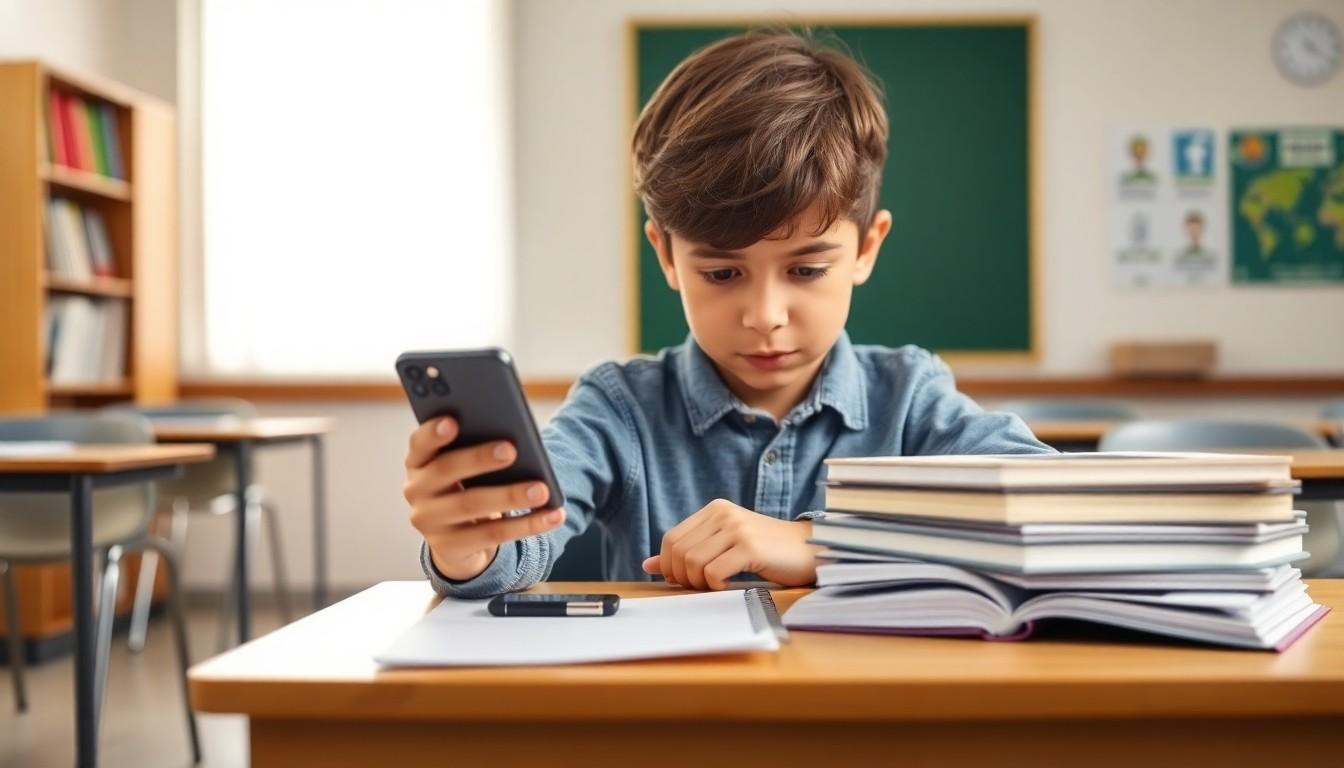

Research from the University of Milano-Bicocca reveals that children starting social media at age 11 or 12 tend to perform worse in certain school subjects than those who delay until age 14, raising concerns about digital exposure and academic outcomes.
A study from the University of Milano-Bicocca has found that children who begin using social media at 11 or 12 tend to do worse in some school subjects than those who wait until at least 14, adding to concerns about the academic effects of early digital exposure. The research, published in Nature Human Behaviour, analysed questionnaire responses on social media habits alongside test results from more than 5,000 Italian students, according to Haberturk. The university said the wider EYES UP project examined the impact of early smartphone and social media use on school performance.
The findings suggest the strongest effects were seen in Italian and mathematics, while English scores were not significantly affected. Researchers said that may be because much of the text and dialogue on social platforms is in English, giving pupils extra informal practice. According to the university’s presentation of the study, the analysis covered 6,609 students in Lombardy and was carried out with the University of Brescia, the Sloworking Association and the Socialis Research Centre, with support from the Cariplo Foundation.
Marco Gui, one of the study’s authors, said the issue is more complex than a simple question of screen time, but added: “Araştırmamız, en azından ergenlik öncesi dönemde sosyal medya kullanımının sorunlu olduğunu gösteriyor.” The study also builds on earlier research suggesting that the relationship between digital technology and adolescent well-being may be modest overall, but that particular patterns of use can still matter for learning and development.
The broader concern, according to ANSA’s reporting on the same research, is that smartphone use has become deeply embedded in daily routines for many teenagers, with more than half of students checking their phones soon after waking and a sizeable minority using them during the night. That, researchers say, can affect sleep and concentration, which may help explain why early access to social media appears to be linked to weaker academic outcomes in some subjects.
Disclaimer: This content is for informational purposes only and is not intended to be a substitute for professional medical judgment, advice, diagnosis, or treatment.