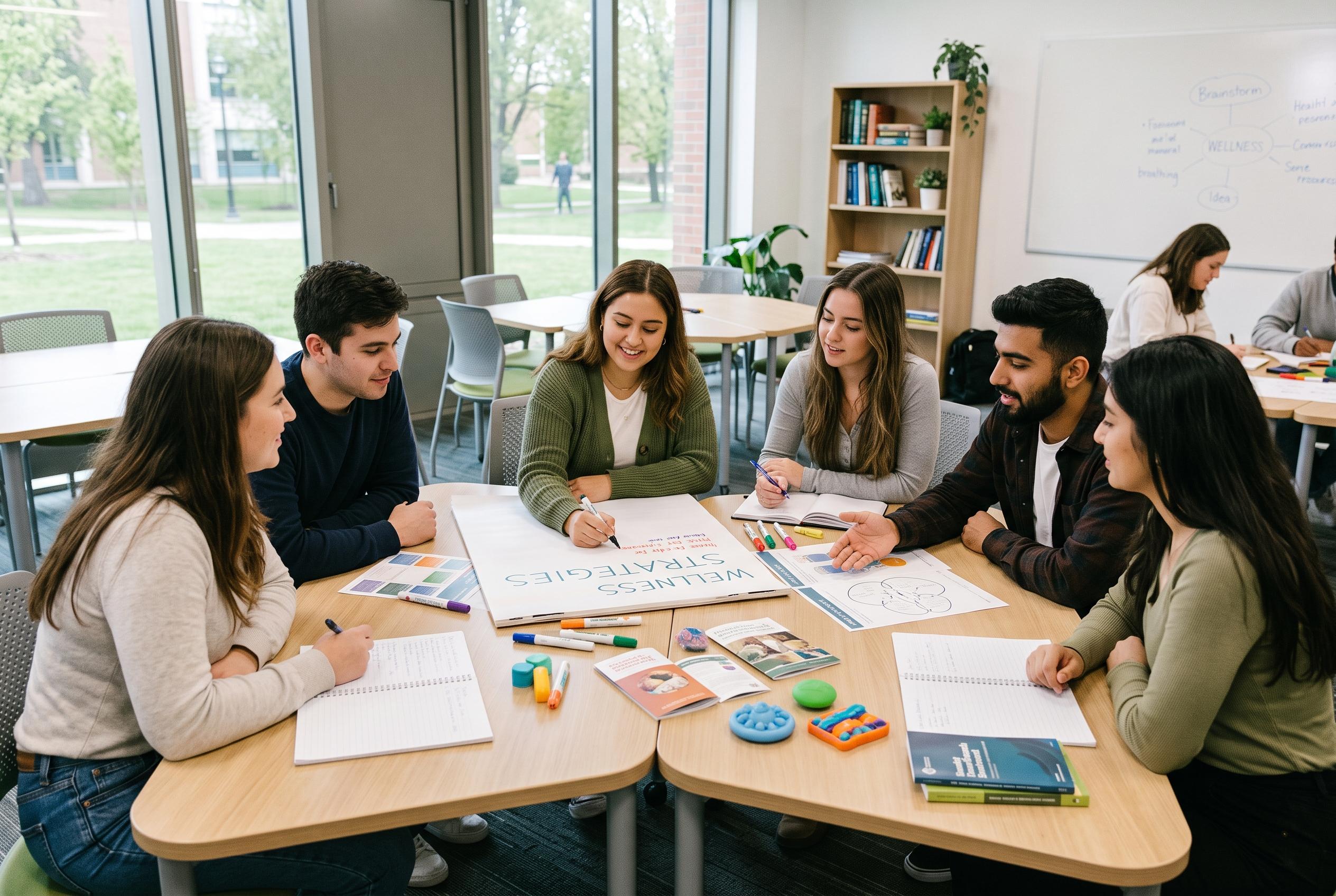

As pressures mount on students from exams, social media, and family expectations, experts argue that schools must expand their role to support emotional resilience and mental health, fostering confident and compassionate individuals.
Mental health is too often treated as a private worry rather than a core part of education, but that approach leaves too many students struggling in silence. In his essay for Kashmir Reader, Mohd Abass Dar argues that schools and colleges must do more than drive examination results and career outcomes; they must also help young people build resilience, confidence and emotional stability.
That concern is not abstract. Dar describes the quiet pressure many students face: the fear of failure, the burden of family expectations, the strain of constant comparison on social media and the reluctance to admit when life feels overwhelming. Those pressures can be hard to spot because students may continue to attend classes, submit work and appear outwardly fine while dealing with anxiety, loneliness or hopelessness. In a school environment, that invisibility can allow distress to deepen unchecked.
Public health guidance supports the call for a broader view of education. The Centers for Disease Control and Prevention says schools can strengthen student well-being through six in-school strategies, including a positive school climate, social and emotional learning and mental health education. The agency also says classroom-based mental health teaching can improve mental health literacy by helping students recognise symptoms, understand treatment and challenge stigma, making it more likely they will seek help when needed.
Dar places particular emphasis on examination stress, arguing that for some students tests become a judgement on their worth rather than a measure of learning. He also points to the role of parents, noting that encouragement can easily become pressure when children feel their value depends on marks and ranks. The message is simple but important: academic effort matters, but it should not be the only measure of a young person’s dignity.
The solution, Dar suggests, must involve schools, families and communities working together. Teachers need to notice changes in behaviour, counsellors need to be available, and students need practical habits that protect mental health, from sleep and exercise to better time management and healthier use of phones. The broader lesson is that education succeeds not only when students perform well, but when it helps them grow into people who can cope with difficulty, show compassion and move forward with confidence.
Disclaimer: This content is for informational purposes only and is not intended to be a substitute for professional medical judgment, advice, diagnosis, or treatment.