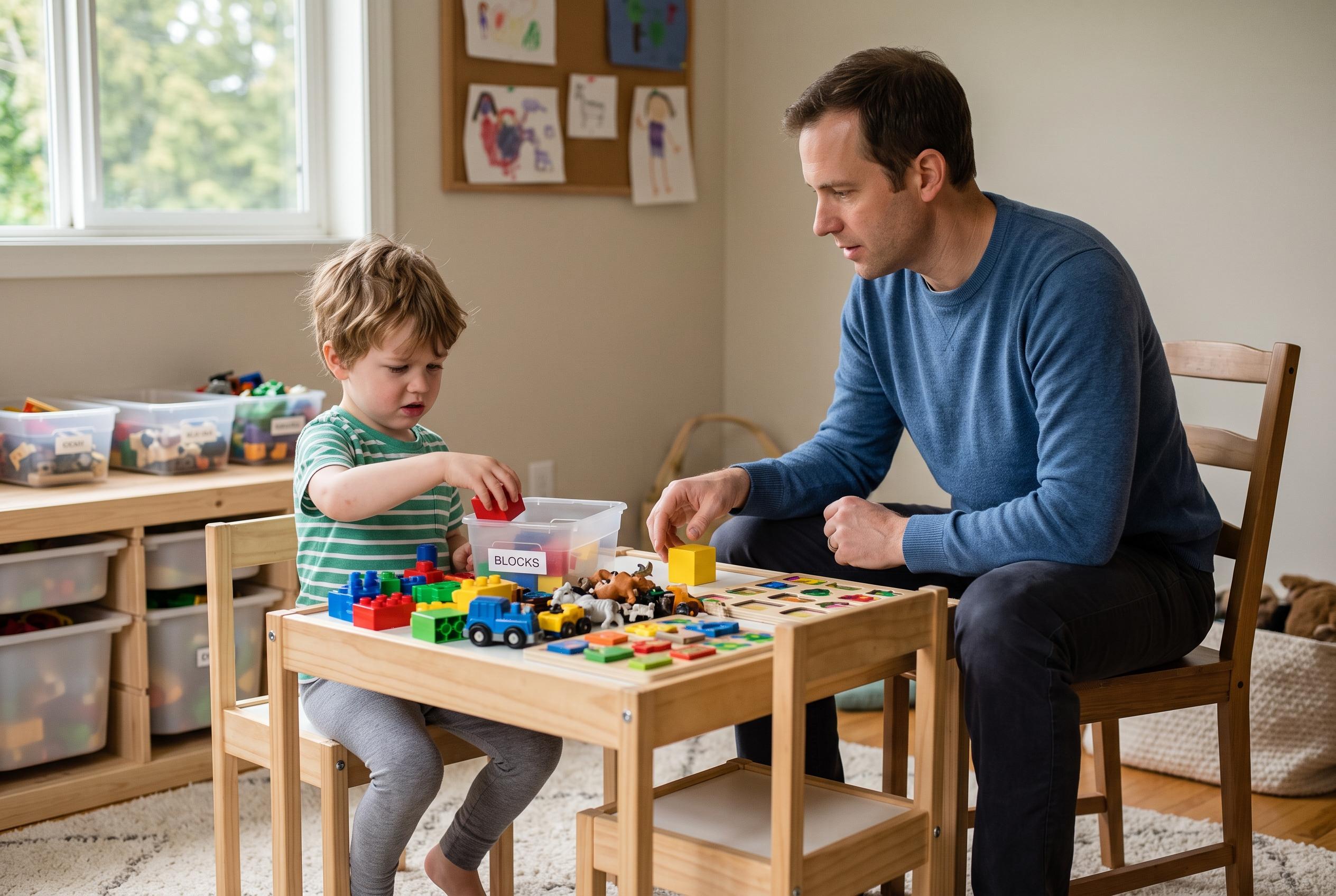

Rather than viewing difficult behaviour as misconduct, new research suggests it often signals that a child’s executive functions, such as impulse control, memory, and flexibility, are still developing. Understanding this shift can transform parental responses and support skill-building efforts.
Life with a boy who seems permanently one step off course can leave parents feeling exhausted and blamed. He is late getting dressed, forgets what he was told, lies over homework, loses belongings and erupts over small setbacks. From the outside, that can look like rudeness or refusal. But according to Psychology Today, a different explanation is often more accurate: the child may not be choosing defiance so much as struggling with skills he does not yet have.
That idea draws on the work of psychologist Ross Greene, who argues that challenging behaviour tends to appear when demands outstrip a child’s capacity to cope. In this view, a simple request such as starting homework is not simple at all. It requires a child to stop what he is doing, understand the instruction, regulate his feelings and shift his attention. When those steps become too much, the result can be what looks like resistance but is really overwhelm.
The key skills are executive functions, the mental processes that help people manage behaviour rather than react on autopilot. Psychological research describes three core elements: inhibitory control, working memory and cognitive flexibility. Inhibitory control is the ability to pause before acting. Working memory allows a child to hold information in mind long enough to use it. Cognitive flexibility helps him change course when circumstances shift or a plan stops working.
Seen through that lens, many everyday flashpoints take on a different meaning. Interrupting, blurting, forgetting instructions, losing track of belongings, failing to hand in work on time or melting down when plans change may all reflect lagging executive function rather than deliberate misconduct. Psychology Today argues that such children are often not lacking motivation; they are lacking the internal tools needed to meet the moment.
That shift in perspective matters because it changes the parental response. Greene’s approach, echoed by advocacy groups that work with children who have learning differences, favours identifying the problem the child cannot yet solve and working through it collaboratively rather than treating the behaviour as manipulation. Research on executive function also suggests that these skills can be strengthened over time through repeated, appropriately challenging practice, while stress, loneliness and poor health can make them harder to use. The practical question, then, is less “Why won’t he?” than “What is this situation asking of him that he cannot yet do?” Answering that honestly can help parents lower conflict, adjust expectations and build the missing skill instead of trying to break what looks like stubbornness.
Disclaimer: This content is for informational purposes only and is not intended to be a substitute for professional medical judgment, advice, diagnosis, or treatment.