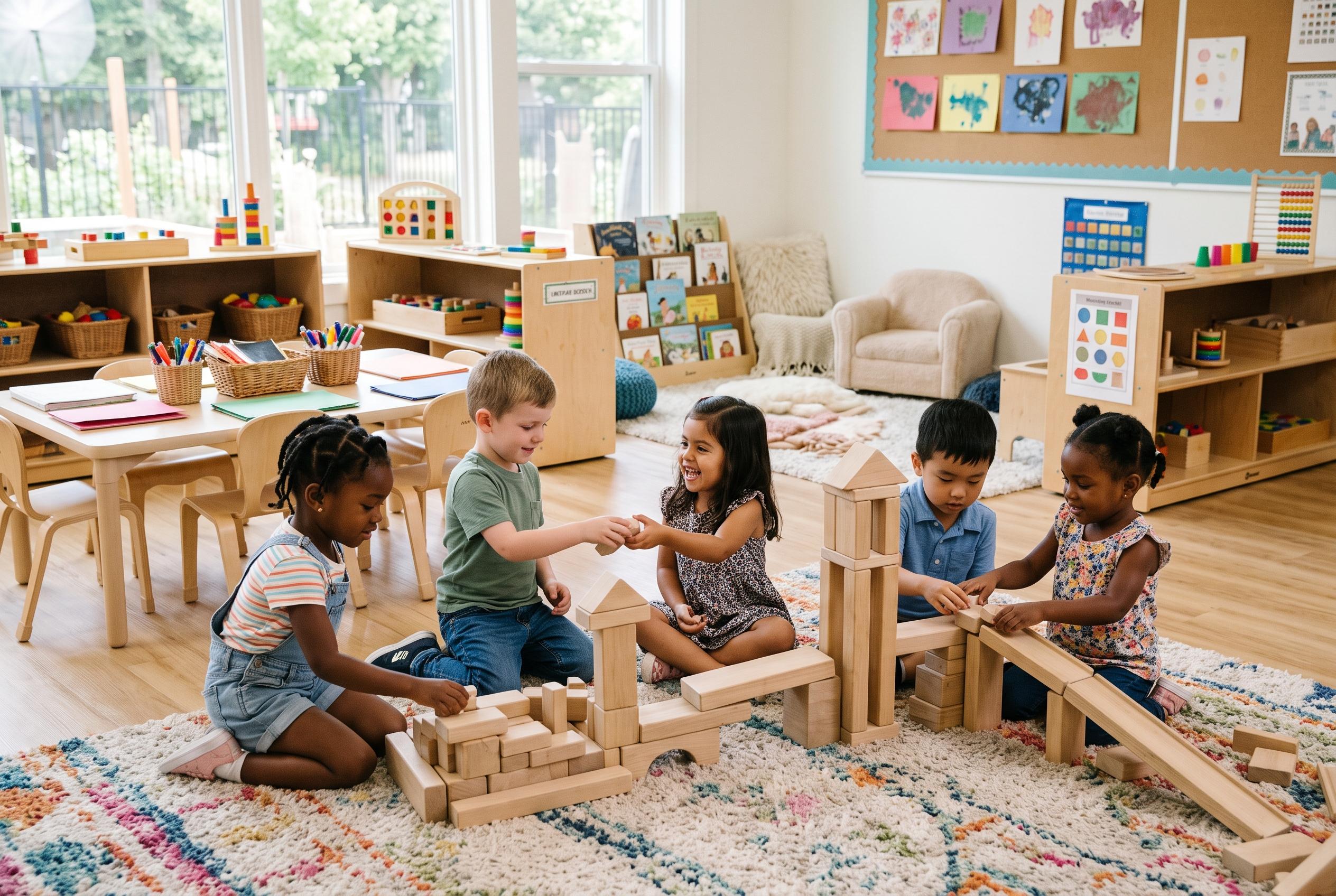

Emerging studies highlight that high-quality early childhood education not only prepares children for school but also fosters vital social and emotional abilities that support long-term mental health, resilience, and peer relationships.
Quality childcare does more than fill a day with activities. According to the material provided by Bullocks Buzz and corroborating analysis from childcare and early-learning sources, it also gives young children repeated chances to practise how to get along with others, manage frustration and build trust in the adults around them. Those lessons are often woven into ordinary moments: sharing materials, joining a game or recovering when play does not go as planned.
Researchers and policy groups say those daily interactions matter because social and emotional development is not automatic. Children learn to take turns, read cues from peers and cope with disappointment through repeated experience in a setting that is calm, predictable and attentive. The National Conference of State Legislatures says warm, responsive care and low staff-to-child ratios can strengthen these skills, while other early-childhood sources describe co-regulation from caregivers as a foundation for later self-regulation.
That is why classroom routines can have an outsized effect. A child who is helped to name a feeling after a dispute, or given time to settle before rejoining a group, is learning more than behaviour management. The child is building the ability to recover from setbacks, express needs clearly and remain part of a shared activity. Over time, those small gains can add up to greater confidence and independence.
The broader research base suggests the benefits may extend well beyond preschool years. A 2022 study published in Frontiers in Psychology found that high-quality early childhood education and care is linked with better social-emotional outcomes, with process quality , the day-to-day interactions between adults and children , playing a central role. Other summaries point to long-term gains in mental health, school adjustment and resilience, especially for children facing stress at home or in their communities.
That helps explain why parents often notice the change only in retrospect. The milestone may be subtle: a child introducing themselves without prompting, inviting a peer into play or calmly explaining why something feels unfair. But those moments signal something important. In a good childcare setting, children are not only preparing for school; they are learning how to live alongside other people.
Disclaimer: This content is for informational purposes only and is not intended to be a substitute for professional medical judgment, advice, diagnosis, or treatment.