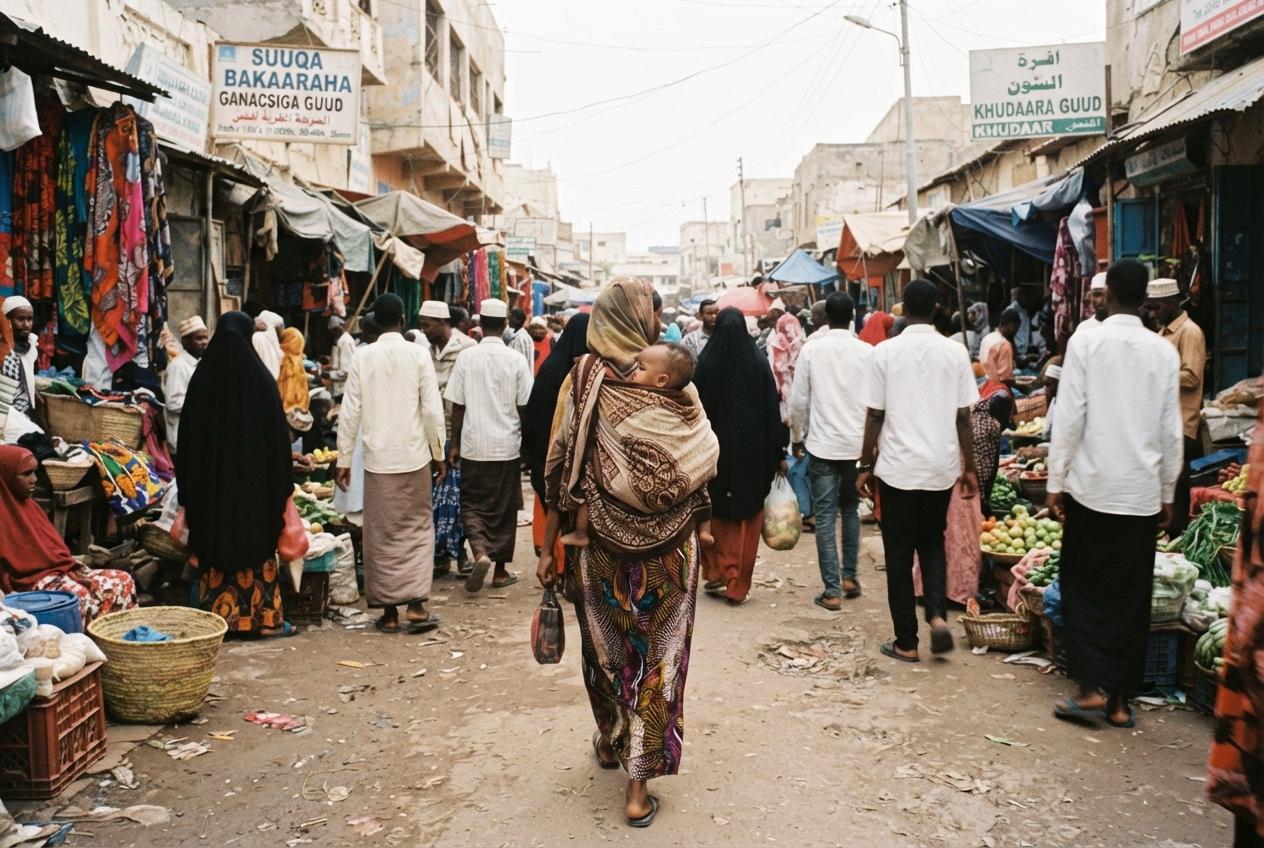

Somalia has launched new national rules on breast-milk substitutes during World Breastfeeding Week 2026, aiming to strengthen breastfeeding protections and curb formula marketing, amid ongoing efforts by WHO, UNICEF, and government agencies.
Somalia has signed and launched new national rules on breast-milk substitutes in a move aimed at tightening control over formula marketing and strengthening support for breastfeeding, according to Xinhua. The launch took place in Mogadishu during the opening of World Breastfeeding Week 2026, which runs from 1 to 7 August under the theme “Breastfeeding for a Sustainable Start in Life: Strengthen What Works”.
Health and human services minister Ali Haji Adam said breastfeeding is among the most effective ways to help children survive, grow and thrive, and described the regulations as a significant step in protecting every child’s right to the best possible start in life. WHO representative to Somalia Kamil Mohamed said the agency would continue backing evidence-based policies and stronger health systems, while UNICEF representative Sandra Lattouf said the rules were an important advance for protecting breastfeeding and the immunity it provides to young children.
The new framework lands against a backdrop of continued gaps in infant feeding practices. UNICEF Somalia said in August 2025 that 60% of Somali babies are breastfed within the first hour after birth, but only 33% are exclusively breastfed for the first six months. The agency has repeatedly urged stronger government and community support, warning that breastfeeding remains vulnerable to commercial pressure and that policy protection is essential to improve child nutrition.
The latest move also builds on earlier calls from the Government of Somalia, UNICEF and WHO to create breastfeeding-friendly environments in health facilities, workplaces, internally displaced persons camps and communities. In previous World Breastfeeding Week campaigns, the partners stressed the importance of early initiation, exclusive breastfeeding for six months and continued breastfeeding up to two years, arguing that better support for mothers is central to child survival and development.
Disclaimer: This content is for informational purposes only and is not intended to be a substitute for professional medical judgment, advice, diagnosis, or treatment.