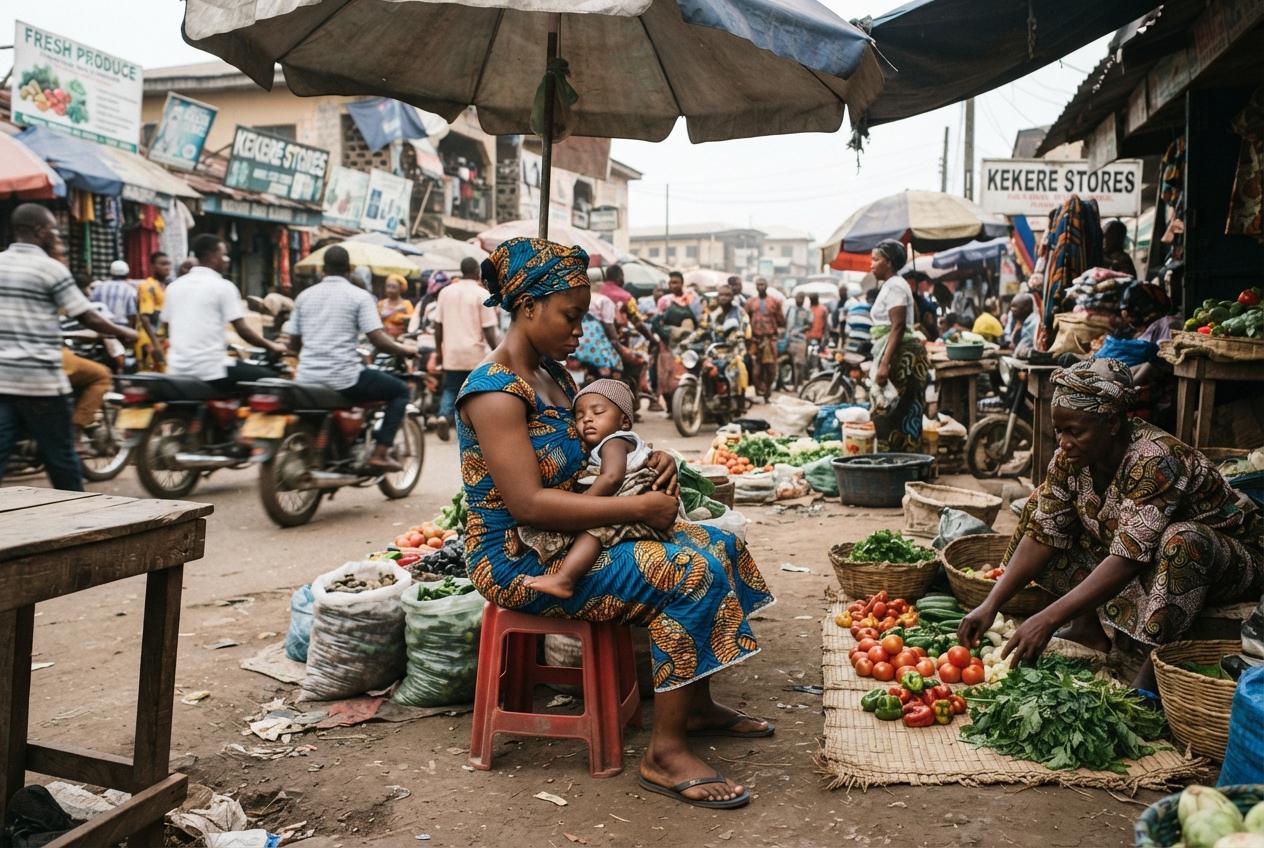

As Nigeria’s exclusive breastfeeding rates remain critically low, UNICEF calls on the government, employers, and families to provide the practical support needed to improve infant nutrition and survival during World Breastfeeding Week.
UNICEF has renewed pressure on Nigerian employers, health workers and families to do more to support breastfeeding mothers, warning that millions of babies are still missing out on practices that can significantly improve survival, nutrition and development.
Marking World Breastfeeding Week, Celine Lafoucriere, the agency’s chief field officer in Lagos, said the problem is not a lack of awareness among mothers, but the absence of practical support around them. She pointed to national survey data showing that although more than 90% of Nigerian mothers breastfeed in some form, just 29% of infants are exclusively breastfed for the first six months, while early breastfeeding initiation has fallen from 42% in 2018 to 36% in 2023.
UNICEF said the figures amount to a worrying gap between intention and practice. Only 23% of babies are breastfed for the recommended two years, and just 12 of Nigeria’s 36 states and the Federal Capital Territory offer up to six months of paid maternity leave. The agency has argued in previous campaigns that breastfeeding support must extend beyond mothers themselves and into homes, hospitals and workplaces if the country is to improve child health outcomes.
Lafoucriere described breastmilk as a child’s first vaccine, saying it protects against illness, supports brain development and gives infants the best possible start in life at no cost. She said employers should provide time and space for breastfeeding, health workers should ensure babies are put to the breast within the first hour after birth, and families should avoid undermining mothers with pressure or doubts. UNICEF has made similar appeals in past years, including calls for stronger workplace support and equal access to breastfeeding help across Nigeria.
The appeal comes during World Breastfeeding Week, observed each year from 1 to 7 August, which UNICEF says is meant to reinforce breastfeeding as a foundation of child survival and healthy development. The agency says improving the practice is essential not only for infants’ immediate wellbeing, but also for reducing illness and giving Nigerian children a stronger long-term start.
Disclaimer: This content is for informational purposes only and is not intended to be a substitute for professional medical judgment, advice, diagnosis, or treatment.