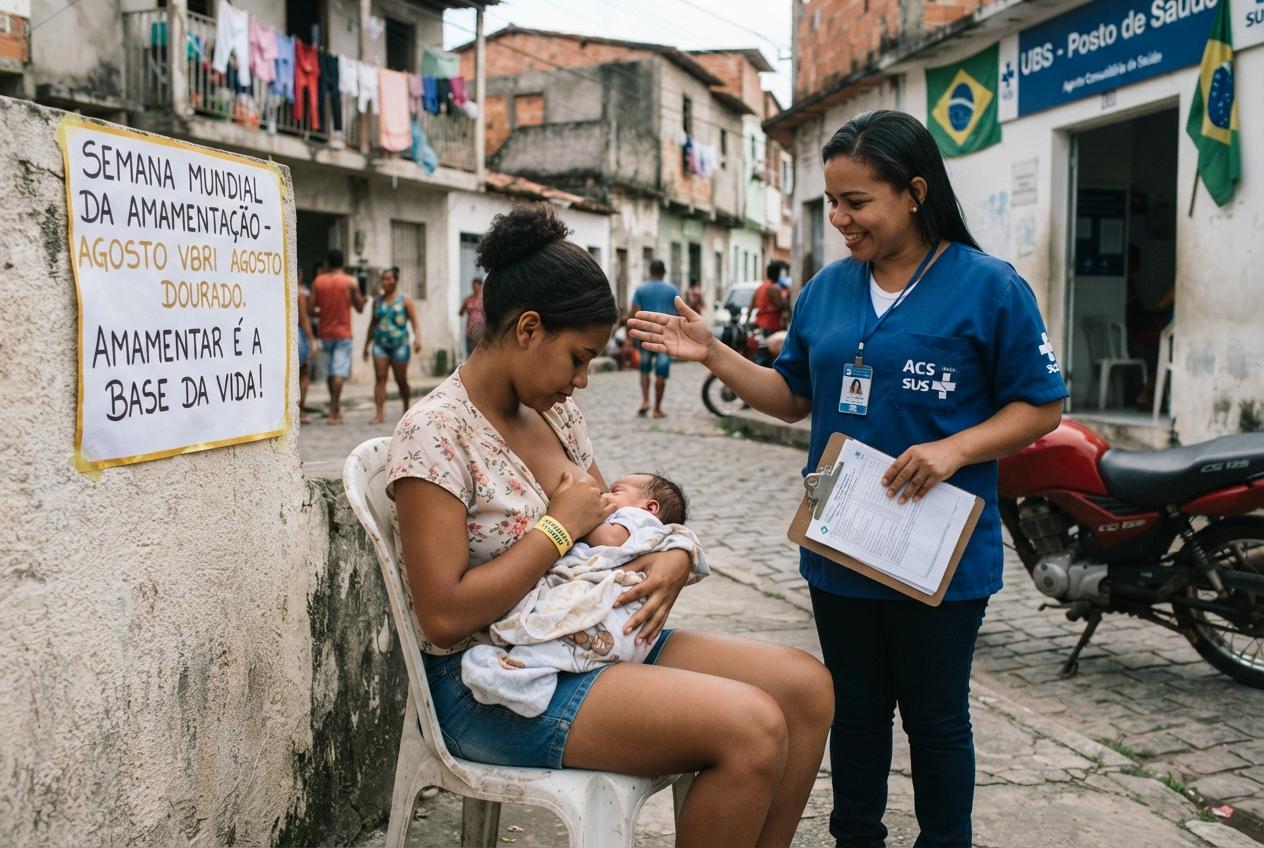

During World Breastfeeding Week, health officials emphasise the importance of stronger public policies and community support to overcome challenges faced by new mothers in breastfeeding, highlighting the practice’s critical benefits for infant and maternal health.
During World Breastfeeding Week, the director of the Maternal and Neonatal Hospital in Posadas, Hugo Ocampo, has called for stronger public policy and more consistent support for mothers, arguing that breastfeeding remains one of the most effective low-cost interventions for infant development and maternal health. He said the campaign, backed by the World Health Organization and UNICEF, is intended not only to promote breastfeeding but also to underline the need for families, health services and employers to help women sustain it.
Ocampo said this year’s slogan, “Support what works”, reflects the reality that many women struggle to continue breastfeeding because of pressure at home, in society and at work. The WHO says exclusive breastfeeding should begin within the first hour after birth and continue for the first six months, with no other foods or liquids, not even water. UNICEF adds that early skin-to-skin contact helps newborns stay warm, strengthens immunity and supports the mother-baby bond, while colostrum provides antibodies that help protect against disease.
The WHO also reports that fewer than half of babies under six months are exclusively breastfed, despite the practice’s well-established benefits. Breast milk supplies all the energy and nutrients an infant needs in the early months and continues to make a major contribution to nutrition after complementary foods are introduced at six months. The agency says breastfed children tend to perform better in intelligence tests, face a lower risk of obesity and diabetes later in life, and women who breastfeed have a reduced risk of breast and ovarian cancers.
Ocampo also warned against common myths that can undermine mothers’ confidence, including the idea that breast milk loses its value after the first few months. Johns Hopkins Medicine says there is no proof that so-called breastfeeding foods reliably increase milk production, while the WHO recommends on-demand feeding, day and night, and avoiding bottles, teats and pacifiers when exclusive breastfeeding is being established. For Ocampo, the main challenge is not the science, but ensuring women receive practical support in the first days after birth, when poor technique can lead to pain, cracks and early abandonment.
Disclaimer: This content is for informational purposes only and is not intended to be a substitute for professional medical judgment, advice, diagnosis, or treatment.