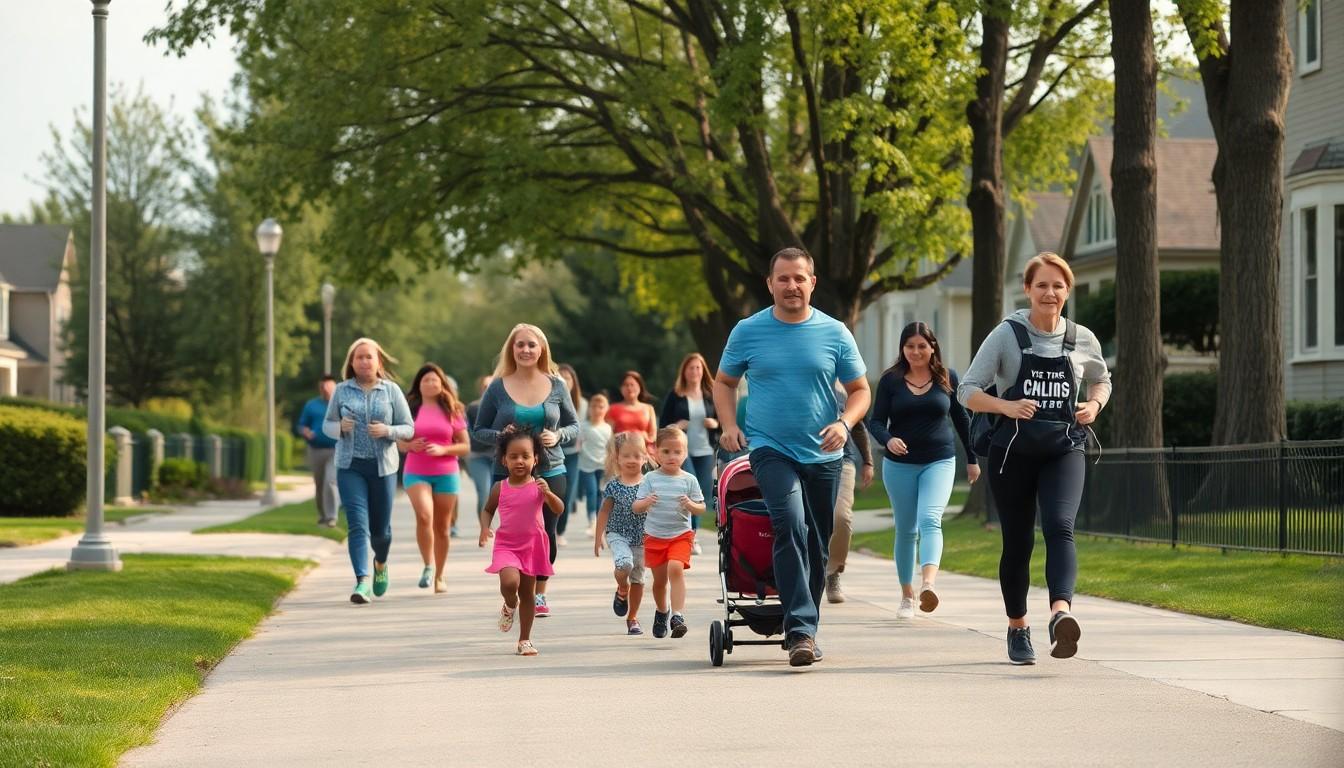

As part of National Exercise with Your Child Week, families are encouraged to adopt varied and enjoyable routines to promote lifelong healthy habits, with practical tips from health experts on making movement fun and sustainable.
National Exercise with Your Child Week, marked in the first week of August, is designed to nudge families away from screens and into movement together. The idea is straightforward: shared activity can ease the return-to-school build-up, reduce tension, and turn exercise into something children see as normal rather than chore-like. Health guidance from Cleveland Clinic and Healthy Children both stress that regular movement can support children’s confidence, focus, sleep and overall wellbeing, while also helping adults model healthy habits.
The strongest advice across family-health resources is to keep activity varied and enjoyable. NDTV’s health guide recommends family yoga, cycling, dance sessions, outdoor games and bodyweight work, while Children’s Colorado suggests short workouts, dance parties and quick yoga flows as practical ways to bring children into a routine. The common thread is consistency: when parents make movement part of ordinary family life, children are more likely to stick with it.
That approach also fits the broader guidance from the US Reps blog on National Exercise with Your Child Week, which notes that parents and caregivers are central in modelling physical activity and making it appealing rather than restrictive. Cleveland Clinic similarly points to age-appropriate choices, from walking, dancing and water play for younger children to jump rope, yoga and scooter riding for older ones. The aim is not perfection, but regular, age-fitting activity that feels safe and fun.
Practical family routines can be simple. Kaiser Permanente advises parents to plan one or two shared activities each week, keep an activity log and choose easy options such as a walk when schedules are tight. Healthy Children recommends that school-aged children get 60 minutes or more of moderate to vigorous activity a day, while positive reinforcement and visible enthusiasm from adults can help shape how children feel about exercise.
In practice, that might mean a family walk, a dance session in the garden, a scooter ride, a stretch routine or a brief yoga sequence before dinner. For some households, it may also mean music, matching shirts, themed games or a simple reward chart to keep children engaged. However it is structured, the point is the same: the week is less about a one-off event than about building a habit that can continue once or twice a month, and ideally much more often.
Disclaimer: This content is for informational purposes only and is not intended to be a substitute for professional medical judgment, advice, diagnosis, or treatment.