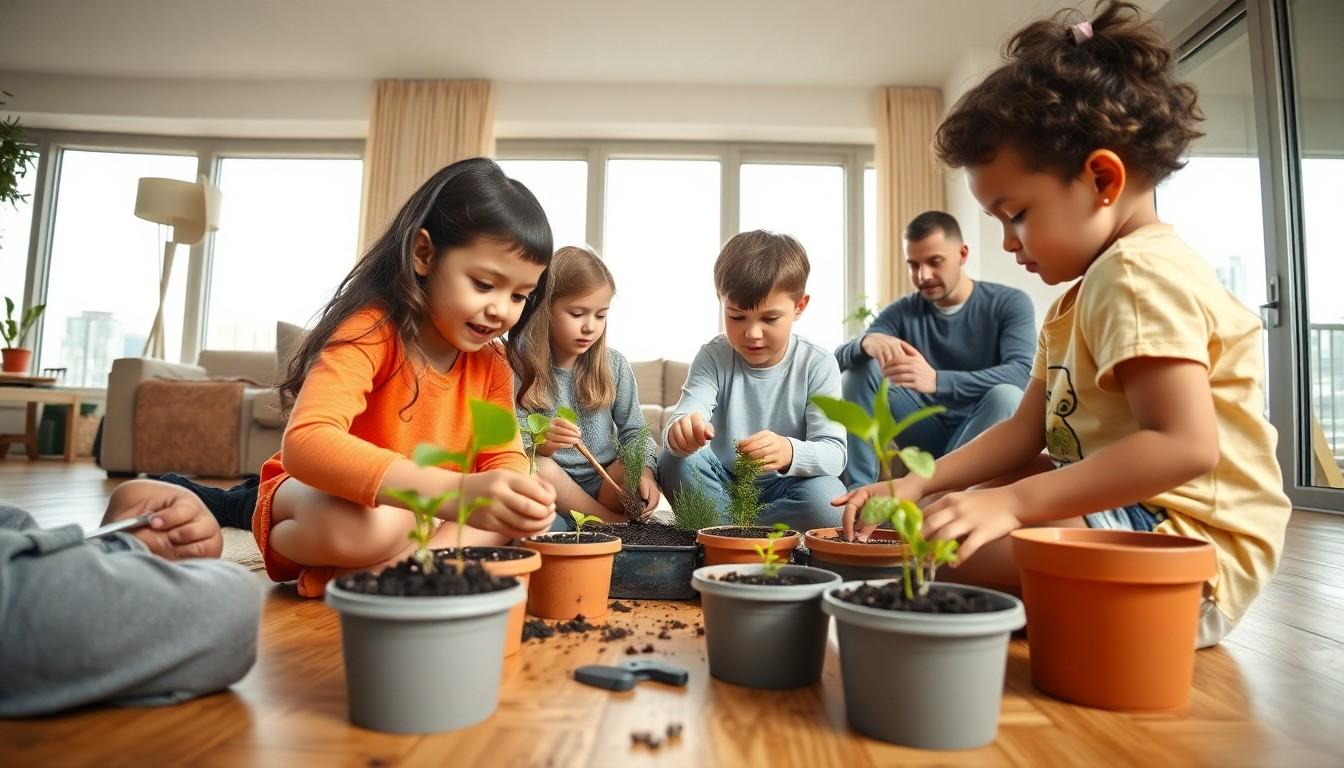

Simple, cost-effective indoor activities rooted in nature can transform children’s hands-on learning and creativity, even in urban homes with limited outdoor contact.
Bringing nature indoors can be a simple way to give children hands-on learning, especially for families living in towns and cities where daily contact with the outdoors may be limited. The core idea, as outlined by BilgiliKus, is to turn ordinary household materials into playful encounters with plants, textures and natural processes, while also strengthening family time. Other family-focused guides have made a similar case for low-cost indoor activities that build creativity and imagination without relying on screens.
One of the most effective starting points is home gardening. Children can watch seeds sprout in small pots, reuse yoghurt tubs or plastic bottles as planters, and learn which plants thrive in which seasons by making a simple wall chart. These activities combine responsibility with curiosity, and they give children a clearer sense of how living things grow. BilgiliKus also suggests keeping a visual record with drawings or photographs, which turns the project into a long-running science lesson.
Sensory play is another strong theme. A box filled with leaves, stones, cones, shells and twigs can become a nature treasure chest, inviting children to touch, smell and describe what they find. Leaf-print art and sensory bins made with soil, pebbles, flowers and water add another layer, helping children notice texture, colour and scent. Related activity round-ups have also highlighted recycled craft, modelling and role play as useful ways to keep children engaged indoors while supporting fine motor skills and creative thinking.
The article also encourages simple science experiments at home. Sprouting beans in cotton wool, building a basic model of the water cycle with a bowl, cling film and a stone, and observing ants in a carefully managed habitat all give children an early look at scientific observation. These projects work best when adults guide the process and explain what children are seeing, especially in the case of living creatures. That emphasis on supervision is echoed in other home-activity guides, which stress that simple materials can still require close adult oversight.
Creative work can extend the lesson further. Natural dyes made from beetroot, spinach, carrots or berries offer an introduction to colour mixing, while pine cones, stones and other found objects can be transformed into small characters or decorations. Similar activity lists from other publications include T-shirt painting, homemade play dough, puppets and cardboard constructions, showing how children’s crafts can move easily between nature, art and imaginative play.
What makes these ideas appealing is their flexibility. They do not depend on special equipment, expensive materials or perfect weather. They can also be adapted to the kitchen, the balcony or a corner of the living room, and they can be paired with healthy cooking projects, such as simple vegetable-based snacks or colourful homemade meals, to add another practical layer of learning. Taken together, these activities offer children a chance to explore, make, ask questions and build confidence , all from home.
Disclaimer: This content is for informational purposes only and is not intended to be a substitute for professional medical judgment, advice, diagnosis, or treatment.