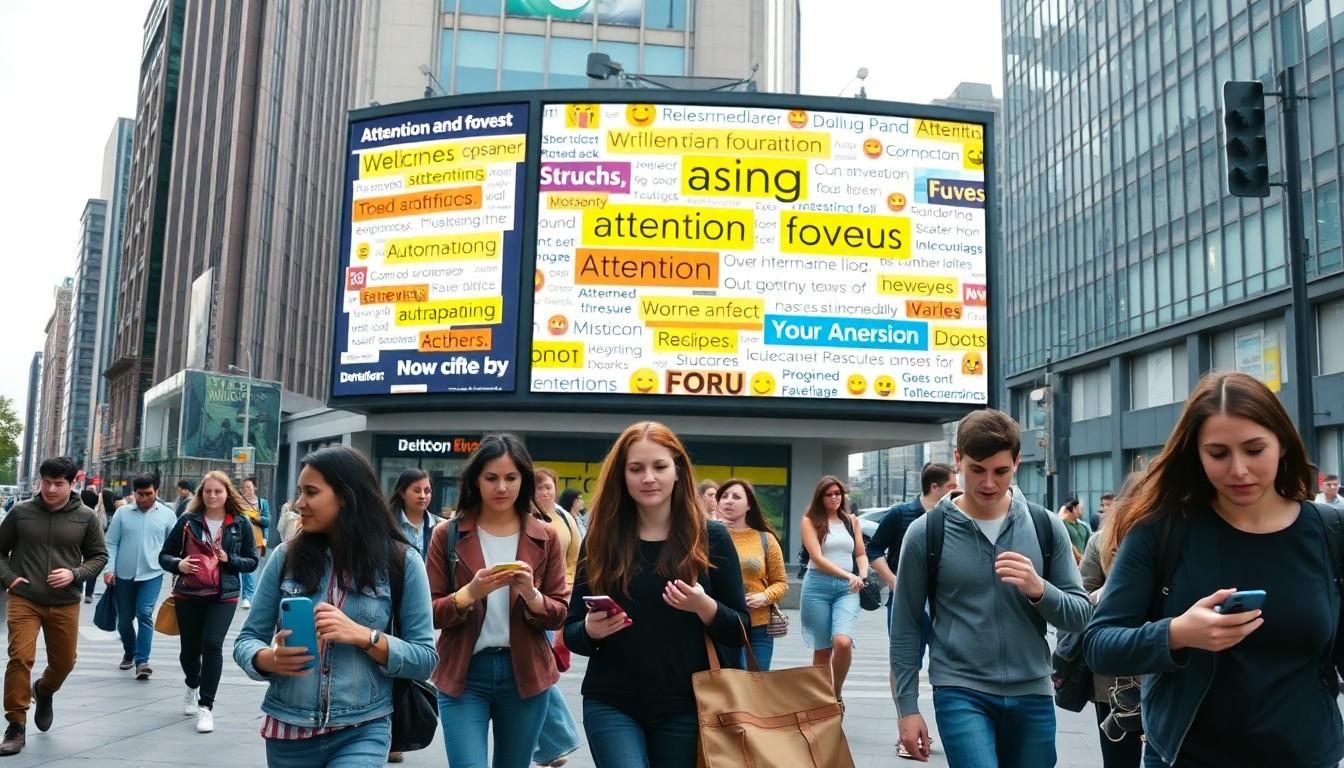

TikTok has popularised a flexible and often misleading portrayal of ADHD, risking misdiagnosis and oversimplification amid a commercialised content landscape that rewards clickability over accuracy.
TikTok has turned ADHD into one of the internet’s most elastic labels, applied to everything from procrastination and overwhelm to emotional sensitivity and endless scrolling. The appeal is obvious: short-form videos offer a language for people who feel unseen, and they can make private struggles seem recognisable and shared. But the same platform that gives users a sense of belonging also encourages them to flatten complex experience into a ready-made identity, often with little regard for whether the content is clinically sound.
That problem is not just theoretical. Research on TikTok ADHD content has repeatedly found that misinformation is widespread, with one study of 98 popular videos saying 89% contained misleading material and that only a small minority were posted by healthcare professionals. Another analysis published in PLOS One found that only about half of the claims made in widely viewed ADHD videos were accurate, while many creators either did not disclose credentials or had financial incentives tied to the content. Studies archived in PubMed Central have also found that a large share of ADHD videos are personal anecdotes rather than useful medical guidance.
The attraction of this material lies in its tone as much as its content. Humour, performance and relatability make it easy to consume and easy to share, but they also make it easier for overstatements to pass as expertise. A video that is entertaining, emotionally resonant or commercially polished can look persuasive even when it oversimplifies symptoms or treats common behaviour as proof of disorder. That can encourage false self-diagnosis, while also pushing viewers towards quizzes, workbooks, coaching services or telehealth products that promise quick answers.
Psychology Today’s piece argues that ADHD is increasingly being framed online as a mood, a personality type or even a kind of consumer identity. That is part of a broader trend in which platforms reward categories that are sticky, clickable and commercially useful. The result is not merely bad information, but a narrowed way of thinking about distress: one that encourages people to interpret ordinary frustration, stress or difference through a diagnostic lens before considering context, circumstance or temperament.
None of this means diagnosis is unimportant. For many people, it is the route to treatment, support and relief, and it can offer a language for experiences that have long felt confusing or shameful. The problem is when diagnosis becomes a substitute for understanding rather than a tool for it. Social media can be a useful point of entry, but the evidence suggests it is a poor place to stop.
Disclaimer: This content is for informational purposes only and is not intended to be a substitute for professional medical judgment, advice, diagnosis, or treatment.