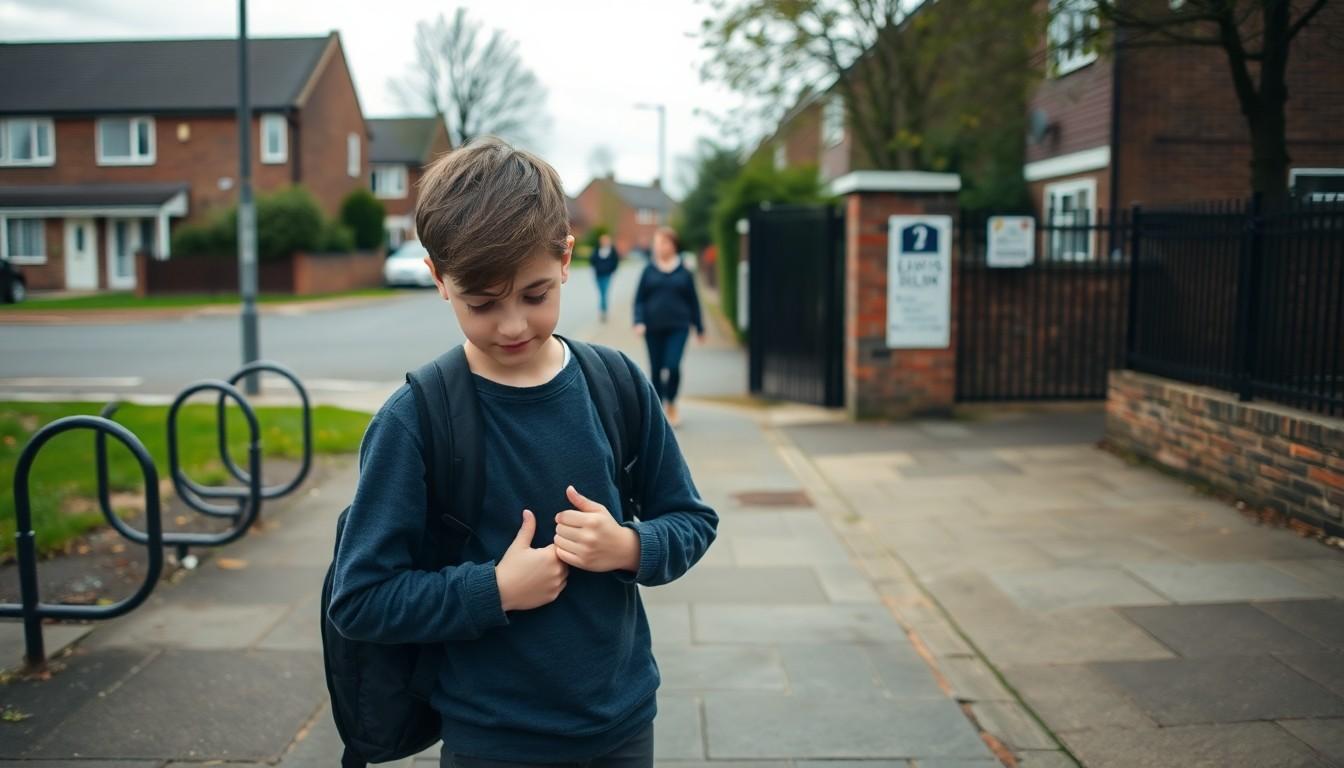

As school refusal becomes more visible post-pandemic, experts emphasise the importance of understanding underlying anxiety and adopting supportive strategies to help children return to school with confidence.
When a child digs in their heels at the school gate, the refusal is often less about naughtiness than distress. Across the United States, families face the same fraught morning scene: shoes half-on, backpack ready, and a child suddenly in tears, complaining of a stomachache or insisting they cannot go. Educators and child mental health groups say that, since the upheaval of the pandemic era, attendance problems have become more visible, with chronic absenteeism still a major concern.
What looks like simple stubbornness can in fact be school refusal, a pattern rooted in anxiety rather than ordinary back-to-school nerves. The Kids Mental Health Foundation says children may show physical symptoms such as headaches or stomachaches, while Tapouts notes that punishment tends to deepen the fear because it treats the outward behaviour rather than the underlying anxiety. Mumsnet likewise says the problem is often tied to bullying, anxiety or learning difficulties, and that a supportive approach usually works better than confrontation.
The reasons can be varied and difficult to spot. Some children fear failure, perfectionism or being called on in class. Others are coping with bullying, social exclusion or a classroom environment that feels unsafe. The Kids Mental Health Foundation says school avoidance can also signal depression, ADHD or undiagnosed learning disabilities, while other children simply lack the words to explain why they feel overwhelmed and instead say only that they hate school.
Transitions can make matters worse. Parenting.org says reluctance to return is often sharper after illness, holidays or long breaks, when routines have slipped and the move back to structure feels abrupt. Sleep deprivation can intensify the strain: younger children generally need nine to 12 hours a night, while teenagers need eight to 10. Too little rest can leave children less able to manage emotions, concentrate or cope with ordinary school demands.
Experts warn that heavy-handed responses can backfire. The child may already feel trapped, and shouting, threats or shame can make school seem even more threatening. Tapouts recommends a warm, steady and gradual return, while Mumsnet says parents should combine empathy with clear expectations. The message should be that the child’s fear is understood, but avoidance cannot become the long-term answer.
That means listening carefully, identifying what part of school feels most difficult and building a practical plan with the school. Small steps can help: restoring bedtime routines, preparing for the next day the night before, limiting late-night screen use and arranging check-ins with a trusted teacher or counsellor. ParentMap says prolonged avoidance can lead to academic setbacks, social isolation and family conflict, so early action matters. The goal is not simply perfect attendance, but helping a child return with enough confidence to stay.
Disclaimer: This content is for informational purposes only and is not intended to be a substitute for professional medical judgment, advice, diagnosis, or treatment.