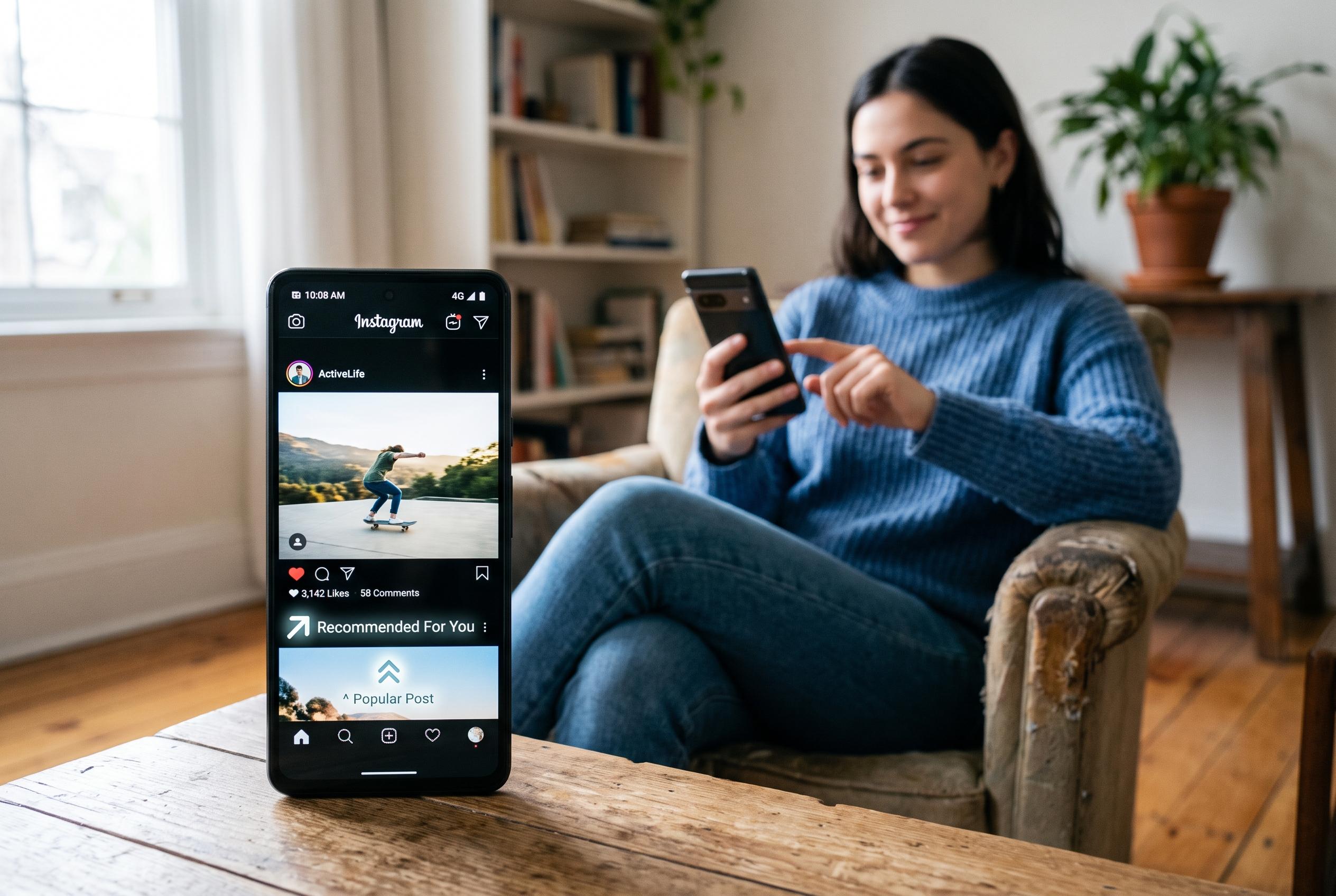

A new perspective on adolescent mental health highlights the importance of platform incentives and system design over merely limiting screen time, urging policymakers and educators to rethink strategies amidst widespread social media use among youth.
Journalists covering youth mental health are often drawn to the same tidy explanation: too much screen time. But a March op-ed in JAMA Pediatrics argues that this framing misses something more important , the incentives built into today’s platforms, where engagement is the product and attention is what gets harvested. That shift matters because it moves the discussion from individual habits to the design of the systems shaping them.
The debate is hardly abstract. A Pew Research Center survey published in April 2025 found that most teenagers say social media helps them feel more connected to friends, yet about 20% believe it harms their mental health. That mix of benefit and harm fits with the U.S. Surgeon General’s 2023 advisory, which said social media use among adolescents is nearly universal and warned that the effects depend on more than time spent online, including the kind of content seen and the nature of online interactions.
That complexity is also why experts caution against treating correlation as causation. A systematic review published in 2023 examined research on adolescents and young adults and found associations between social media use and mental health problems, but it did not settle the question of direct cause. The Surgeon General’s advisory made a similar point, saying there is still no comprehensive safety analysis of social media’s impact on young people and calling for more independent research.
For reporters, that suggests a broader story than whether parents should set stricter limits. The more revealing questions may be how recommendation systems work, what platform features drive compulsive use and how schools, regulators and technology companies are responding. As the Surgeon General noted, use is widespread: up to 95% of people aged 13 to 17 are on social media, and nearly 40% of children aged 8 to 12 use it as well, despite many platforms setting 13 as the minimum age. That makes youth mental health not just a family issue but a public health and policy issue.
Disclaimer: This content is for informational purposes only and is not intended to be a substitute for professional medical judgment, advice, diagnosis, or treatment.