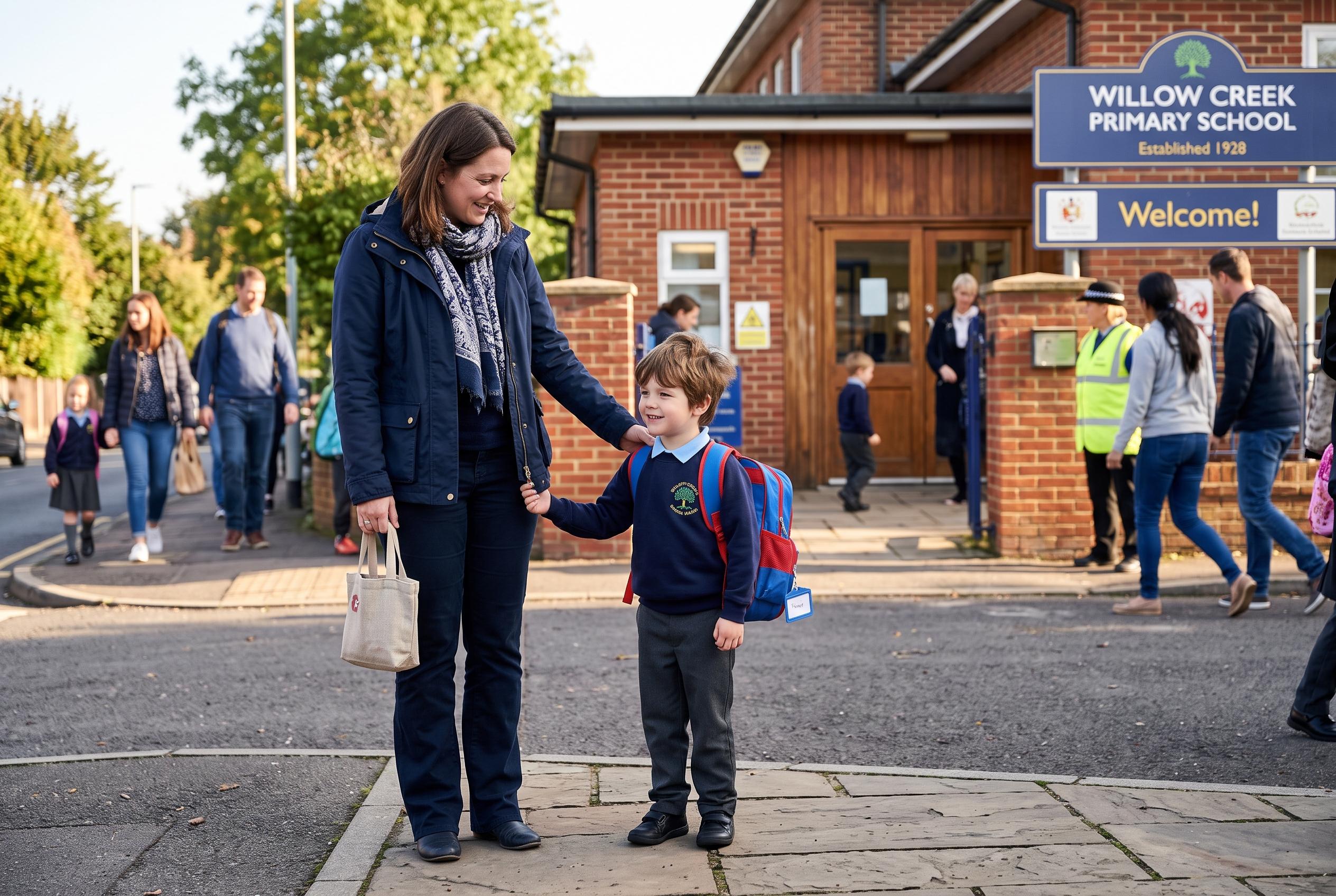

Navigating the first days of primary school involves more than just uniforms and routines. Experts emphasise the importance of emotional support, practical preparation, and open communication to help children feel secure and build confidence during their transition into school life.
Starting primary school can look straightforward from the outside: a uniform, a lunchbox and a photograph at the gate. For many children, though, it is a far bigger shift, involving new adults, unfamiliar routines and a classroom full of strangers. Parents often carry a fresh mental load too, trying to soothe nerves while keeping the day on track.
The aim, experts say, is not to make a child fearless before the first bell. It is to help them feel secure enough to take the first steps, and to give them a few dependable ways to cope when school feels overwhelming. According to guidance from Children’s Health and PBS Parents, children settle more easily when families acknowledge mixed feelings, talk honestly about what to expect and build small routines that make the new environment feel less alien.
Practical preparation can begin well before day one. Visiting the school, practising the route, locating the toilets and drop-off point, and rehearsing the morning routine at home can all reduce the sense of uncertainty. The Astor Education resource on primary school transition recommends building social and communication skills as well, including listening, following simple instructions and coping with short changes in direction.
It also helps to give children language for the trickier moments. A five-year-old may not be able to explain separation anxiety or social uncertainty, but they may show it by refusing breakfast, complaining about their clothes or becoming clingy. GreatSchools and other parent resources advise open-ended questions and calm acknowledgement rather than forcing enthusiasm. Simple scripts such as “Can I play too?” or “I need help, please” can give children something concrete to reach for when they are unsure.
Goodbyes matter too. A predictable handover at the classroom door is usually kinder than a long, emotional negotiation. If a child cries, the advice from paediatric and parenting sources is to recognise the feeling without changing the plan every time. For children with separation anxiety, additional needs or difficult care histories, a more tailored arrangement may be needed, such as an early arrival or a familiar adult to meet them.
The first weeks at school are rarely the moment to discover that nobody packed the PE kit, the breakfast preferences have changed and everyone is already running late. Parenting guidance from PBS recommends resetting family schedules, preparing clothes and bags the night before, and using checklists for younger children. Earlier bedtimes and a lighter after-school timetable can also help, since many children appear fine at school and then unravel once they get home.
After school, better questions tend to work better than broad ones. “What did you do today?” often produces very little, even after a full day of lessons, playtime and new rules. More specific prompts, such as who they sat near or what felt hard, are more likely to open a conversation. If a child says they were left out, experts advise listening first and helping them think about a manageable next step, rather than jumping straight to blame.
Teachers can usually help most when parents share clear, useful information rather than a long stream of anxieties at the gate. A short note about what helps a child settle, any health needs or any current worry is often enough to start a constructive relationship. But repeated distress, school refusal, sleep disruption or physical complaints without a clear cause should not be brushed off as ordinary teething problems. Early support from the school and a health professional can prevent a difficult start becoming a lasting pattern.
School readiness, in other words, is about much more than letters and numbers. Turn-taking, coping with disappointment, asking for help and following a short instruction are just as important as recognising a name or counting to ten. Reading together, board games, baking and ordinary trips to the park can all build those habits in everyday life. The transition to primary school is a process, not a single morning at the gate, and children often need time, reassurance and a borrowed sense of confidence before their own settles in.
Disclaimer: This content is for informational purposes only and is not intended to be a substitute for professional medical judgment, advice, diagnosis, or treatment.