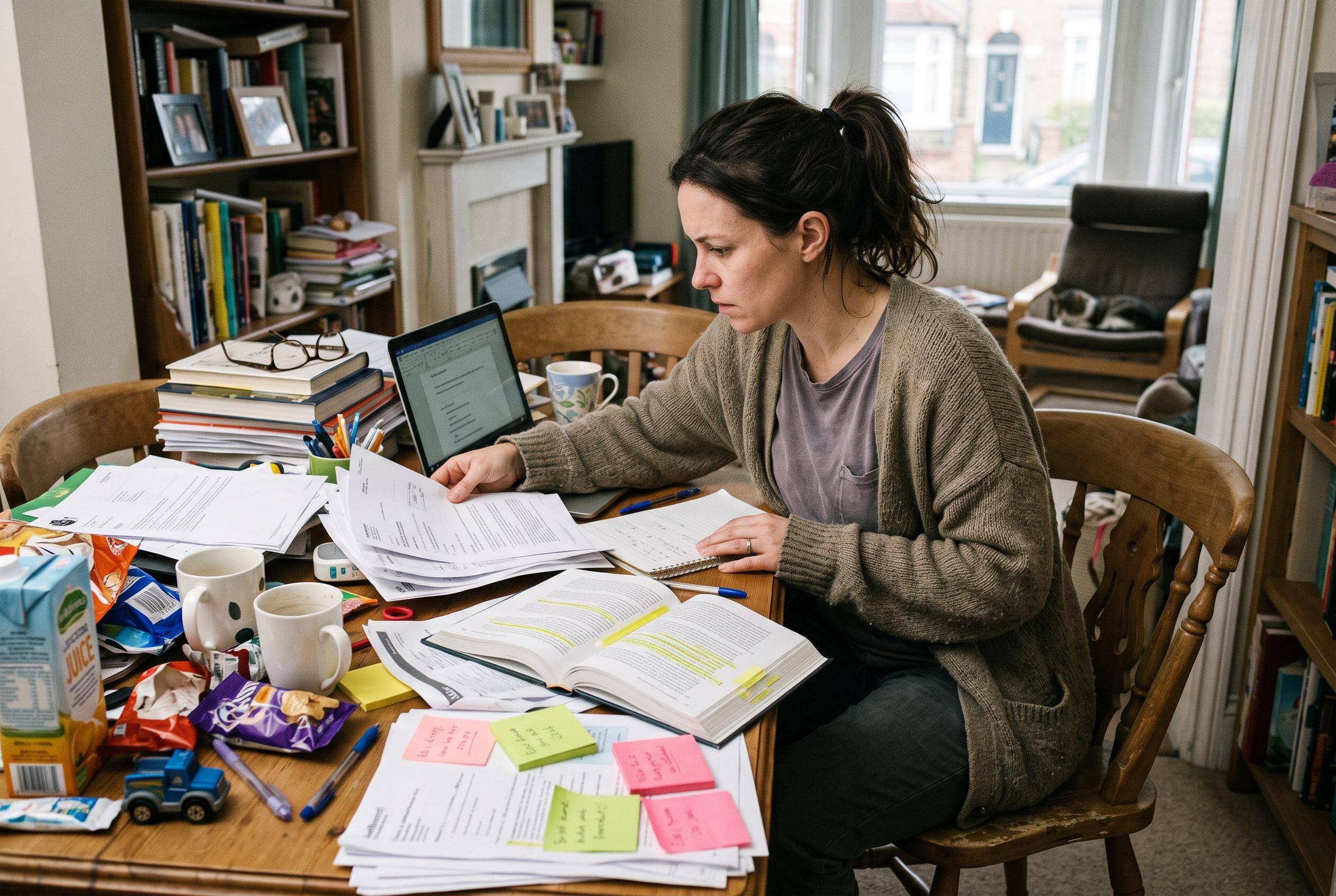

Many women with ADHD remain undiagnosed due to subtle inattentive symptoms and stereotypes, highlighting the need for greater awareness and tailored diagnostic approaches.
For many women, the first signs of attention-deficit/hyperactivity disorder are not obvious disruption or restlessness but a quieter pattern of missed deadlines, forgotten appointments and a persistent sense that everyday life takes more effort than it should. The condition is often identified late because the stereotype of ADHD still centres on highly active boys, even though women are more likely to show inattentive symptoms, emotional overwhelm and disorganisation, according to WebMD and other clinical guides. That mismatch can leave years of struggling mistaken for personal failings rather than a neurodevelopmental disorder.
ADHD affects executive function, the mental processes that help people plan, prioritise, manage time and regulate emotions. The article by Envision ADHD, drawing on a 2026 doctoral dissertation by Selina Jordan, says the delay in diagnosis is not a sign that women have milder symptoms. Instead, it reflects a system that has long been shaped by male-centred research and by behaviours that are easier to notice in classrooms than the quieter difficulties many girls display. Open ADHD and Psychology Today both note that girls are more likely to daydream, lose belongings, forget homework and work hard to hide their struggles.
That concealment is one reason the disorder can remain hidden well into adulthood. Many women build elaborate coping habits: constant note-taking, overpreparing, arriving too early, checking work repeatedly and relying heavily on alarms and calendars. These strategies can make someone look organised from the outside while masking a daily battle with mental fatigue. Grey Matter Psych and ADHD Advisor both describe how masking often delays referral and diagnosis, because the visible evidence of impairment is reduced.
Misdiagnosis is another obstacle. The Envision ADHD piece says women often first seek help for anxiety, depression, stress or burnout, conditions that may develop alongside ADHD or arise from years of unmanaged symptoms. Psychology Today has similarly argued that overcompensation can drive anxiety and low mood, while diagnostic bias can keep clinicians from seeing the underlying attention disorder. That matters because treating the secondary problem alone may bring only partial relief if the core difficulty is never identified.
Hormonal changes can also shape how ADHD appears across a woman’s life. Open ADHD says shifts in oestrogen may influence dopamine, a chemical involved in motivation, attention and executive functioning, which can make symptoms more noticeable during puberty, the menstrual cycle, pregnancy, the postpartum period and menopause. Researchers have increasingly argued that these life stages deserve more attention, since symptoms may fluctuate in ways that standard diagnostic approaches have not always captured.
For women who have spent years believing they are lazy, careless or underachieving, a diagnosis can bring both relief and grief. Relief comes from finally having a name for long-standing struggles. Grief follows from wondering how much earlier support might have changed. The wider lesson, as the sources suggest, is that ADHD in women is not rare or exceptional; it is frequently overlooked. Better awareness among parents, teachers and clinicians could mean earlier recognition, more accurate diagnosis and treatment that addresses the full picture rather than only the most visible symptoms.
Disclaimer: This content is for informational purposes only and is not intended to be a substitute for professional medical judgment, advice, diagnosis, or treatment.