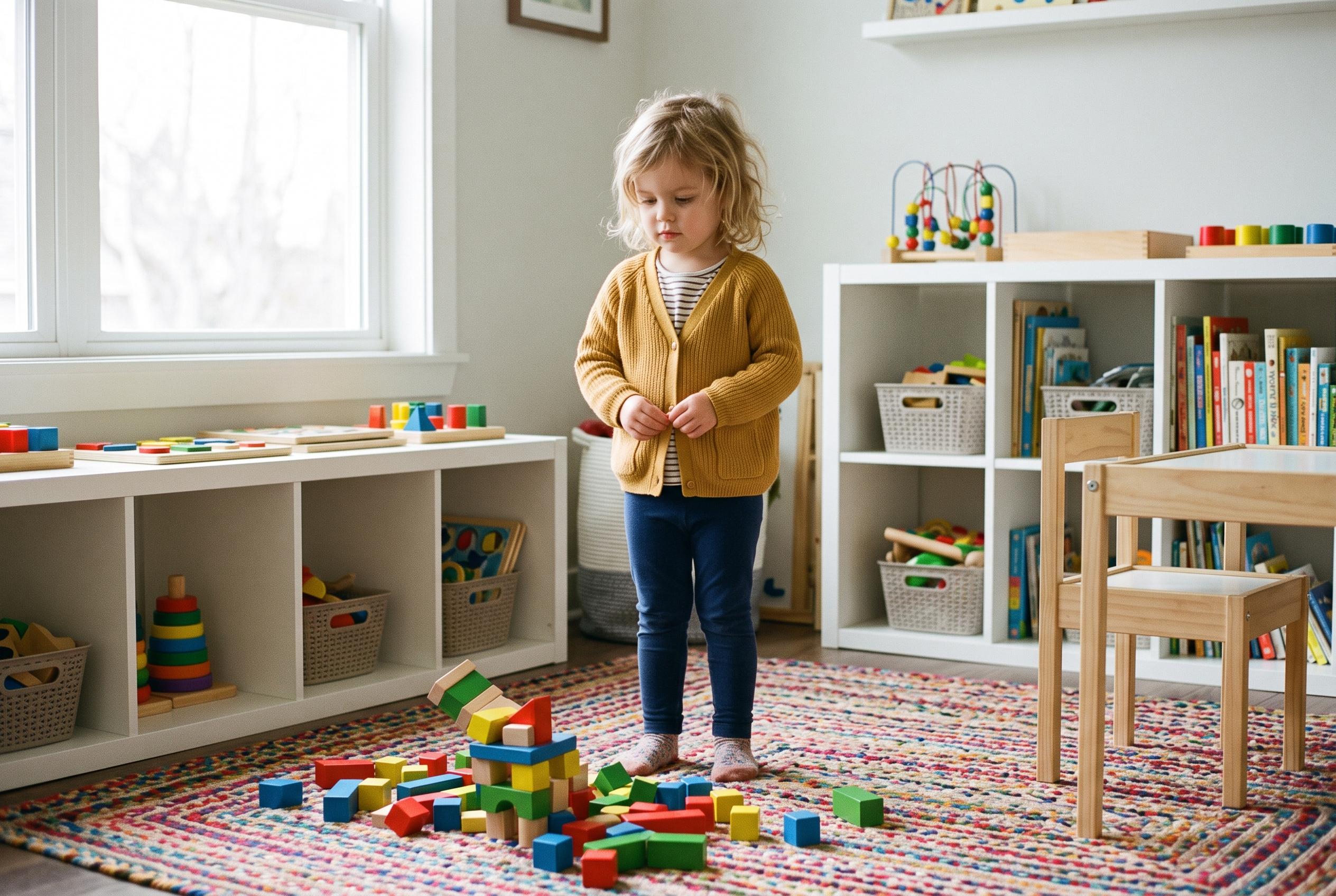

Experts suggest that experiencing and managing minor unfairness can foster resilience in children, helping them develop patience and adaptability in the face of setbacks, with guidance on when to support and when to step back.
Parents often feel a surge of anger when a child is singled out by a teacher, coach or school rule they see as plainly unfair. The instinct is to intervene quickly, challenge the adult and restore balance. Yet the sharper lesson may be that some small, irritating injustices can help children build flexibility, patience and resilience. In the Psychology Today piece, the writer recalls a schoolwide ketchup ban that initially seemed absurd but ultimately helped a picky son learn to adapt rather than insist the world bend to him.
That point matters because children do not only learn from success. In a 2023 Psychology Today article on school difficulties, families were advised to slow down, understand their own emotional reaction and give the child room to describe what happened before rushing to fix it. The goal is not to dismiss a genuine problem, but to help children think through setbacks and practise responding to them with support rather than alarm.
Other parenting guidance makes a similar case. Alloprof, the Quebec education resource, says children are often especially sensitive to injustice and benefit from help naming their feelings, calming down and putting events in perspective. The organisation also suggests using stories or books to talk about unfairness, a reminder that children often absorb difficult lessons more readily when they are framed in familiar, manageable ways.
At the same time, not every complaint should be waved away as character-building. A German-language article in Der Standard advises parents to listen carefully, separate what was actually observed from what was assumed and keep a record of details if a pattern seems serious. That distinction is important: everyday slights and arbitrary classroom rules may call for coaching, but repeated or harmful treatment may require direct action.
Scientific American has argued that children need practice dealing with “not fair” moments, because learning to tolerate frustration is part of emotional development. The challenge for adults is to judge when to step in and when to help a child sit with discomfort, make sense of it and move forward. In the ketchup story, the value came not from the ban itself but from what the child learned to do in response: eat lunch anyway, adapt and keep going.
Disclaimer: This content is for informational purposes only and is not intended to be a substitute for professional medical judgment, advice, diagnosis, or treatment.