
A new parenting style emerges as ‘type C’ parents navigate the delicate balance between maintaining standards and accepting life’s unpredictable chaos, fostering resilience and connection in children.
The latest online twist in the ever-expanding personality-language trend is the so-called type C parent: someone who still likes order and standards, but has learned that family life rarely cooperates with either. The label builds on the familiar type A and type B shorthand, yet it suggests a more mixed reality in which structure, flexibility and a certain amount of daily chaos all coexist.
As described in psychology writing on type C personalities, the term has long been used for people who are detail-focused, cooperative and inclined to keep emotions in check. They may be considerate and dependable, but they can also struggle with assertiveness, suppress their needs and take on too much for the sake of keeping the peace. In parenting, that tendency can show up as a constant attempt to hold everything together while still remaining responsive to children’s needs.
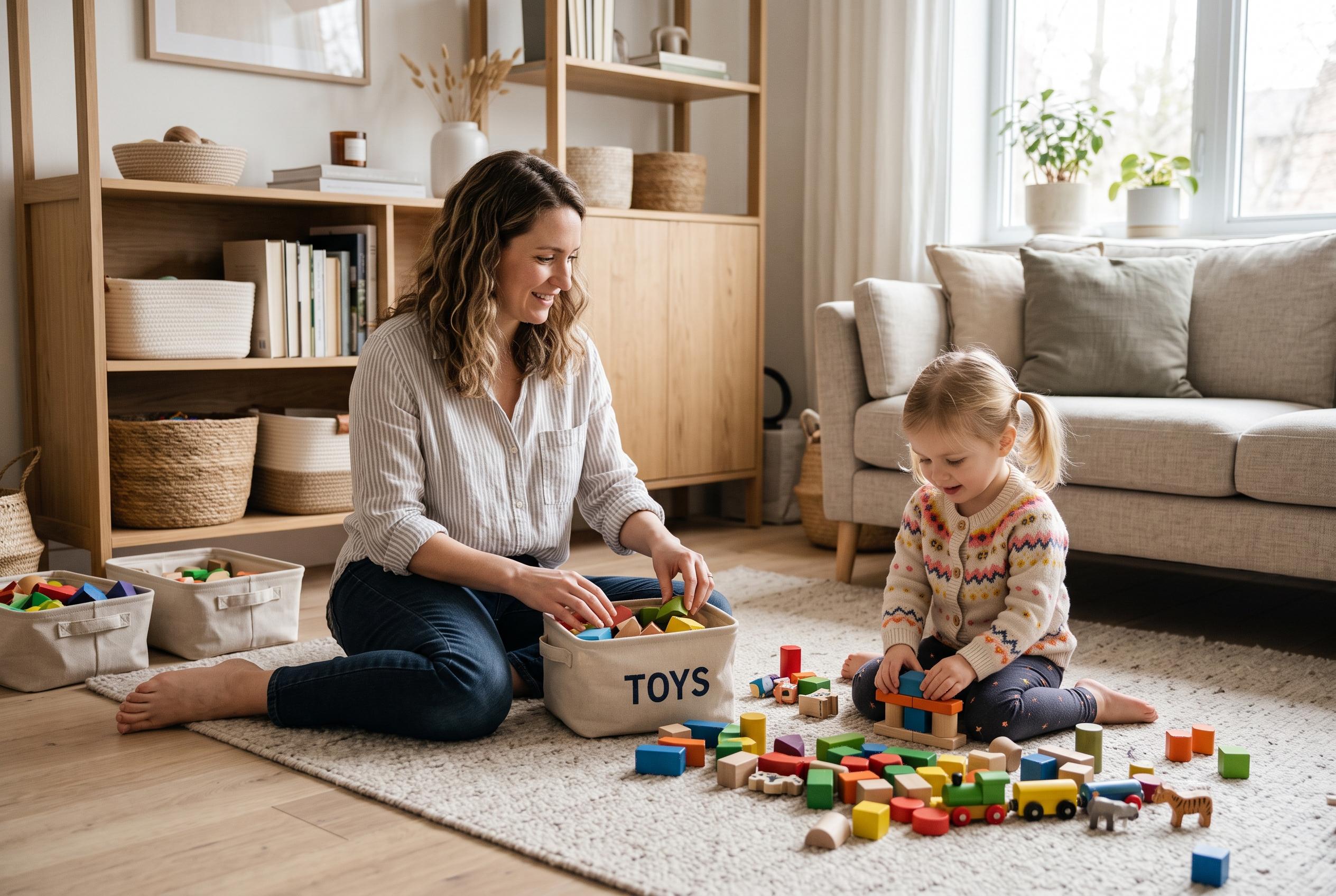
The Huffington Post’s example of type C parenting captures that contradiction neatly: a home that is carefully organised in places, alongside the practical disorder that comes with school runs, toys, homework and forgotten shoes. One viral social-media take on the idea described it as an instinct to label the storage boxes, then turn up to a playdate with neither child properly dressed. In other words, it is less about giving up on standards than about accepting that standards now have to share space with reality.
That softer, less rigid approach is also how some parenting commentators frame the concept. Good Housekeeping and Greenlight describe type C parenting as collaborative and connection-led, with an emphasis on participation rather than control. The idea is not to abandon rules, but to make room for negotiation, calm and mutual respect. Advocates say children can benefit from that balance by becoming more resilient, self-aware and better at solving problems on their own.
There is, however, an important distinction between adaptable parenting and parental burnout. Therapists quoted by Good Morning America say the key question is whether a parent can still stay emotionally present, even when life feels messy. If the answer is yes, that may simply be a type C style. If the answer is numbness, withdrawal or a sense of disappearing, that points instead to burnout, which calls for a different kind of support.
Disclaimer: This content is for informational purposes only and is not intended to be a substitute for professional medical judgment, advice, diagnosis, or treatment.