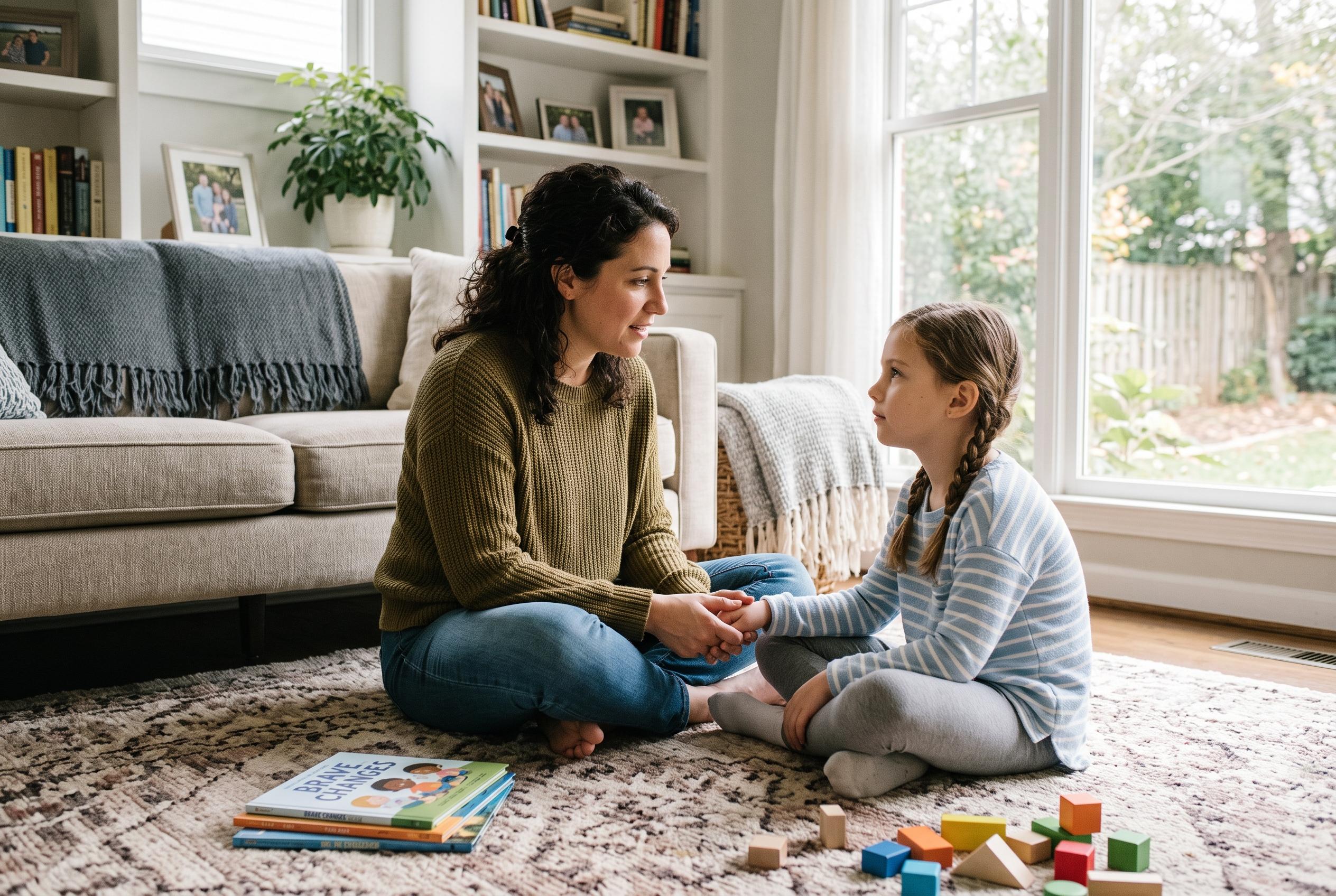

Understanding the common triggers of childhood anxiety, including change and family dynamics, can help parents provide the support needed to prevent worries from escalating into broader mental health issues.
Children’s worry is a normal part of growing up, but it can become troubling when it appears often, feels intense or starts to affect sleep, friendships or school. Parents usually notice the change first: a child becomes quieter, asks repeated “what if” questions or seems uneasy about things that never caused trouble before. According to Psychology Today and the Mental Health Foundation, those worries often centre on family life, school and social acceptance, and they can be shaped by a child’s imagination as much as by events around them.
One of the most common triggers is change. Starting school, moving home, a new baby, a different teacher or even a sleepover can unsettle a child who relies on routine to feel secure. School pressures are another major source of anxiety, especially when children fear making mistakes, being left out, reading aloud or disappointing adults. Children’s Health and Harvard Health both note that anxiety in childhood can take several forms, including separation anxiety, social anxiety and specific fears, and that it may show up in physical complaints such as stomachaches or headaches.
Friendship difficulties can be just as powerful. Children may replay conversations in their heads, worrying they have said the wrong thing or been rejected by friends. Family stress can deepen those fears, particularly when children sense arguments, illness, money troubles or bereavement at home. The Mental Health Foundation, Children’s Health and Valley Children’s Healthcare all point to family problems, life stress, trauma and difficult dynamics as important factors that can fuel anxiety.
Some children are simply more sensitive than others. They notice more, think more deeply and imagine problems before they happen, which can make them especially prone to worry. The same is true for children who absorb too much alarming news, frightening online content or overheard adult conversations about health, money or world events without the context to place them in perspective. As Psychology Today notes, young children in particular can struggle to separate distant threats from immediate danger.
What helps most is not brushing worries aside but looking for the cause underneath them. Calm reassurance, predictable routines, time for questions and praise for small brave steps can all help a child feel safer. If anxiety becomes frequent or begins to interfere with daily life, MedlinePlus and the other health sources suggest that early support matters, because persistent worry can become a broader anxiety problem rather than a passing phase.
Disclaimer: This content is for informational purposes only and is not intended to be a substitute for professional medical judgment, advice, diagnosis, or treatment.