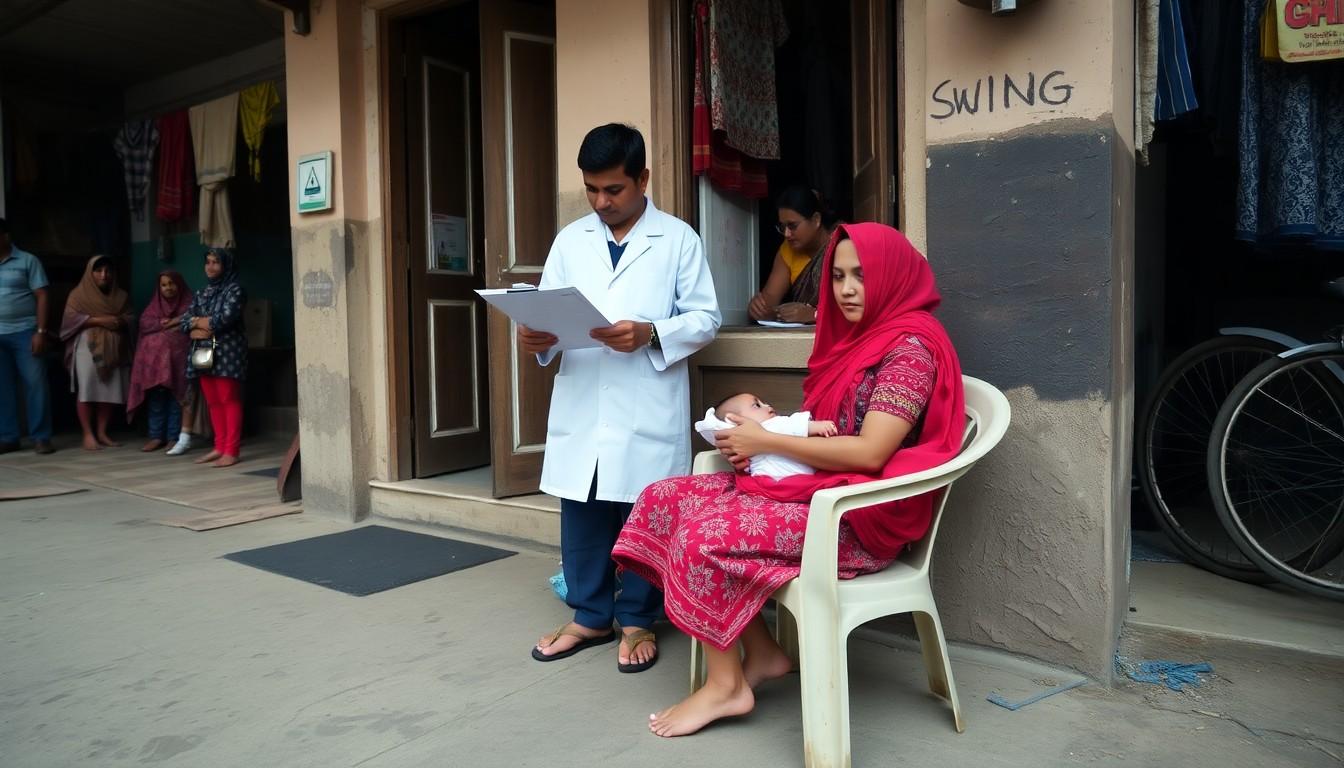

Nepal’s exclusive breastfeeding rate has fallen sharply below global targets, exposing systemic gaps in health services, workplace support, and family assistance that threaten maternal and infant health outcomes.
Nepal’s rate of exclusive breastfeeding for infants under six months has fallen sharply in recent years, underlining a public health concern that specialists say is no longer only about maternal choice but about systems, workplace conditions and family support. According to the Nepal Demographic and Health Survey 2022, the national rate has slipped to 56%, down from 70% in 2011, leaving the country below the global target of 60% set by the World Health Organisation and UNICEF.
Researchers and health workers point to a mix of reasons behind the decline. A community-based study in central Nepal found exclusive breastfeeding fell significantly over time, with rural mothers generally faring better than urban ones. Caesarean deliveries and breastfeeding difficulties were among the factors linked to shorter durations of exclusive feeding, while later initiation after birth also weakened the practice. Public health experts say the pattern suggests that the problem is not simply about awareness, but about whether mothers are properly supported in the hours and days after delivery.
The gap between provinces is also striking. Ratopati reported that Karnali has the highest exclusive breastfeeding rate in the country at 74%, compared with the national average of 56%, while Bagmati sits at the bottom at 43%. That contrast has fuelled debate over whether urban lifestyles, medical practices and weaker breastfeeding support are accelerating the decline in more developed parts of the country.
Health authorities have long recognised the need for stronger intervention. The Ministry of Health and Population has previously said it would enlist medical students, pharmacists and health workers to promote exclusive breastfeeding and enforce Nepal’s Mother’s Milk Substitute Act and its regulations, both of which have been on the books for nearly three decades. Harvard’s Maternal Health Task Force has also pointed to the USAID-backed Suaahara project, which trained health workers and community volunteers in lactation management across 20 districts, as an example of how practical counselling can improve early and exclusive breastfeeding.
The evidence suggests that breastfeeding outcomes depend on far more than a mother’s determination. A systematic review published in ScienceDirect found the pooled prevalence of exclusive breastfeeding in Nepal to be 43%, with delivery type, ethnic background and birth order among the key influences. That analysis, together with district-level findings from central Nepal, reinforces a broader conclusion: if Nepal wants to reverse the slide, it will need better postnatal counselling, more consistent hospital support, and workplaces and families that make breastfeeding possible rather than difficult.
That is why experts argue that responsibility cannot rest with mothers alone. The decline in exclusive breastfeeding reflects gaps in health services, uneven policy enforcement, commercial pressures and the everyday realities faced by women who return quickly to paid work. In that sense, the issue has become a test of whether Nepal can turn breastfeeding promotion into a shared public responsibility rather than a message delivered only to new mothers.
Disclaimer: This content is for informational purposes only and is not intended to be a substitute for professional medical judgment, advice, diagnosis, or treatment.