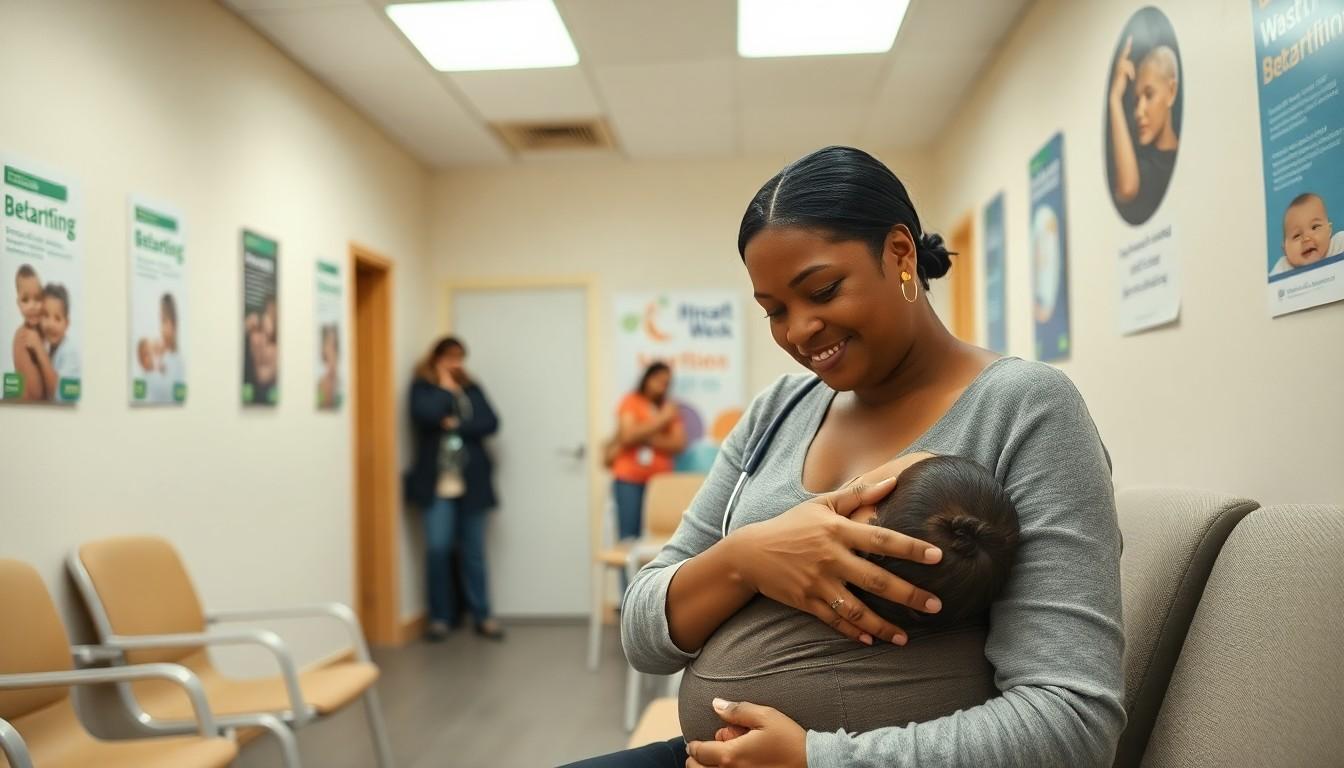

As World Breastfeeding Week unfolds, doctors emphasise the growing body of evidence showing breastfeeding’s crucial role in protecting infants from long-term health issues and supporting maternal recovery, underscoring its importance in public health discussions.
As World Breastfeeding Week is marked each year from 1 to 7 August under the World Health Organization’s calendar, doctors are again drawing attention to the long-term benefits of breast milk for infants and mothers alike. Speaking in Konya, Medicana Konya Hospital obstetrics and gynaecology specialist Dr Fatma Yıldırım said babies who are breastfed are less likely to face obesity and diabetes later in life, while also benefiting from stronger protection against infections in early childhood.
According to Dr Yıldırım, antibodies passed from mother to baby help reduce illness during the first two years of life, particularly against conditions such as pneumonia and ear infections. That view is broadly consistent with public health guidance from the US Centers for Disease Control and Prevention, which says breastfeeding helps support an infant’s immune system and is associated with a lower risk of asthma, obesity and type 1 diabetes.
She also pointed to practical and physiological advantages. Breast milk is ready at any time, costs nothing and is easy to digest, she said, adding that breastfeeding can strengthen the emotional bond between mother and child through the hormone oxytocin. The CDC and the Eunice Kennedy Shriver National Institute of Child Health and Human Development likewise note that breast milk provides ideal nutrition for most infants and may support cognitive development while helping protect against common childhood infections.
Dr Yıldırım said the mother also benefits, because oxytocin released during feeding can help the uterus recover more quickly after birth and may reduce postnatal bleeding. She advised mothers to rest whenever possible, particularly in the first 40 days after delivery, and to keep baby and mother in the same room to support feeding and bonding. Public health guidance from the CDC recommends exclusive breastfeeding for about the first six months, with complementary foods introduced around that point, while noting that some breastfed infants may need vitamin D and, in some cases, iron supplements.
Disclaimer: This content is for informational purposes only and is not intended to be a substitute for professional medical judgment, advice, diagnosis, or treatment.