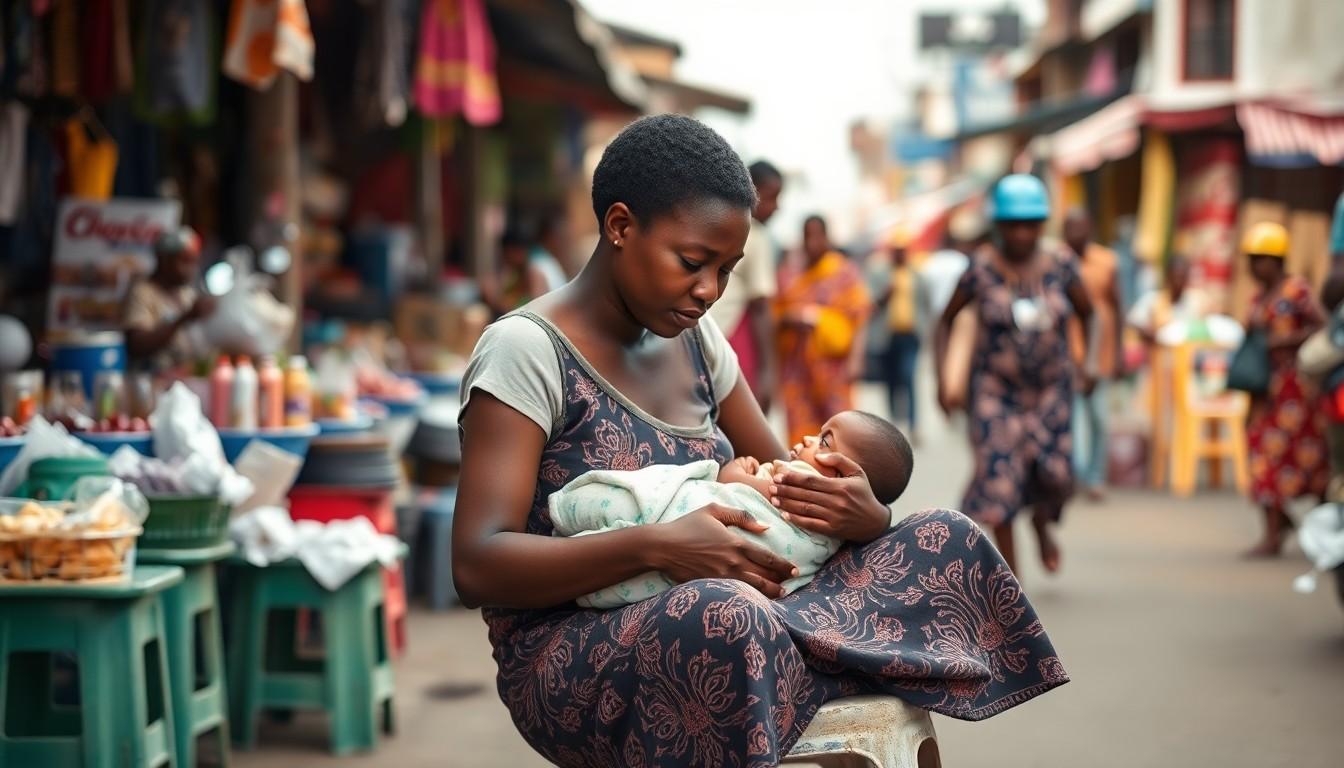

UNICEF urges Nigerian mothers to embrace exclusive breastfeeding amid concerns over low uptake, emphasising its health, economic, and social benefits during World Breastfeeding Week 2026.
UNICEF has urged Nigerian mothers to embrace exclusive breastfeeding, saying it remains one of the cheapest and most effective ways to give babies a healthy start in life while sparing families the cost of breast-milk substitutes. The agency said the practice provides complete nutrition for infants in their first six months, supports immunity and cognitive development, and can reduce the burden of avoidable medical spending at household level.
The message was delivered in Enugu at a two-day zonal media dialogue on advocacy for World Breastfeeding Week 2026, which brought together journalists and stakeholders from Benue, Cross River, Enugu, Imo and Ebonyi states. UNICEF nutrition specialist Dr Ngozi Onuora said colostrum, the first milk produced after birth, acts as a baby’s first vaccine and that mothers should begin breastfeeding within an hour of delivery, continue exclusively for six months, and then keep breastfeeding alongside complementary foods for at least two years.
Onuora said the benefits extend well beyond the child. Breastfeeding, she noted, also supports maternal health and strengthens the bond between mother and baby, while helping families avoid illnesses that can lead to treatment costs. But she said Nigeria’s exclusive breastfeeding rates remain too low overall, despite improvements in some states through awareness campaigns and behaviour-change programmes.
UNICEF’s earlier guidance in Nigeria said exclusive breastfeeding stood at 34% as of August 2024, up over the previous 12 years but still below the World Health Organisation target of 50% by 2025. The agency’s own reporting from states including Cross River and Enugu has repeatedly pointed to the importance of sustained community support, with health workers, husbands and local advocates all helping mothers overcome misinformation, workplace pressures and weak counselling.
That message was reinforced in Enugu by UNICEF social and behaviour change expert Dr Hilary Ozoh, who described breastfeeding as one of the smartest investments any society can make because it improves child survival, reduces illness and supports maternal health. He also argued that the media has a central role in correcting false claims and keeping breastfeeding in the public conversation, while UNICEF communication officer Dr Ijeoma Onuoha-Ogwe urged journalists to continue producing stories that encourage families and communities to back nursing mothers.
Disclaimer: This content is for informational purposes only and is not intended to be a substitute for professional medical judgment, advice, diagnosis, or treatment.