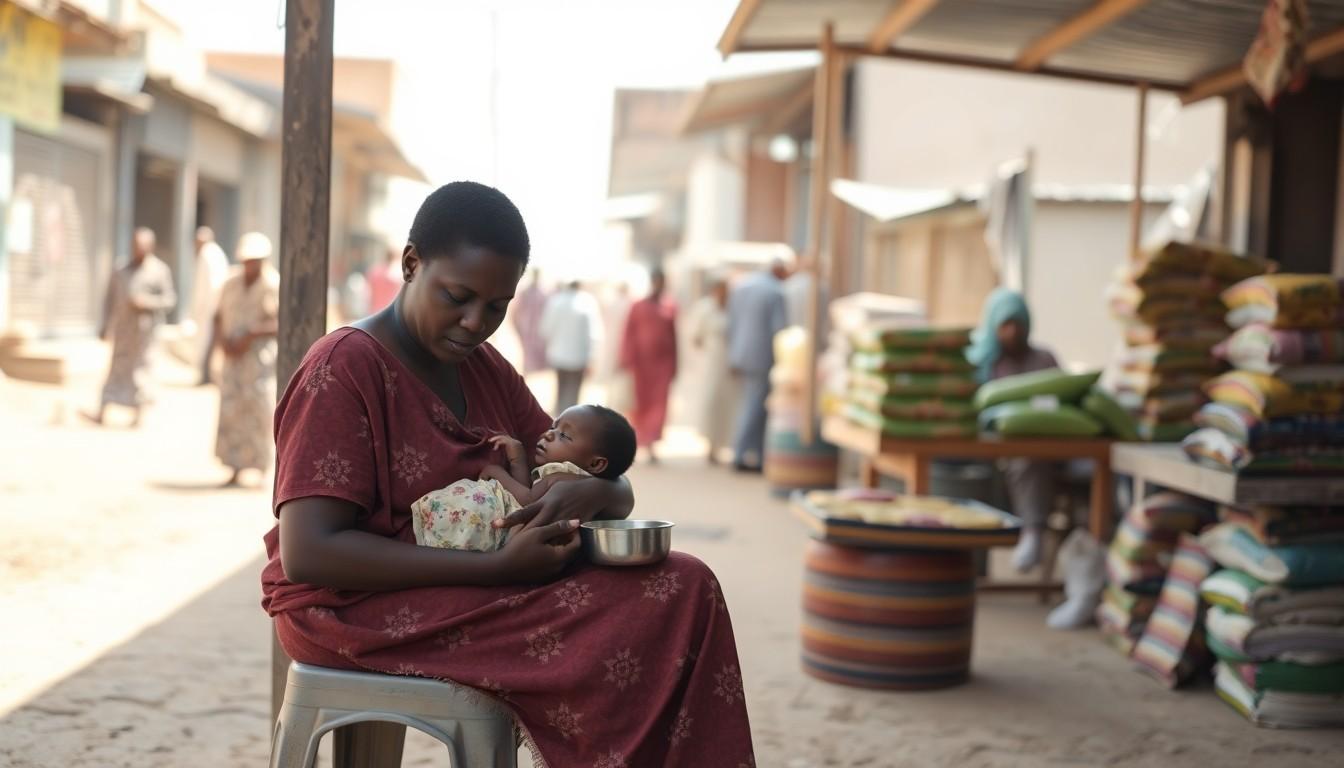

Despite increased awareness, Bauchi State continues to lag in critical infant feeding practices, with UNICEF calling for strengthened support systems and behavioural change ahead of global breastfeeding targets.
UNICEF has warned that Bauchi State remains far behind on two of the most important measures of infant feeding, despite years of public health messaging. The agency says just 26% of babies in the state are exclusively breastfed for the first six months of life, while only 12% are put to the breast within the first hour after birth. Those figures, presented during World Breastfeeding Week in Bauchi, underline a wider national problem in which awareness of breastfeeding is improving but practice is still lagging, particularly in northern states facing heavy malnutrition burdens.
At a media briefing in Bauchi, UNICEF’s chief of field office, Dr Nuzhat Rafique, said the gap between what families know and what they do remains a major obstacle to child survival. She said many mothers still give water, honey or other substances to newborns almost immediately after birth, despite guidance that breast milk alone is sufficient in the early months. UNICEF Nigeria has repeatedly argued that the first 1,000 days of life are critical for preventing undernutrition, and that exclusive breastfeeding remains one of the simplest and most effective interventions available.
Dr Rafique used the occasion to press for a “Zero Water Campaign” in the state, saying the belief that babies need extra water in hot weather is both unnecessary and harmful. She said introducing other feeds too early raises the risk of diarrhoea, respiratory illness and malnutrition, all of which contribute to preventable child deaths. UNICEF and the World Health Organisation have said nationally that exclusive breastfeeding still falls short of global targets, with Nigeria having improved over the years but remaining below the 50% benchmark for 2025.
The UNICEF official also argued that breastfeeding cannot be treated as a private matter for mothers alone. She called for husbands, employers, religious leaders, traditional rulers and communities to provide practical support, including workplace crèches and breastfeeding-friendly spaces. Her remarks echoed earlier UNICEF warnings that many women struggle to breastfeed optimally because of weak support systems at home and work. She also praised the Bauchi State Government’s approval of six months’ paid maternity leave for female civil servants, while warning that policy change will only work if it is matched by public education and sustained behavioural change.
Dr Rilwanu Mohammed, executive secretary of the Bauchi State Primary Health Care Development Board, said UNICEF remains an important partner in improving maternal and child health in the state. He said awareness campaigns must continue even where maternity leave has been extended, because some mothers will still not practise exclusive breastfeeding unless they understand its value. He added that complementary feeding should begin only after six months, with breastfeeding continuing alongside other foods for up to two years, in line with global recommendations.
Disclaimer: This content is for informational purposes only and is not intended to be a substitute for professional medical judgment, advice, diagnosis, or treatment.