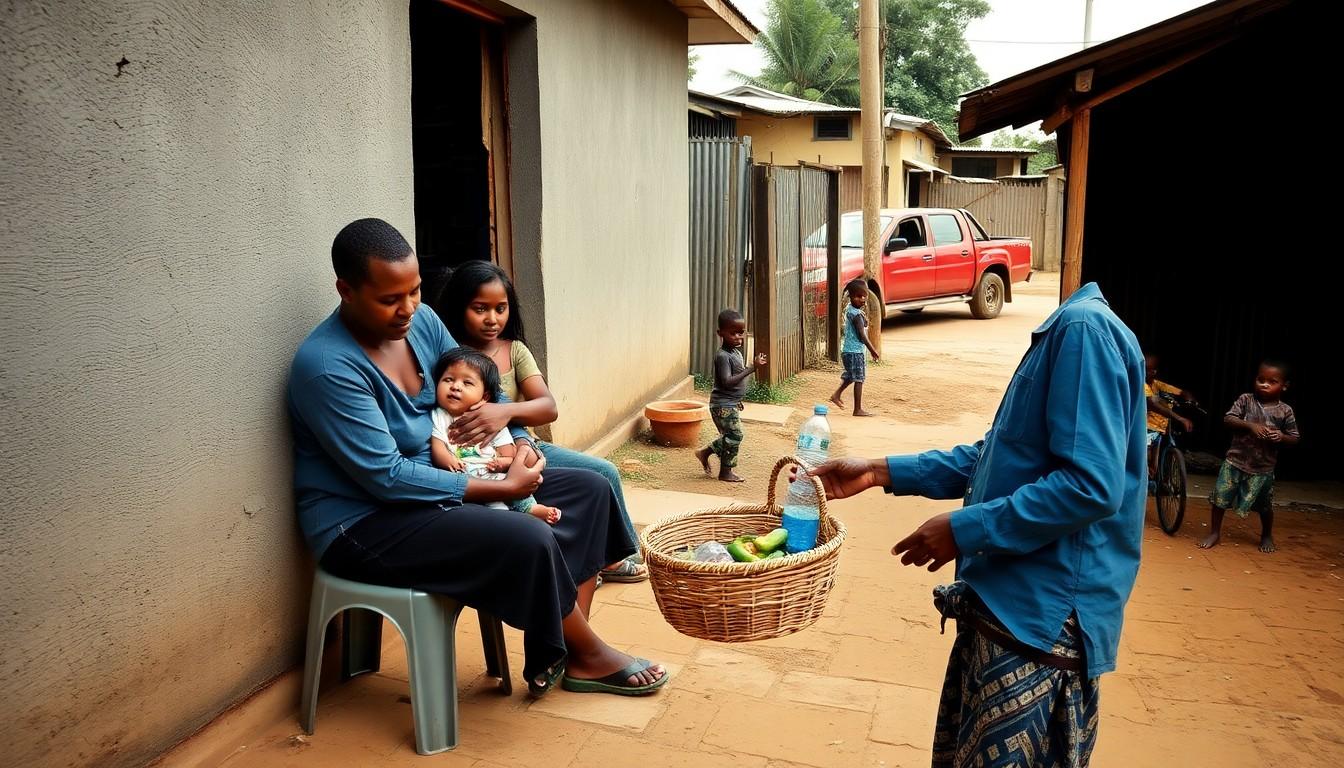

The World Health Organisation warns that despite evidence of the life-saving benefits of breastfeeding, global infant nutrition remains inadequate, risking millions of child deaths and long-term developmental issues. Urgent policy and community support are needed to close the nutrition gap.
The World Health Organisation says infant and young child feeding remains one of the most powerful levers for child survival, yet global nutrition indicators are still deeply troubling. In 2024, an estimated 150 million children under five were stunted, 43 million were wasted and 36 million were living with overweight. WHO says that in 2021 maternal and child malnutrition was linked to about 2.4 million child deaths a year, more than half of all deaths in that age group.
The agency argues that the first two years of life are especially critical, when good nutrition can shape survival, growth and long-term development. It recommends that babies begin breastfeeding within an hour of birth, be fed only breast milk for the first six months, and then continue breastfeeding alongside safe, nutritious complementary foods until at least two years of age, or longer. Yet WHO says only about 47% of infants aged zero to six months were exclusively breastfed worldwide over the period 2018 to 2025.
WHO also points to the practical and economic case for better breastfeeding support. It says early and continued breastfeeding helps protect children against diarrhoea, pneumonia and other infections, while also contributing to better cognitive development, school attendance and later income. The agency estimates that nearly 400,000 deaths among children under five could be prevented each year if exclusive breastfeeding rates were universal for the first six months and breastfeeding continued through at least the second year. It also says underinvestment in breastfeeding programmes costs the global economy about US$339 billion annually.
The picture is less encouraging once children reach the complementary feeding stage. WHO says fewer than a third of children aged six to 23 months received diets meeting minimum diversity standards between 2018 and 2024, and only about half were fed often enough each day. It urges parents and carers to introduce complementary foods at around six months, gradually increase texture and variety, and maintain frequent breastfeeding, while responding to hunger and fullness cues and following basic hygiene and food-safety practices.
The organisation says governments should do more to make these feeding practices realistic for families, including stronger maternity protection, tighter controls on formula marketing, counselling in health services and community-based breastfeeding support. It also backs the Ten Steps to Successful Breastfeeding as standard practice in maternity care. WHO says breastfeeding is safe for mothers living with HIV when they are on lifelong antiretroviral therapy and properly supported, and it remains the preferred feeding option in most difficult circumstances, including prematurity, malnutrition and humanitarian crises.
Disclaimer: This content is for informational purposes only and is not intended to be a substitute for professional medical judgment, advice, diagnosis, or treatment.