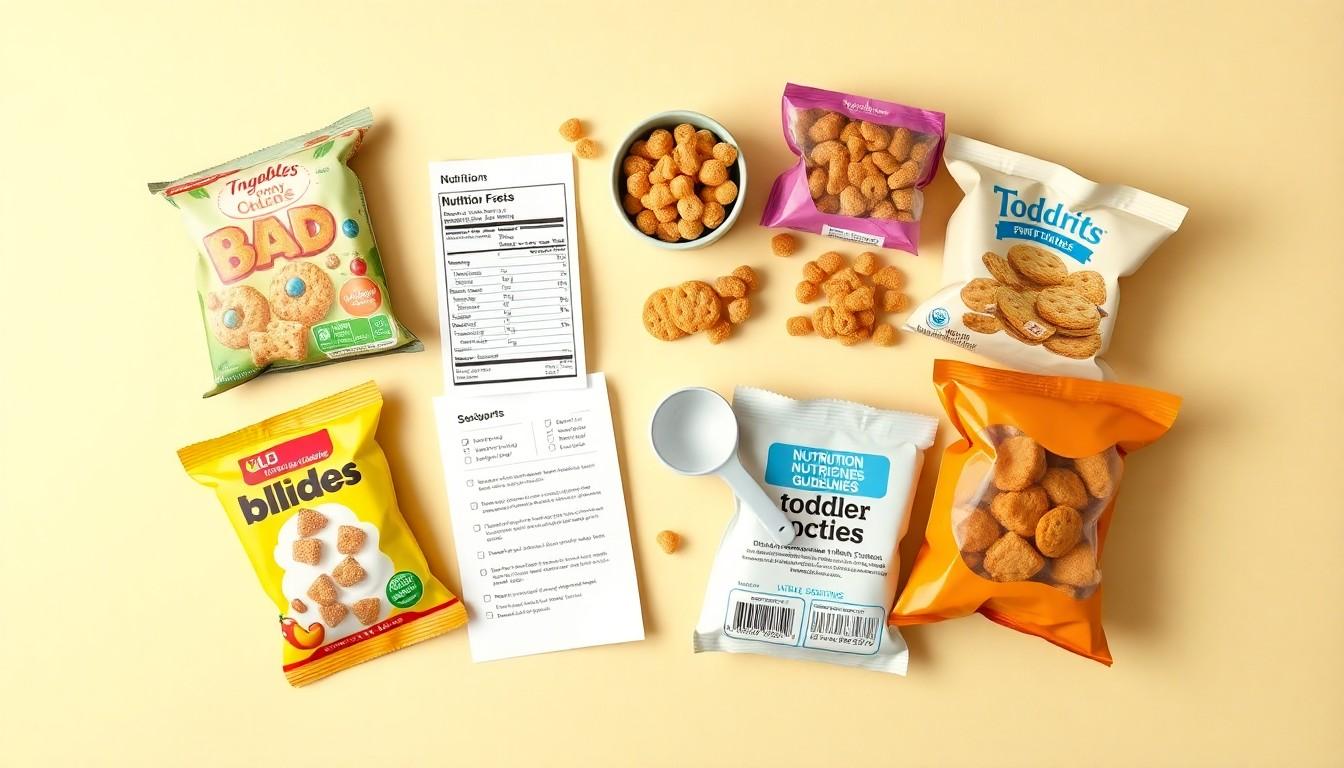

Research from the University of Texas at Austin uncovers that over 80% of packaged foods aimed at toddlers are highly processed and often do not adhere to World Health Organization nutrient guidelines, raising concerns for parental awareness and food marketing.
A new audit from researchers at The University of Texas at Austin suggests that most packaged foods aimed at toddlers in grocery stores are far removed from the wholesome image often implied by their packaging. In the study, more than four-fifths of the products examined were classified as ultra-processed, and nearly half failed to meet at least one nutrient benchmark set by the World Health Organization for foods marketed to young children.
The findings come against a broader public-health backdrop in which the World Health Organization stresses the importance of healthy diets from the earliest stages of life, with limited free sugars, sodium and unhealthy fats forming part of its guidance. In practice, however, the US does not require warning labels on products that are high in sugar, salt or calories, leaving parents to decode ingredient lists and nutrition panels on their own.
Researchers photographed items in the baby and toddler aisles of 21 grocery stores in Austin, Texas, then analysed 2,783 packaged foods aimed at children aged six to 36 months. They excluded infant formula, drinks and purees usually introduced as first foods, focusing instead on the packaged snacks and meals commonly displayed for toddlers. Each product was assessed using the NOVA system, which classifies foods by degree of processing, and the WHO’s Nutrient and Promotion Profile Model, which sets standards for commercial foods intended for young children.
The study found that 81% of the products were ultra-processed. Almost half missed at least one WHO recommendation: 17% were too high in sugar, 25% in sodium, 11% in fat and 12% in energy density. The products ranged from fruit pouches and oat bars to macaroni and cheese, turkey sticks and puffed snacks. Erin A. Hudson, one of the researchers, said in a university news release that many parents may assume toddler-aisle products must meet certain standards, when in fact many do not, and she argued that warning labels could make shopping easier while also pushing manufacturers to reformulate.
The study is limited to packaged foods sold in stores and does not capture everything toddlers eat. Even so, the authors say it underlines a simple but uncomfortable point: marketing aimed at young children is no guarantee of nutritional quality, so parents may need to scrutinise labels more closely than the packaging suggests.
Disclaimer: This content is for informational purposes only and is not intended to be a substitute for professional medical judgment, advice, diagnosis, or treatment.