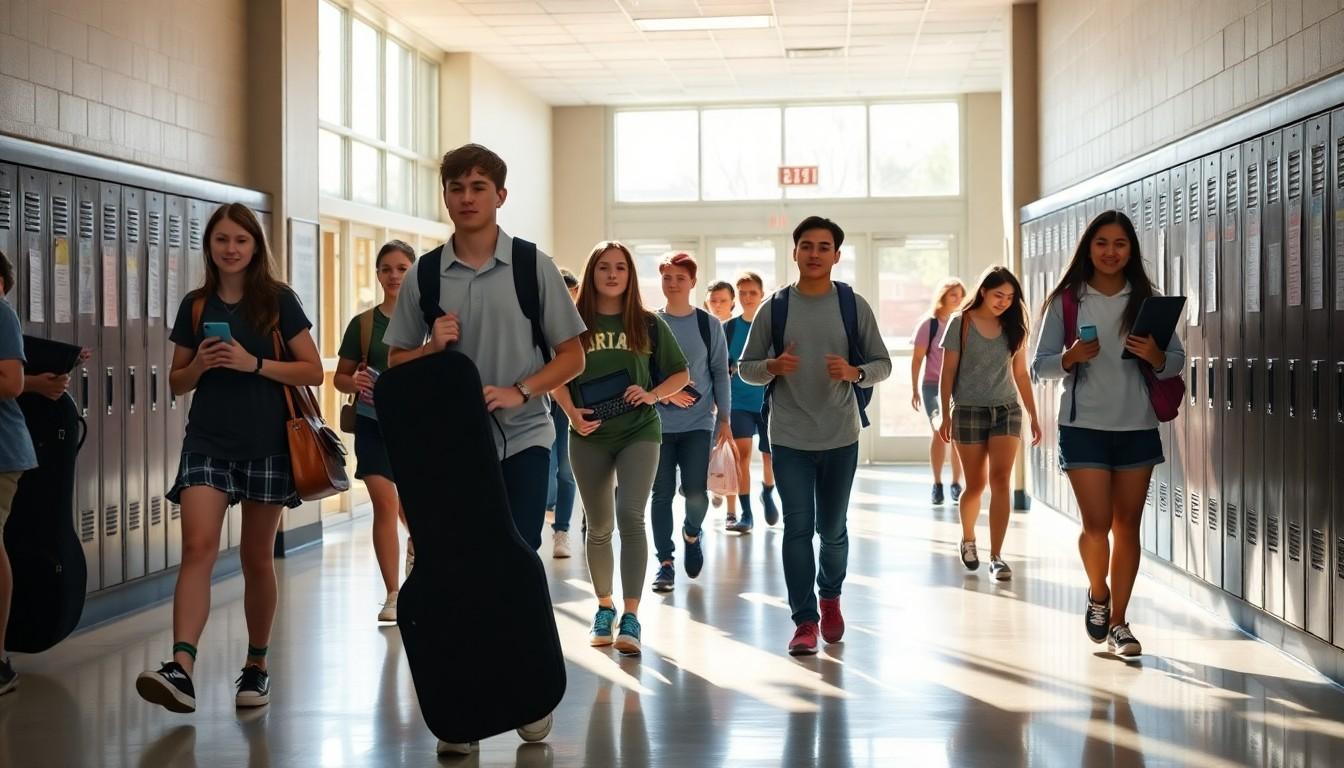

As students gear up for the new academic year, increased participation in noisy activities like band and esports underscores the importance of protective measures to prevent irreversible hearing damage among teenagers, say specialists.
As the new school year approaches, parents may be thinking about uniforms, timetables and transport, but hearing protection can matter just as much when teenagers join band, esports or other noisy extracurriculars. PDX ENT says the aim is to help young people succeed without exposing them to avoidable, and potentially permanent, hearing damage.
The concern is not theoretical. The Centres for Disease Control and Prevention says around 12.5% of children and adolescents aged 6 to 19 have already suffered permanent hearing damage from excessive noise exposure. The National Institute on Deafness and Other Communication Disorders reports that as many as 17% of those aged 12 to 19 show hearing-test features consistent with noise-induced hearing loss in one or both ears.
That risk can arise suddenly or gradually. NIDCD says noise-induced hearing loss may follow a single intense blast, such as gunfire, or repeated exposure to loud sound over time. The same is true in teenage life: one extreme event can do harm, but so can regular hours spent in loud rehearsal rooms, at concerts or with headphones turned up to drown out background noise.
Band classes are often less risky than they might first appear, partly because they tend to be time-limited and interrupted by instruction, and many school music rooms are designed to absorb sound rather than reflect it. Even so, PDX ENT notes that especially forceful playing and teens who are prone to overdoing it can still push sound levels into dangerous territory. Esports, by contrast, may offer fewer natural safeguards because sessions can run for hours and depend heavily on headphones, which can encourage students to increase the volume further.
Specialists quoted by the CDC emphasise that prevention is possible. They advise avoiding or limiting exposure to loud sounds from music, power tools, gunfire and similar sources, while PDX ENT recommends practical steps such as taking breaks, keeping volume down and using a sound-measuring app to monitor levels. For headphone use, the clinic points to the 60-60 rule: listen at 60% of maximum volume for no more than 60 minutes. If a teenager begins showing signs of hearing loss, the safest course is a hearing test, because damage from noise cannot be reversed.
Disclaimer: This content is for informational purposes only and is not intended to be a substitute for professional medical judgment, advice, diagnosis, or treatment.