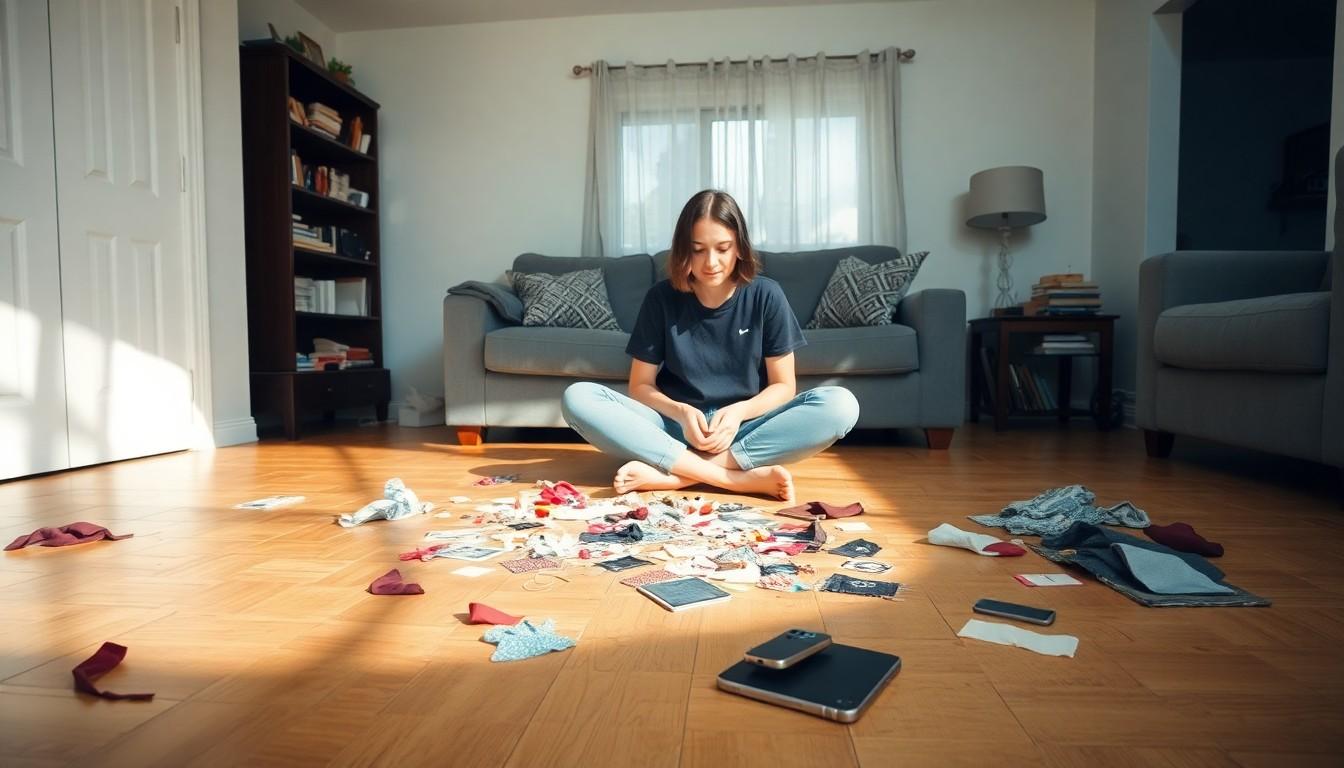

A quiet shift away from screen-based self-care towards hands-on, creative pursuits is gaining popularity, offering tangible mental and physiological benefits in an era dominated by digital distraction.
For many people, self-care has drifted into an expensive industry of apps, supplements and polished routines. Yet a quieter alternative is gaining ground: setting aside the phone and spending time on something made by hand. Psychologist Elize Thesner says the appeal of hobbies such as painting, knitting, pottery, gardening and journalling reflects a deeper need for rest that screens rarely satisfy. According to the Cleveland Clinic, heavy social media use can worsen anxiety and low mood, while breaks from screens can help people refocus on activities that feel genuinely restorative.
The difference, Thesner argues, lies in how the brain responds. Endless scrolling offers quick bursts of novelty, but that can encourage compulsive use and leave people more drained than when they started. Creative work demands participation rather than passivity, which means attention is directed, senses are engaged and the mind is less exposed to the kind of fragmented stimulation that comes from constant notifications. Research and health guidance cited by Yahoo and Psychology Today suggest that even simple creative pursuits can ease stress, support mindfulness and help people process difficult feelings.
There is also a physiological effect. Thesner says hobbies can nudge the body towards a calmer state, particularly when the activity carries nostalgic value or repeats familiar movements. That helps explain why some people find comfort in returning to childhood pastimes, whether that means drawing, sewing or making something from scratch. Psychology Today has reported that repetitive, enjoyable hobbies may signal safety to the nervous system, while moments of absorption can produce the focused, time-losing state known as flow.
Creativity may be especially useful when emotions are too tangled for conversation alone. Writing, music, painting and other hands-on activities can turn vague stress or grief into something visible and manageable. Thesner says that making art can give feelings shape, allowing colour, texture and form to carry what words cannot. A report from UPI last year also pointed to research showing that creative hobbies can foster a sense of achievement and self-expression, with benefits that can be significant in their own right.
The social element matters too. Although self-care is often marketed as a solo pursuit, workshops and hobby groups can offer connection without requiring constant talk. Thesner says shared creative activity can build trust and warmth between people, while still giving each person space to concentrate on the task in front of them. Even so, she cautions that hobbies are not a substitute for treatment when mental health problems are serious. They work best as part of a broader approach that includes rest, movement, healthy habits and, when needed, professional support.
Disclaimer: This content is for informational purposes only and is not intended to be a substitute for professional medical judgment, advice, diagnosis, or treatment.