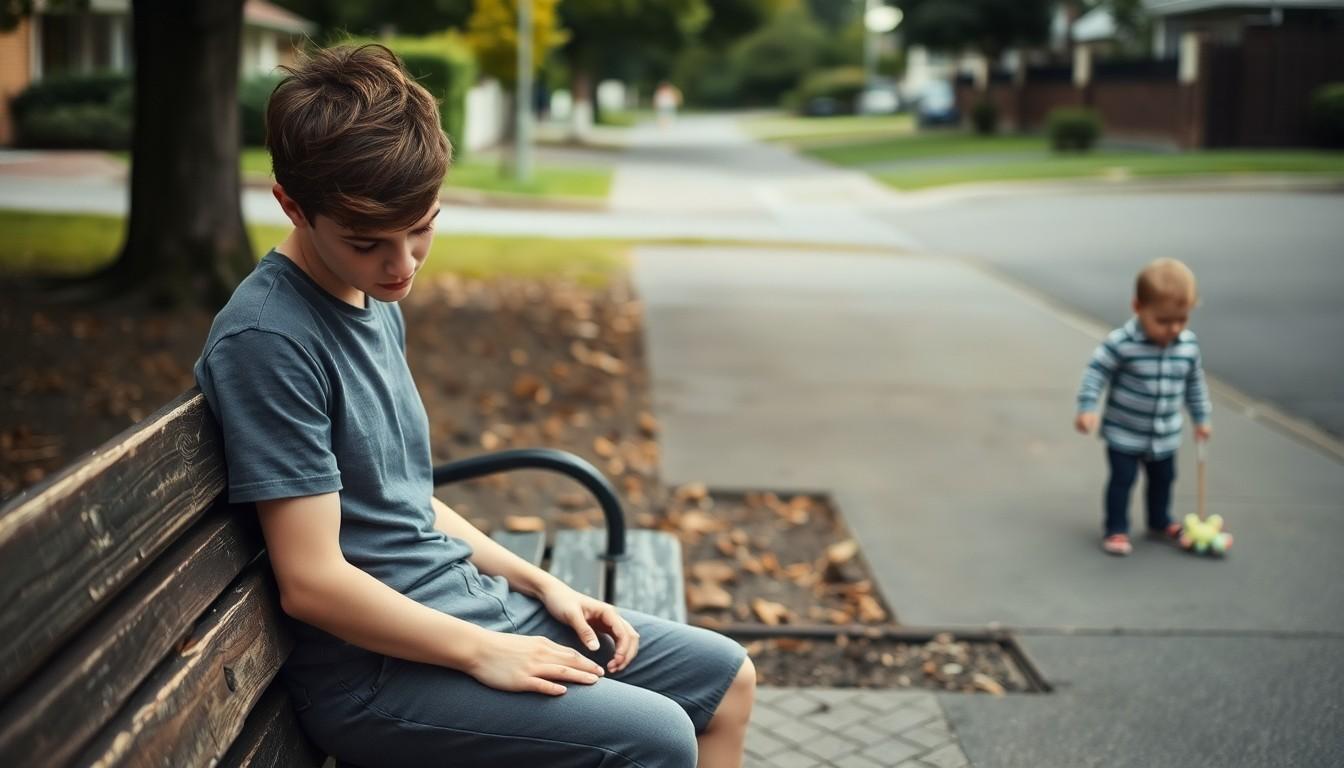

Childhood trauma often manifests in subtle patterns rather than catastrophic events, affecting both mind and body. Recognising these patterns and employing staged, personalised therapies can foster healing and resilience in adults and children alike.
Childhood trauma is often misunderstood as a single catastrophic event. In reality, it can also be the quieter business of growing up in fear, emotional neglect, instability, or relentless stress. Many adults only recognise it when they notice the same patterns repeating: overreacting to criticism, bracing for conflict, struggling to relax, or feeling guilty for having needs at all. What feels like a personal flaw is often an old survival strategy still doing its job.
The scale of the issue makes it more than a private struggle. The National Children’s Alliance says nearly half of children in the United States have experienced at least one form of childhood trauma, and many have faced more than one. Studies of adverse childhood experiences show that economic hardship and parental separation are among the most common exposures. That does not make every difficult childhood traumatic, but it does underline how often early stress becomes woven into later life.
Crucially, children adapt to their surroundings rather than judge them. If silence kept the peace, if perfection earned attention, or if emotional distance reduced harm, those responses were intelligent at the time. The problem is that the nervous system may keep treating those adaptations as if they are still needed in adulthood. Trauma can therefore live less as a memory than as a pattern of expectation, tension and alarm.
That is why the effects are often both psychological and physical. Unresolved trauma may show up as shame, intrusive memories, emotional numbing, or repeated relationship difficulties. It can also present as sleep problems, muscle tension, digestive distress or a body that never quite settles. Research on childhood trauma has linked early adversity with changes in emotion regulation, executive function and later vulnerability to post-traumatic stress and depression.
Effective treatment depends on matching the approach to the person and the stage of healing. For children and adolescents, the National Child Traumatic Stress Network highlights Trauma-Focused Cognitive Behavioural Therapy, Parent-Child Interaction Therapy and Child-Parent Psychotherapy as evidence-based options, with relationship-centred work especially important for young children. The University of Massachusetts Medical School’s LINK-KID programme also lists TF-CBT for young people exposed to violence, neglect or abuse, reflecting the wider view in the child-trauma literature that trauma-focused care should be a first-line intervention.
For adults, processing-based therapies such as EMDR may help reduce post-traumatic stress symptoms, anxiety and depression, particularly when the person is ready to revisit distressing material without becoming overwhelmed. But therapy is only one part of recovery. Grounding, breathwork, movement, journalling and other regulation tools can help the body learn that it is no longer in immediate danger. The aim is not to force calm; it is to make calm feel possible.
Readiness matters. Someone may benefit from deeper trauma work only once they can stay present with difficult emotions, sleep more steadily, and rely on at least one safe relationship. If they are in crisis, using substances to get through sessions, or living in an unsafe environment, stabilisation usually needs to come first. That slower approach is not avoidance. It is respect for the nervous system’s limits.
Healing also tends to happen in stages rather than in one clean breakthrough. Stabilisation lays the groundwork, processing loosens the grip of the past, and integration helps daily life feel less organised around injury. Recent research has suggested that positive childhood experiences may be strongly protective for mental health, which is a reminder that recovery is not only about reducing symptoms but also about building safety, belonging and steadier relationships in the present.
Disclaimer: This content is for informational purposes only and is not intended to be a substitute for professional medical judgment, advice, diagnosis, or treatment.