
Contemporary Applied Behaviour Analysis (ABA) is evolving from its traditional, rigid methods into personalised, relationship-based programmes that prioritise communication, emotional needs, and naturalistic learning for autistic children.
Applied Behaviour Analysis, better known as ABA, remains one of the most widely discussed therapies for autistic children, not least because the term still carries the weight of older practices that many families now view with suspicion. Yet the picture presented by current providers is very different from the rigid, compliance-driven models associated with ABA’s earlier history. Modern programmes are generally described as individualised, relationship-based and focused on helping children build practical skills in ways that respect their communication style and emotional needs.
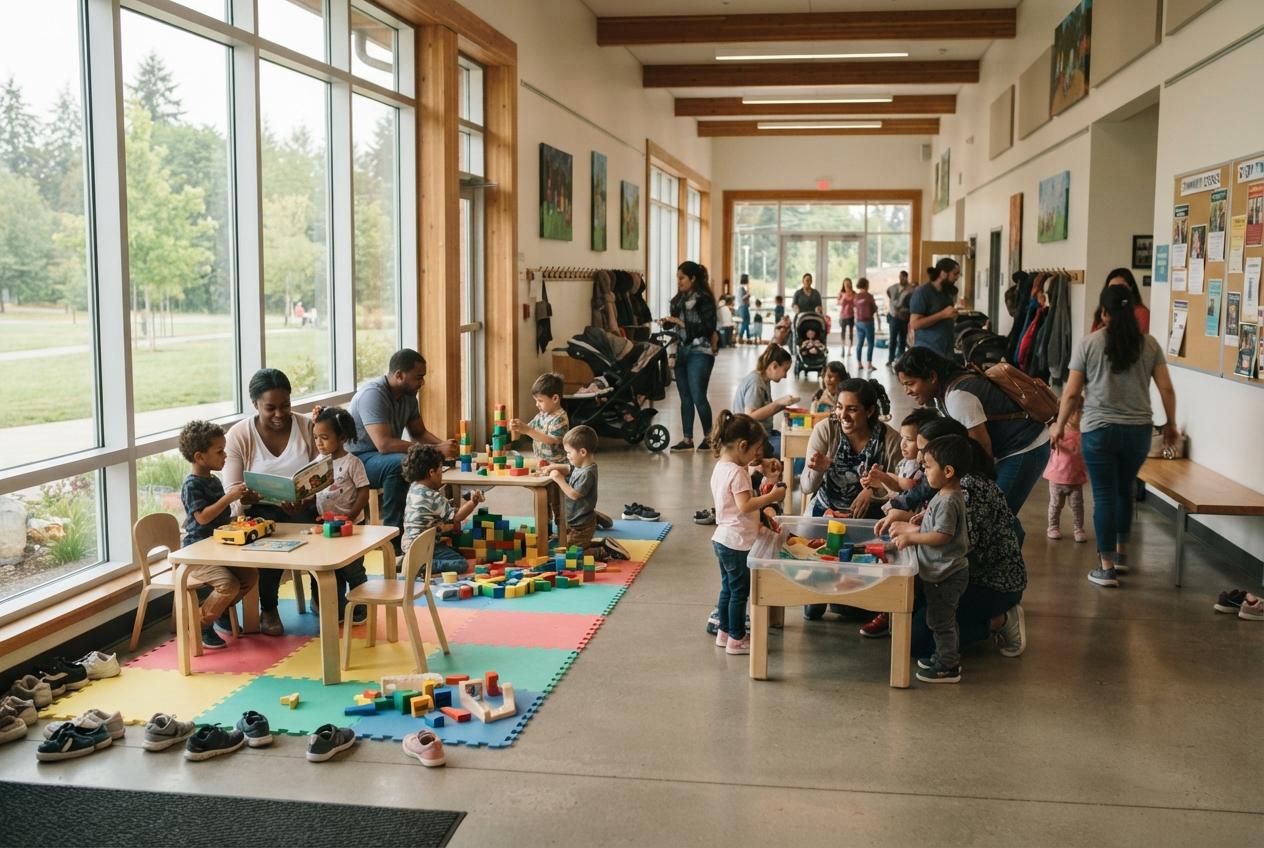
One of the most persistent misconceptions is that ABA is mechanical or desk-bound. According to providers writing on the subject, that stereotype comes from outdated versions of the therapy, whereas current practice often blends structured teaching with play-based and naturalistic methods. Instead of relying solely on repetition, clinicians may use strategies that follow a child’s interests and turn everyday moments into learning opportunities, which is intended to make the experience more engaging and less formal.
Another common misunderstanding is that ABA has little relevance outside the clinic. In fact, modern approaches often emphasise generalisation, meaning that the skills taught in session should carry over into real life. Natural environment teaching is frequently used to practise things such as asking for a snack, taking turns on the playground or washing hands at home. The point is not simply to learn a behaviour in isolation, but to help a child use it when it matters.
The therapy is also often wrongly framed as competing with other interventions. Several providers stress that ABA and occupational therapy address different needs and can work well together. Occupational therapy is commonly associated with sensory processing, fine motor development and coordination, while ABA tends to focus on communication, learning and behaviour. Where services are coordinated, families are more likely to see goals reinforced across settings rather than treated as separate silos.
A further concern for many parents is whether ABA is about suppressing individuality. Modern ethical practice is generally presented as the opposite: the aim is to teach useful replacement skills, not to punish harmless differences or force a child into appearing “normal”. Providers increasingly point to functional communication training as an example, where a child who is distressed or unable to express a need is taught another way to communicate, such as sign language, picture exchange or a speech-generating device. The behavioural challenge may then ease because the underlying frustration has been addressed.
Families are also encouraged to expect tailoring rather than a fixed weekly formula. Reports from ABA providers note that hours should be based on clinical need, not on an outdated blanket recommendation. Programmes for younger children may be more intensive, while older children may only need targeted support in specific areas. Just as importantly, parents are usually expected to play an active role through coaching and home practice, since skills are most useful when they are reinforced beyond therapy appointments.
Choosing a provider, however, still requires care. Articles from ABA organisations advise parents to ask how a clinic handles self-stimulatory behaviour, whether it follows ethical standards, and how much flexibility there is in the programme. A child-led approach should be built on rapport, not pressure; if a child seems consistently upset or the therapy feels overly rigid, families are generally advised to speak up or look elsewhere. The broader message across the current literature is that effective ABA is less about control than collaboration, and less about changing who a child is than helping them communicate, learn and participate with greater confidence.
Disclaimer: This content is for informational purposes only and is not intended to be a substitute for professional medical judgment, advice, diagnosis, or treatment.