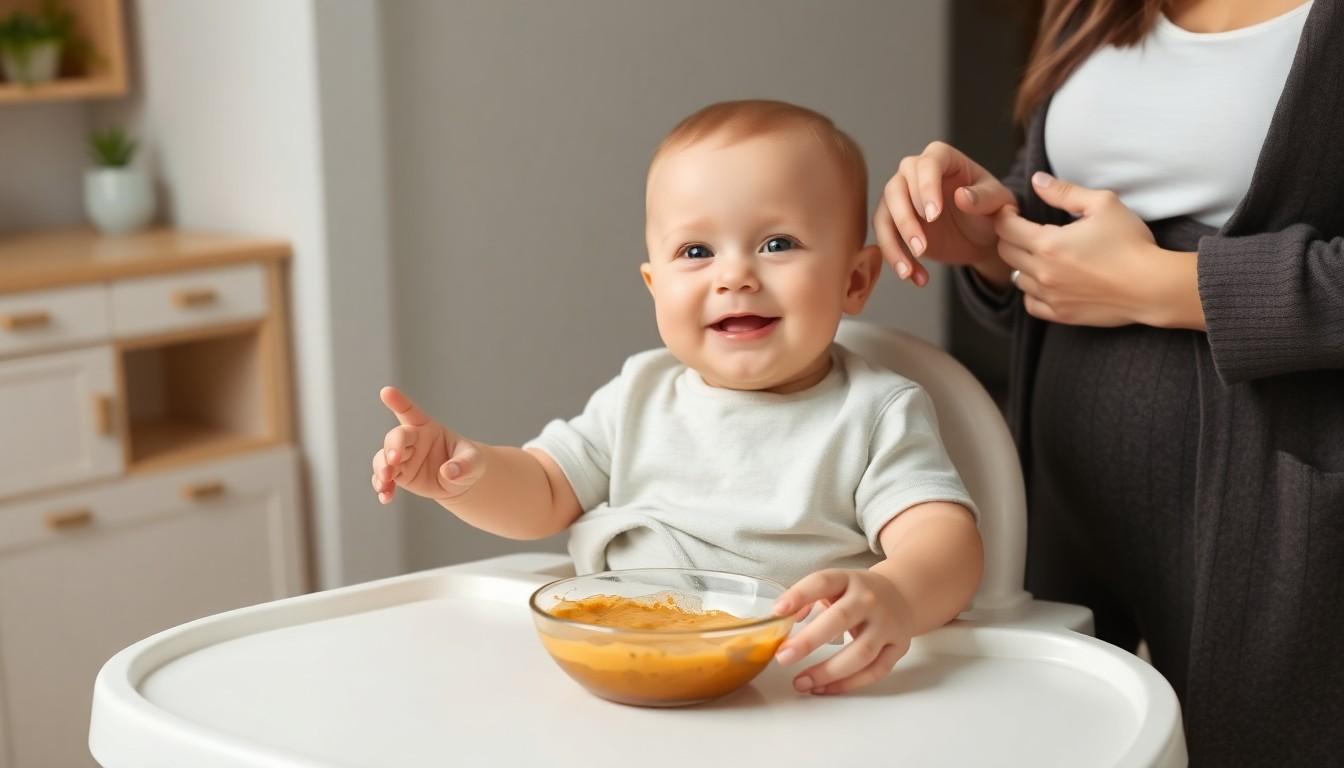

Introducing solids to babies is a gradual process where continued breastfeeding remains vital. Experts emphasise patience and attention to cues, with new foods complementing milk rather than replacing it early on.
A baby who still wants to breastfeed after starting complementary foods is usually showing entirely normal behaviour. In the early days of MPASI, the new food is there to introduce taste and texture, not to replace breast milk. The lead article says a baby who can swallow even 1 spoonful without spitting it back out has already made meaningful progress, and that appetite for milk afterwards is a sign the feeding routine is working as it should.
That fits with wider guidance on readiness for solids. Alodokter, Halodoc and Kompas all point to the same practical signs: a baby should be able to sit with support, keep the head steady and show interest in food before MPASI begins. Halodoc also notes that some babies may appear ready slightly before 6 months, but paediatric advice is still important if parents are considering an earlier start.
The timing matters because the first months of MPASI are about learning, not filling up. The article says the portion may be as little as 1 to 2 spoonfuls once or twice a day at the start, which is far below a baby’s daily energy needs. Breast milk therefore remains the main source of nutrition for babies in the 6-to-8-month range, while solids gradually take on a bigger role later in the first year. By 9 to 11 months, the balance begins to shift, but milk still remains important.
There is also no fixed rule on whether to feed milk first or solids first. The article argues that both approaches can work, depending on the baby’s mood and hunger level, and says many parents find the transition smoother when the baby is not already extremely hungry. That matches the practical advice found in other parenting guides, which stress gradual introduction and careful attention to the child’s cues rather than a rigid schedule.
Food choice in the first days is equally simple: soft, smooth and easy to swallow. Alodokter recommends starting with gentle porridge-style foods, while the lead article suggests familiar options such as rice porridge, pumpkin purée, mashed potato, banana purée and sweet potato purée. It also advises introducing one new ingredient at a time over several days so that any reaction is easier to spot. Juice, meanwhile, is not recommended for babies under 12 months, according to the article’s reference to the Indonesian paediatric association.
For parents, the key message is reassurance. A baby who still asks for the breast after MPASI, refuses a spoonful, or needs several attempts before accepting food is not failing. The article’s broader point is that the transition to solids is a slow process, and that patience, not pressure, is what helps a child learn to eat well.
Disclaimer: This content is for informational purposes only and is not intended to be a substitute for professional medical judgment, advice, diagnosis, or treatment.