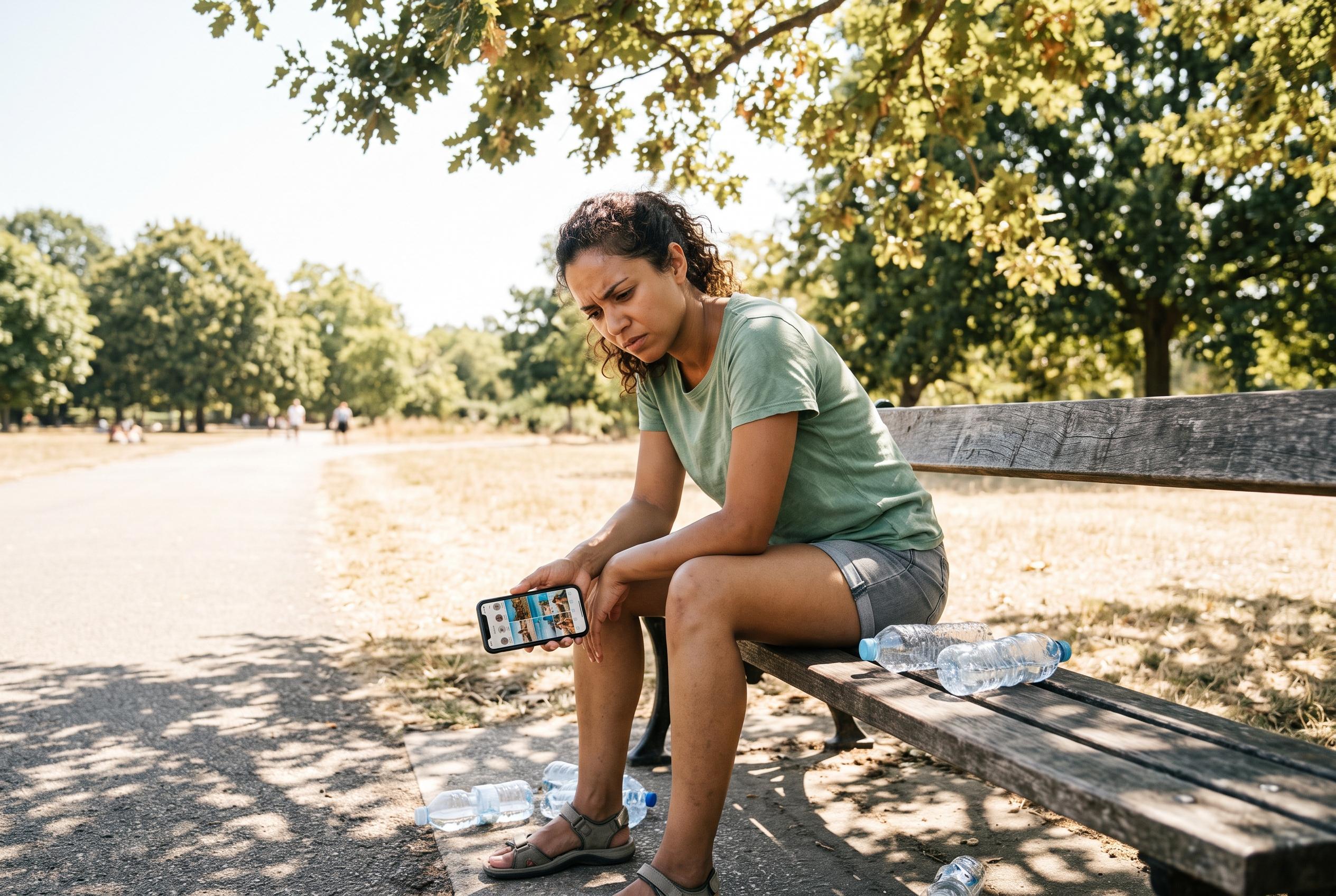

As climate change drives heatwaves and social media amplifies comparison, more people experience summer depression characterised by irritability, fatigue and mood drops, prompting calls for awareness and self-care strategies.
Summer is often marketed as the season of freedom, beaches and easy living, but for some people it brings the opposite: irritability, poor sleep, fatigue and a sinking mood that can become clinically significant. Psychiatrists and mental health specialists describe this as summer depression, a seasonal pattern that can resemble seasonal affective disorder and is increasingly recognised as more than a passing bad mood. Cleveland Clinic and other medical sources say the condition can surface with warmer weather, longer daylight hours and disrupted routines, particularly when heat makes daily life harder to manage.
In the article’s lead example, Egyptian specialists point to a cluster of symptoms that can begin as soon as temperatures rise: persistent sadness, anxiety, restlessness, disturbed sleep, low energy and a reduced appetite. That picture is broadly consistent with reporting from Cleveland Clinic, SingleCare, National Geographic, Scientific American and The Washington Post, all of which note that summer-linked depression can show up with insomnia, loss of motivation, social withdrawal and heightened irritability. The medical consensus in those reports is that the disorder is real, even if it is less familiar than the winter form of seasonal affective disorder.
Doctors quoted in the lead article said women, pregnant women, women after childbirth, teenagers and people with thyroid disorders may be especially vulnerable. That fits wider reporting that summer depression can be more likely in people already sensitive to hormonal shifts, stress or physical discomfort. The National Geographic report also notes that triggers can be complex and difficult to pin down, which helps explain why some sufferers do not recognise the pattern until they have lived through several hot seasons.
The heat itself can be part of the problem. Cleveland Clinic, Scientific American and The Washington Post all link summer depression to high temperatures, humidity and poor sleep, while Axios reported that extreme heat and bright sunlight may worsen symptoms in susceptible people. In the lead article, a psychotherapist described another layer: rising temperatures can affect blood pressure, energy and tolerance, making some people more prone to tension and conflict. As climate change drives more intense heatwaves, several of those reports suggest the problem may become more visible and more common.
But the lead article argues that climate alone does not explain the modern version of the phenomenon. A sociology lecturer quoted there said social media has turned summer into a stage for comparison, where beaches, resorts and holidays are no longer just leisure but symbols of success. That feeds what sociologists call relative deprivation: people judge their lives not against their own circumstances but against the polished scenes they see online. The result can be a growing sense of exclusion, inadequacy and frustration, especially when every feed seems to celebrate the same idealised summer.
Financial pressure adds another strain. For many families, the cost of travel, entertainment and even a few days away can turn a holiday into a burden rather than a break. The lead article suggests that parents in particular may feel caught between wanting to give their children a memorable summer and knowing they cannot afford the version of it that dominates social media. In that setting, the season becomes a reminder of limits rather than a chance to recover.
Health experts say the response should begin with simple but consistent habits: keeping a routine, sleeping regularly, staying hydrated, reducing exposure to peak heat and making time for real-world contact rather than only online comparison. Cleveland Clinic and SingleCare also recommend tracking mood changes, setting realistic expectations and seeking professional help if symptoms persist. The key message from both the medical and social readings of summer depression is the same: if the season consistently brings sadness, agitation or exhaustion, it should not be dismissed as weakness or a temporary mood swing.
Disclaimer: This content is for informational purposes only and is not intended to be a substitute for professional medical judgment, advice, diagnosis, or treatment.