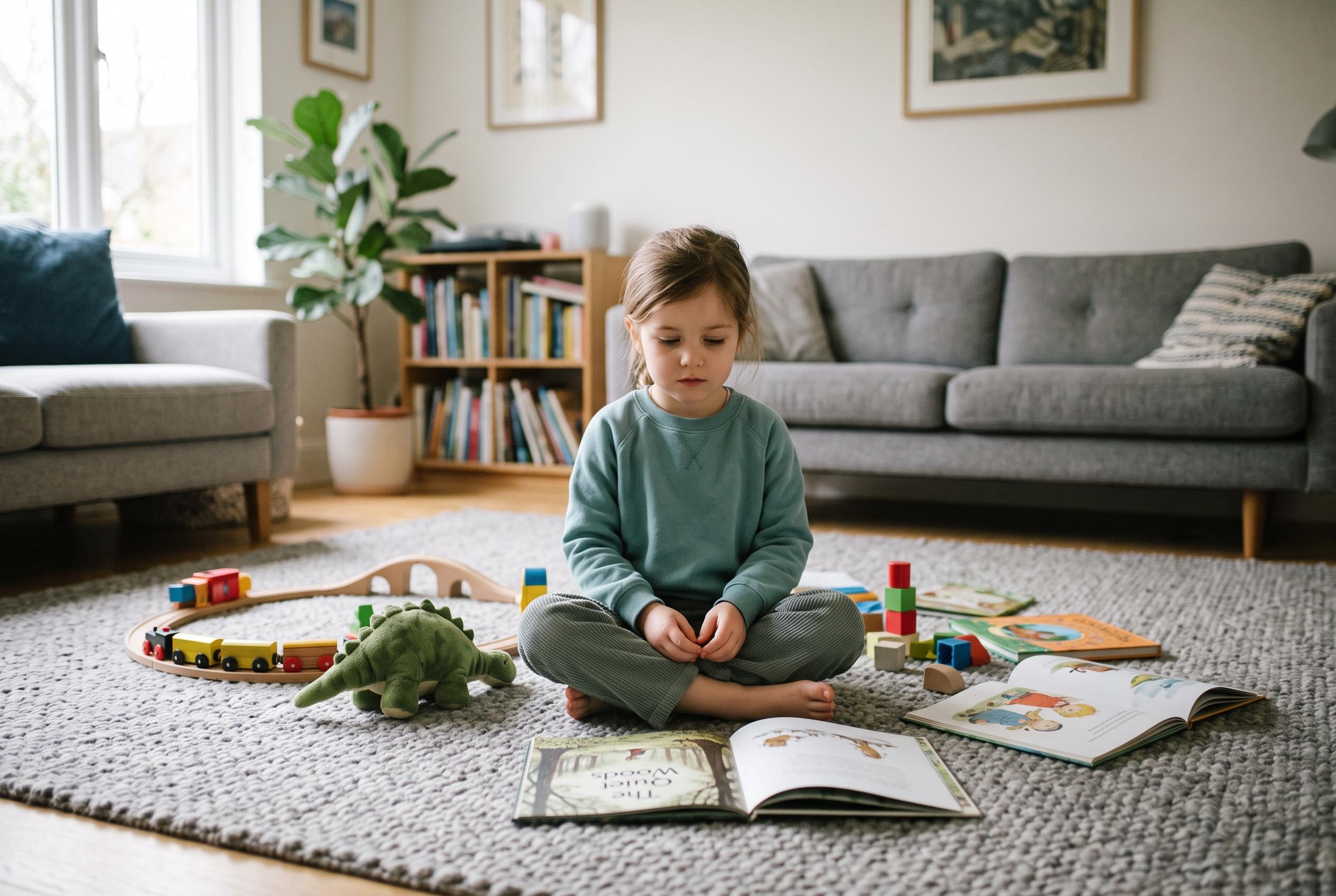

Children showing signs of anxiety often retreat rather than panic. Experts urge parents to recognise subtle behaviours like avoidance and to seek evidence-based support early, including therapy options like CBT and exposure therapy, to promote resilience and well-being.
Anxiety in children often looks less like panic and more like retreat. Cleveland Clinic says it can show up as avoidance, physical complaints, sleep trouble or a growing refusal to do things that once felt manageable. In the case described here, the pattern has moved beyond ordinary nerves: an 8-year-old who is suddenly freezing during lessons, homework and writing tasks is showing a level of distress that can disrupt both learning and everyday life.
That does not automatically mean something is seriously wrong, but it does suggest the issue is no longer a passing phase. Children’s Health says parents should pay attention when fear starts narrowing a child’s world or when stress responses begin to interfere with school, friendships or family routines. A child who repeatedly shuts down rather than simply resists can be signalling that the challenge feels overwhelming, not merely unpleasant.
When that happens, experts recommend looking for evidence-based support rather than waiting indefinitely for the child to outgrow it. Mayo Clinic Press notes that cognitive behavioural therapy, or CBT, is often used to help children recognise anxious thoughts and practise new responses. Exposure therapy can gradually build tolerance for feared situations, while other approaches may be used when anxiety overlaps with mood or behaviour problems. Cleveland Clinic also says medication can sometimes be part of treatment, particularly when symptoms are persistent or severe, though it is not always the first step.
Choosing the right therapist matters as much as choosing whether to seek help at all. Cleveland Clinic advises parents to look for a clinician with experience treating children and to pay attention to fit, communication and whether the therapist uses proven methods. The goal is not endless validation but practical progress: a child who learns to face difficulty with support, not avoidance.
There is still room for tough love, but it works best when it is structured and calm rather than punitive. That means acknowledging the fear, keeping expectations steady and helping the child practise small acts of persistence. In many cases, the most loving response is neither to dismiss the anxiety nor to let it take over, but to treat it as a real problem that can be addressed with skill, patience and, when needed, professional care.
Disclaimer: This content is for informational purposes only and is not intended to be a substitute for professional medical judgment, advice, diagnosis, or treatment.