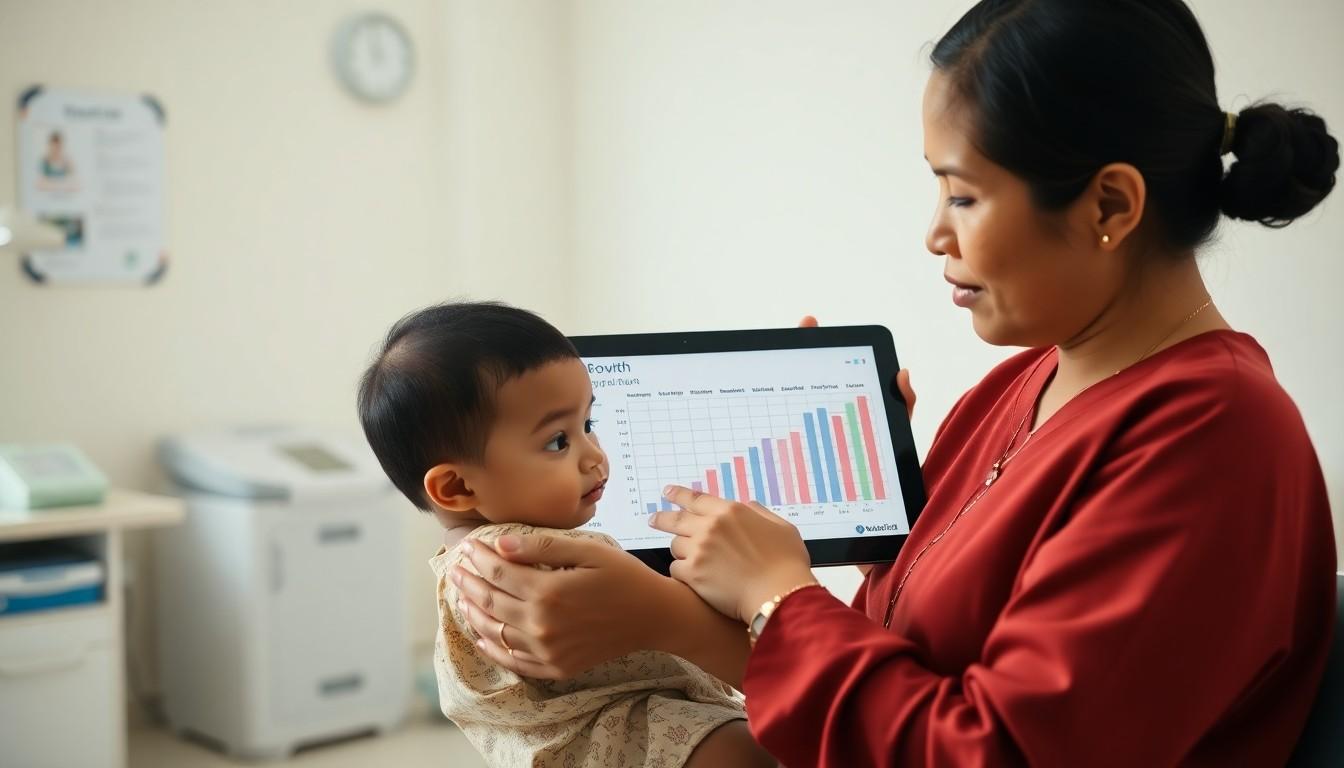

A leading Indonesian paediatric society urges parents to monitor their children’s growth regularly using WHO growth charts, highlighting the importance of early intervention to combat childhood stunting.
The Indonesian Paediatric Society has urged parents to watch children’s growth closely, saying signs of stunting can be picked up much earlier than many families realise. According to the society, the most reliable approach is regular tracking against the World Health Organization’s growth charts, rather than relying on occasional weigh-ins alone.
Dr I Gusti Ayu Trisna Windiani, a paediatric specialist and member of the society’s growth and social paediatrics working group, said in an online seminar that repeated measurements allow clinicians and parents to see the direction of a child’s growth over time. That matters because the first two years of life are especially important: during that period, the brain develops at speed and any disruption to growth can have lasting consequences.
She said stunting usually does not appear suddenly. In many cases, it begins with slowed weight gain, often described as weight faltering. If that is ignored, a child may move into underweight, before chronic nutritional problems eventually affect height growth. The World Health Organization defines stunting as low height-for-age, caused by chronic or repeated undernutrition, and says it is linked to poor diet, illness, poverty and suboptimal care in early life. The agency also notes that its child growth standards apply to all children from birth to five years of age and are used worldwide to identify growth deviations early.
WHO data show stunting remains a major global health problem, with an estimated 149 million children under five affected in 2022. The organisation says the condition reflects the cumulative effects of undernutrition and infection, and is a marker of poor environmental conditions and restricted growth potential. In practice, that is why paediatricians encourage parents to use the growth charts in Indonesia’s maternal and child health book, where weight-for-age, height-for-age and body mass index can be tracked against WHO references. Trisna said routine monitoring gives families a chance to intervene with medical care, nutrition support and stimulation before the problem becomes more severe.
Disclaimer: This content is for informational purposes only and is not intended to be a substitute for professional medical judgment, advice, diagnosis, or treatment.