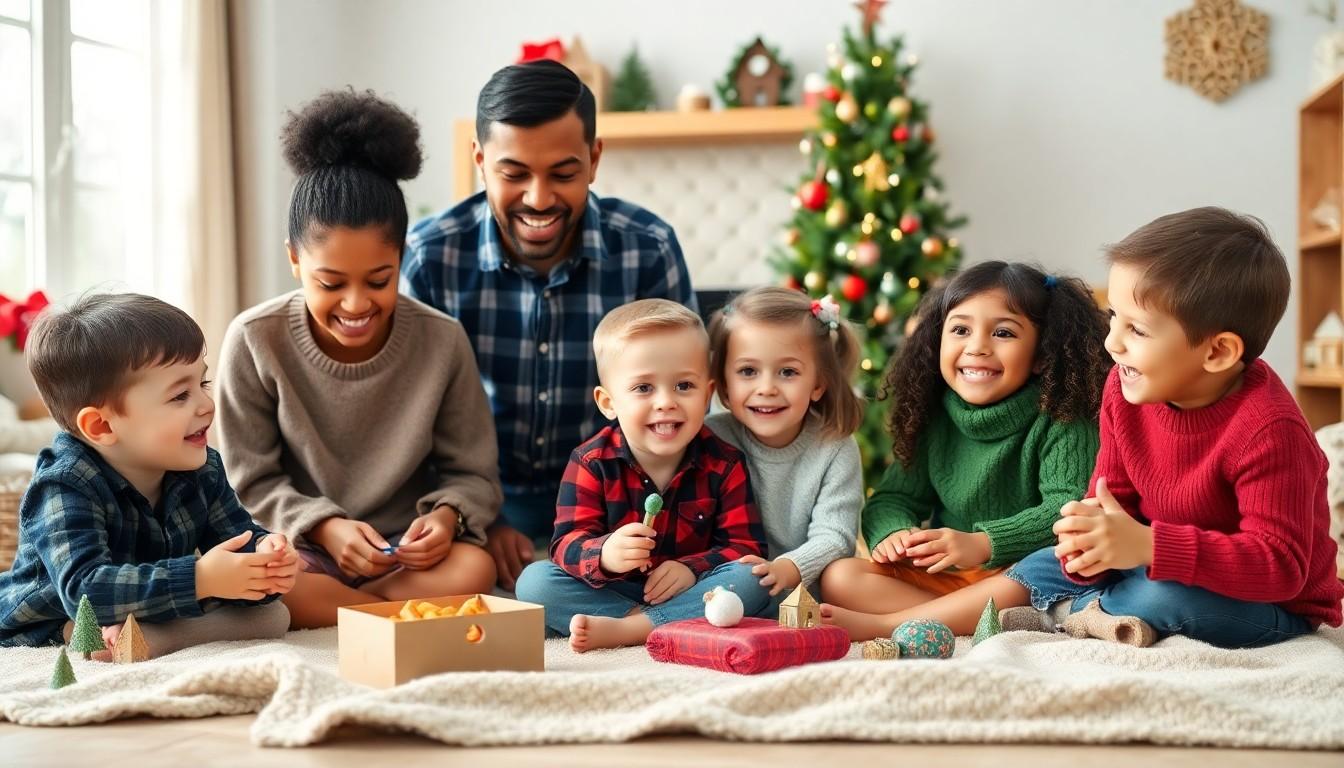

As the school year ends, experts advocate for viewing holidays not as idle time but as an essential opportunity for children to learn resilience, independence, and creativity through unstructured play and shared family experiences, fostering skills that endure beyond the classroom.
As another school year ends, many households fall into the same familiar pattern: activity books, holiday classes, tightly managed days and the anxiety that children might “fall behind”. In that rush to make every hour count, the break begins to look an awful lot like term time.
That may be precisely the moment to ask what holidays are for.
Time away from school is not meant to halt learning, but to change its shape. It gives children a needed pause from timetables, a chance to recover family time and the freedom to have experiences that are often crowded out by lessons, homework and the pressure to perform.
That rest is not idle. The American Psychological Association has noted that unstructured play helps children build resilience, creativity and social skills, while children’s health organisations in North America say it also supports confidence, concentration and emotional growth. In that sense, a holiday morning spent inventing games, exploring outside or simply doing very little may be doing more for a child’s development than another structured class.
Routine still matters, of course. Sleep, meals, hygiene and age-appropriate responsibilities remain important because they give children stability. But holidays allow the pace to soften. Breakfast need not be swallowed in haste, conversations can run longer, visits to grandparents can happen without the pressure of the clock, and the day can breathe a little.
Some of the most valuable lessons do not fit neatly into a workbook. Making a salad together, helping set the table, watering a plant, packing for an outing, reading for pleasure or learning to ride a bicycle all teach children something lasting. They practise independence, planning, language, patience and cooperation. These are skills that rarely appear on a report card, yet they matter deeply.
They also create memory. Years from now, it is unlikely a child will remember how many pages they completed over the summer. More likely, they will remember the adult who taught them to cook a favourite dish, the walk to a new park, the bedtime stories told without hurry or the afternoon when nobody kept checking the time.
That is why the holiday should be seen not as empty time to be filled, but as a different kind of education. Children learn when they play, when they explore, when they talk, when they help and when they feel part of the ordinary life of a family. The true value of the break lies in preserving that balance: enough routine to feel secure, enough freedom to feel rested, and enough shared time to make the season meaningful.
Disclaimer: This content is for informational purposes only and is not intended to be a substitute for professional medical judgment, advice, diagnosis, or treatment.