
As schools reopen, experts emphasise teaching children critical thinking and safety skills, alongside fostering routines and social inclusion to support their well-being and academic success.
As another school year begins, the most valuable lesson may be the simplest one: children should be taught how to think, not what to think. That idea, attributed to Margaret Mead, runs through Susan Black Steen’s annual back-to-school reflection, which argues that education should help young people question, judge and decide for themselves rather than simply absorb answers.
Steen pairs that message with a practical plea about road safety. Children, she writes, should be taught to walk on the left side of the street so they can face oncoming traffic, a precaution she says is especially important around busy schools and neighbourhood roads. The National Highway Traffic Safety Administration has said about 16% of children killed in traffic crashes are pedestrians, and that facing traffic reduces risk because drivers and walkers can see each other sooner.
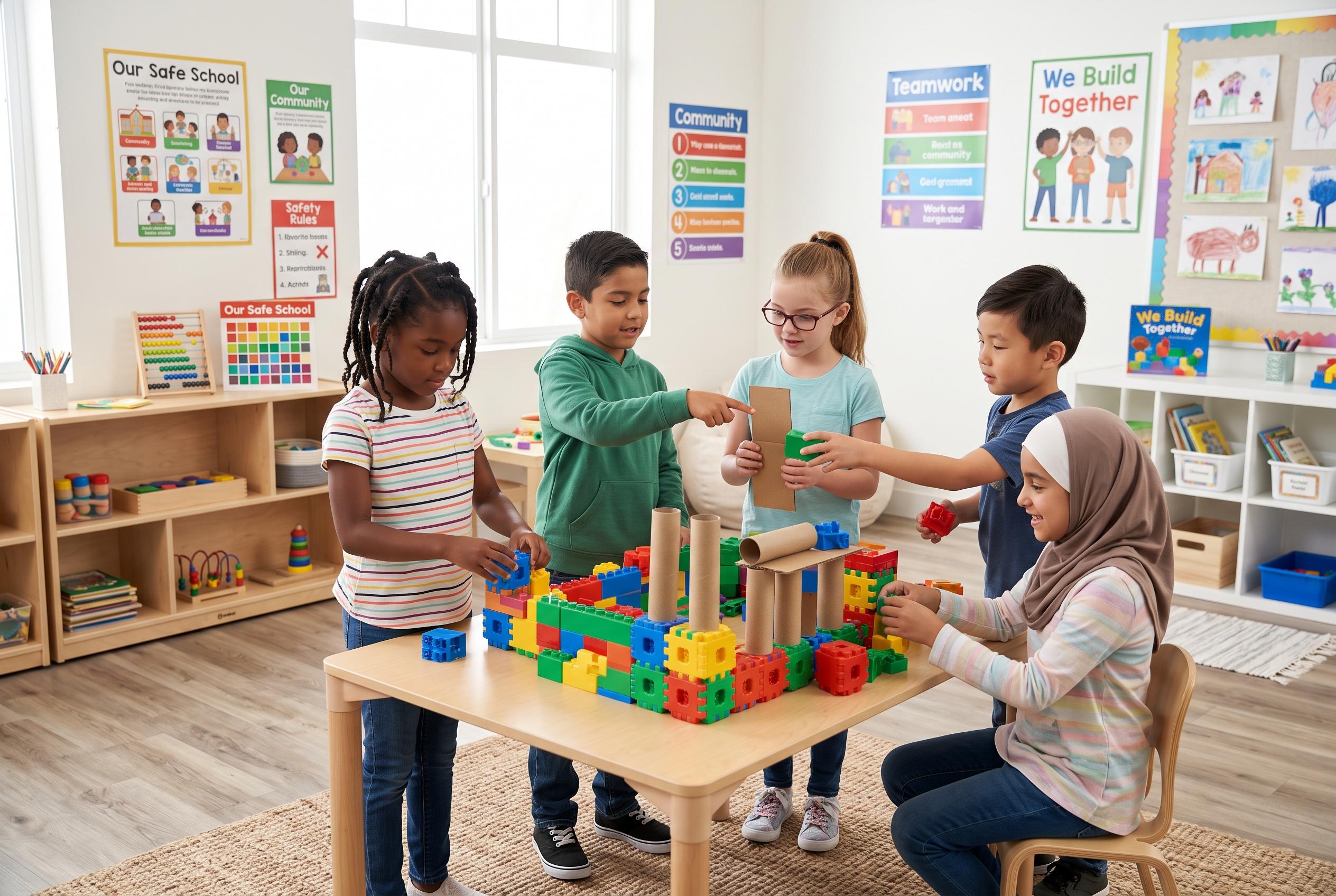
Her column also stresses that school is about far more than academic work. Citing John Dewey’s view that education is life itself, Steen argues that classrooms should help children build confidence, friendships, creativity and the ability to work both with others and on their own. Research from the National Institutes of Health, based on more than 80 studies over 30 years, has linked a strong sense of belonging at school with better academic motivation, stronger mental health and fewer risky behaviours.
Steen gives similar weight to routines. She recalls teachers who helped children organise their days and notes that predictable patterns can make school and home life calmer. A 2015 study in the Journal of Abnormal Child Psychology found that routines can reduce anxiety by lowering cognitive load, supporting her argument that structure helps children cope with stress.
She also returns to bullying, saying it can come from students and, at times, from teachers who misuse their authority. A 2017 study in Teaching and Teacher Education found that around 30% of students identified teachers as bullies, with behaviour ranging from humiliation and sarcasm to unfair discipline and exclusion. Steen says the best response is not only punishment but also the teaching of empathy, emotional control and healthier social skills.
Her closing message is directed at parents, teachers and students alike: create a place where children feel they belong, build routines that work and make school a place of safety and growth. As Frederick Douglass put it, “It is easier to build strong children than to repair broken men.”
Disclaimer: This content is for informational purposes only and is not intended to be a substitute for professional medical judgment, advice, diagnosis, or treatment.