
Patricia Vlad’s innovative platform LevelUp uses the Big Five personality model to help schools, parents, and children better understand learning preferences and emotional wellbeing, challenging traditional measures of academic success.
For Patricia Vlad, teaching was never simply about delivering a syllabus. It was about understanding how children think, what drives them and how they make sense of the classroom as individuals. In her work as an educator, she saw that schools often measured success through grades and test results while overlooking factors such as confidence, motivation and emotional development. That gap, she concluded, left teachers without practical tools, parents without enough visibility and pupils without a clear vocabulary for how they learn best.
That insight became the basis for LevelUp, a product Vlad describes as a research-led way to bring students, teachers and parents into closer alignment. The company’s website says the tool is a free, game-based personality test for children aged 5 to 15 and that it takes about 20 minutes to complete. It is built around the Big Five personality model, a framework that divides personality into openness, conscientiousness, extraversion, agreeableness and emotional stability or neuroticism, depending on the source. The aim is to turn those traits into something children and adults can understand and use in day-to-day learning.
The idea is rooted in a wider body of research suggesting personality can matter in education. A study published on ScienceDirect found that Big Five traits and learning styles together helped explain academic performance among college students, while Open University course material describes the model as a broad, established way to interpret behaviour. Michigan State University Online has also argued that understanding personality traits can improve how people work together and lead, a point that translates readily into classrooms where dynamics are just as important as content.
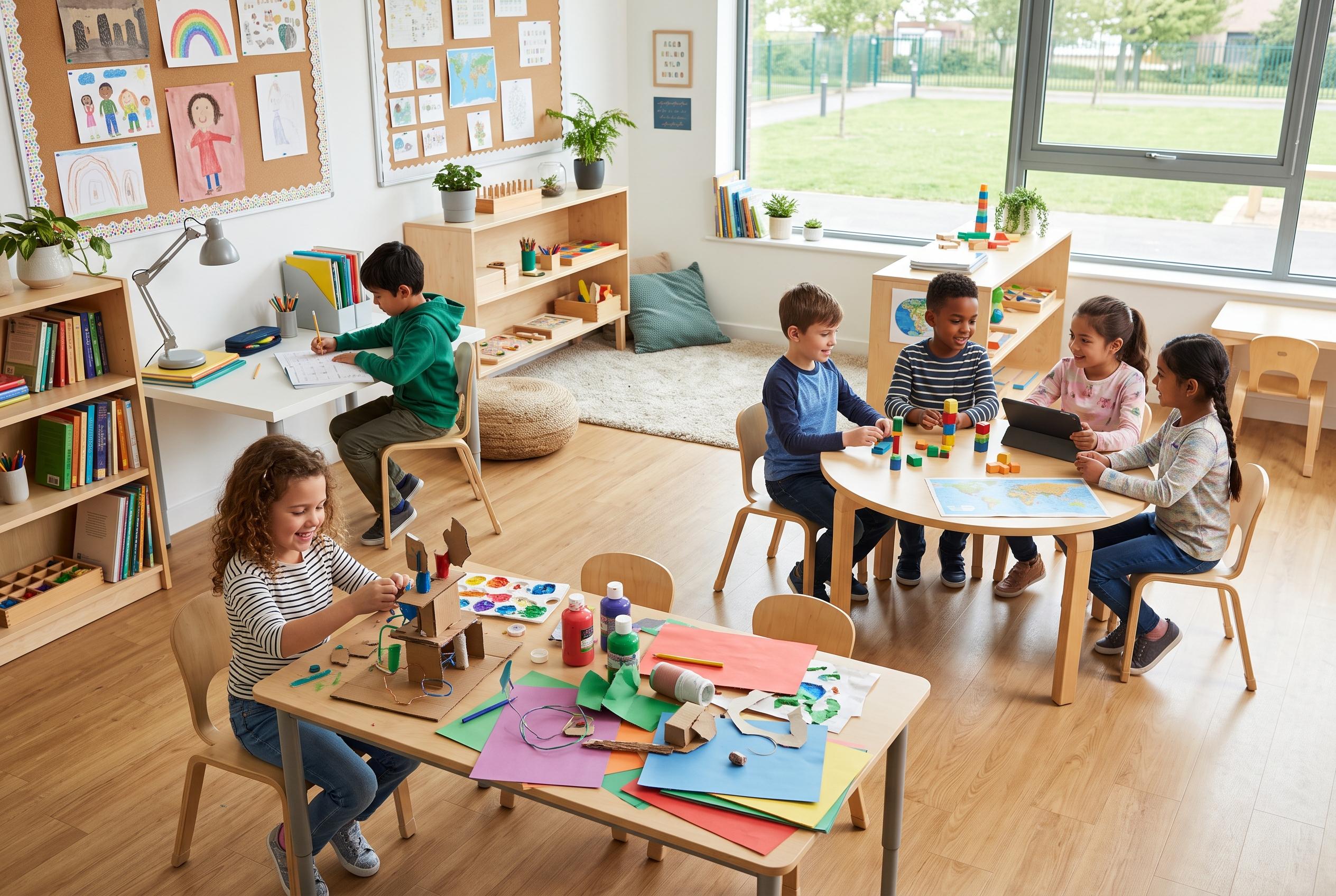
LevelUp’s own blog presents the same philosophy in more practical terms, framing the child as a whole person rather than a set of scores. The site says the platform is intended to help parents and educators recognise learning preferences and support emotional literacy and personal motivation. In one example shared by the company, a parent said her daughter, Mia, responded better once her profile showed stronger traits linked to openness and extraversion. Instead of relying only on textbooks, the family began using documentaries, art projects and science experiments at home, which the parent said made homework feel less like a battle and more like a shared activity.
Building the business was not straightforward. Vlad had to move from the certainty of the classroom into product development, learning about software, data and user design along the way. She also faced scepticism from some educators who were unsure whether personality-based insights belonged in formal education. But she kept the project going with help from psychologists, teachers and technologists, betting that schools would eventually welcome tools that support not just academic progress but self-awareness, confidence and adaptability as well.
Disclaimer: This content is for informational purposes only and is not intended to be a substitute for professional medical judgment, advice, diagnosis, or treatment.