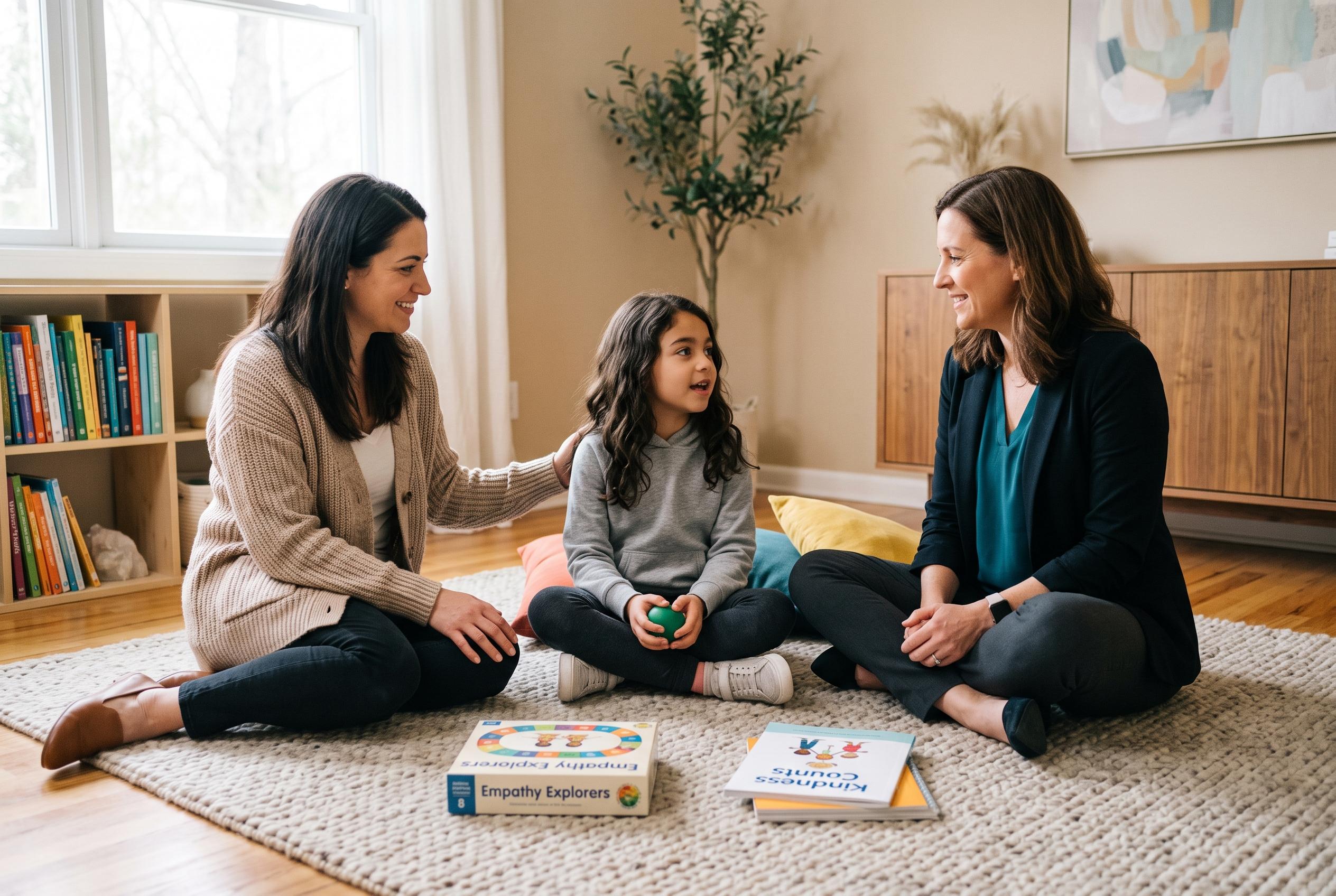

Parents and schools are urged to adopt calm, supportive, and structured responses to reduce harm and empower children facing bullying, according to recent expert advice and best practices.
Parents facing a bullying complaint from a child are often tempted to act fast, but the first step is usually to listen. A calm response can make it easier for a child to keep talking, and help adults understand whether the behaviour is a one-off conflict or part of a wider pattern. STOMP Out Bullying says children should never be expected to handle harassment alone, and that retaliation is neither a safe nor effective answer.
What a child describes as bullying may range from repeated insults and social exclusion to online harassment or physical intimidation. Johns Hopkins Medicine notes that families should look beyond the incident itself and pay attention to whether the child is withdrawing, losing confidence or avoiding school. The distinction matters, because some situations are ordinary conflict, while others involve repeated harm and a power imbalance that needs a more structured response.
Parents are urged to reassure children that they were right to speak up, that they are not to blame and that help is available. StopBullying.gov advises adults to focus on the child’s safety and wellbeing rather than telling them to simply ignore the behaviour. Harvard Health also recommends validating a child’s feelings before moving to problem-solving, so the child does not feel dismissed or blamed.
A practical response plan can include short, assertive phrases such as “Stop” or “Leave me alone”, but only when it is safe to speak up. Cleveland Clinic advises children to stay near trusted friends and authority figures, while STOMP Out Bullying says walking away can be the stronger option when a confrontation could escalate. Parents can rehearse these responses at home so the child has a plan ready, rather than improvising in the moment.
Schools should be brought in when the behaviour is repeated, threatening or interfering with a child’s ability to learn and take part in school life. Clear records help: dates, locations, what was said or done, who saw it and how the school responded. Johns Hopkins Medicine and StopBullying.gov both stress that adults should work with the school, not around the child, to reduce harm and improve safety.
Some cases require immediate action, especially if there are threats, weapons, sexual harassment, stalking, extortion or signs of serious injury or self-harm risk. In those circumstances, the child should not be left alone while adults arrange the right school, medical, mental health or emergency response. STOMP Out Bullying also recommends helping children rebuild confidence afterwards through supportive relationships, activities and regular conversations that are not only about the bullying.
Disclaimer: This content is for informational purposes only and is not intended to be a substitute for professional medical judgment, advice, diagnosis, or treatment.