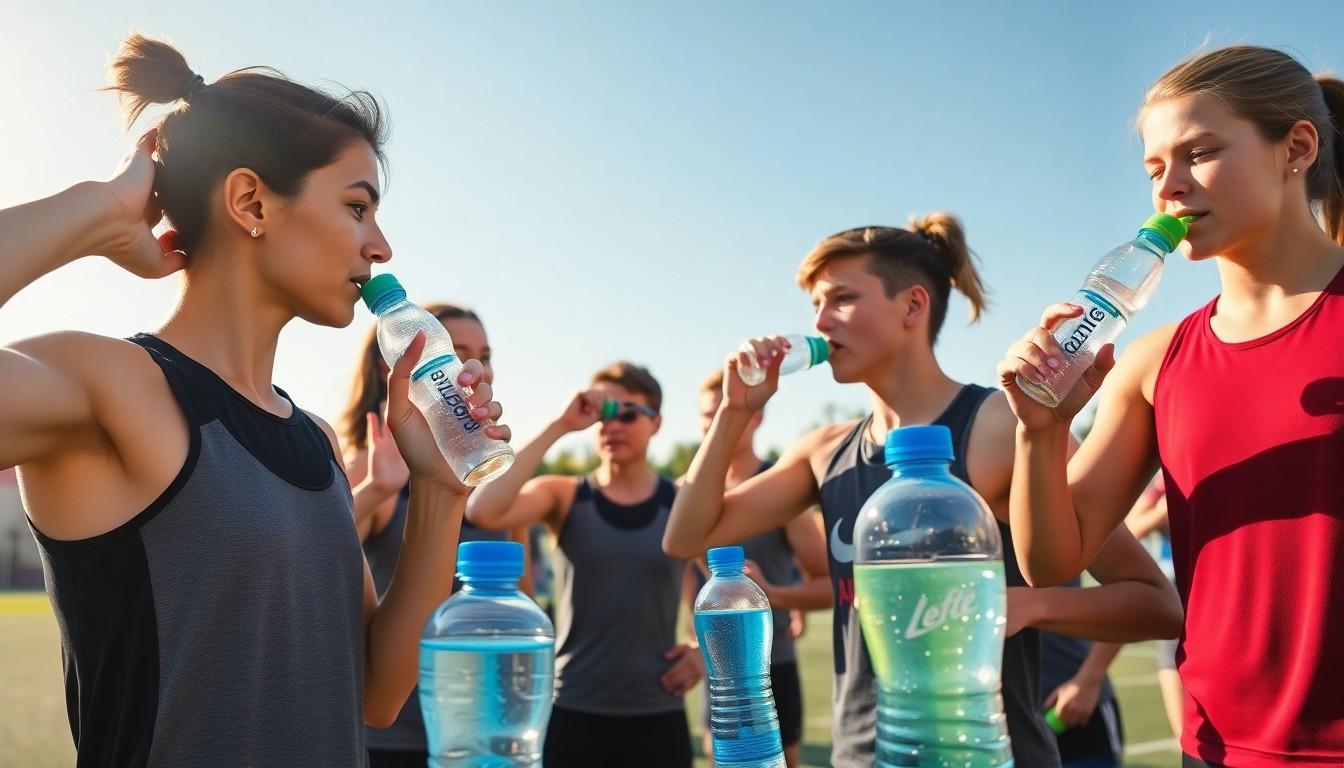

With summer heat persisting and sports season underway, health experts urge young athletes, coaches, and families to prioritise hydration as a vital part of training and safety strategies to prevent heat-related illnesses.
As summer heat lingers and school sport begins to ramp up, young athletes are being urged to treat hydration as part of training rather than an afterthought. In a column for the Durango Herald, Nicole Clark of the La Plata County Extension Office said children often arrive at practice already short on fluids, and that preparation before exercise, not just recovery afterwards, can make a meaningful difference to performance, mood and safety.
The risk is not confined to elite competition. The US Centres for Disease Control and Prevention says athletes should reduce exposure during the hottest part of the day, pace exertion, wear suitable clothing and drink more water than usual when training in hot conditions. It also recommends that teammates and coaches watch for signs of trouble and move anyone who feels faint or weak into a cooler place immediately.
Doctors say young people are especially vulnerable because they generate more heat relative to their size and may not begin sweating as efficiently as adults. Johns Hopkins Medicine says athletes should build up intensity gradually over 10 to 14 days when returning to warm-weather training, a process known as acclimatisation, and should be alert to symptoms such as dizziness, disorientation, headache and unusual behaviour.
Health experts also distinguish between heat exhaustion and the more dangerous heat stroke. Clark noted that heat stroke can involve confusion, stopping sweating, a body temperature above 105 degrees Fahrenheit or loss of consciousness, and requires urgent medical attention. Heat exhaustion is often marked by nausea, weakness, cramps, dark urine and heavy sweating, according to Johns Hopkins and the CDC.
The advice on fluid intake is broadly consistent across paediatric and sports-medicine guidance: drink before, during and after activity, and do not wait until thirst becomes obvious. The American Academy of Pediatrics recommends regular water breaks during vigorous exercise, with electrolyte drinks becoming more relevant when sessions last more than an hour or when athletes are sweating heavily. University Hospitals Rainbow Babies & Children’s Hospital says thirst is a late signal and that performance can already be affected before an athlete feels it.
Clark’s column offered a practical template for families and coaches, suggesting water before exercise, regular drinks during play and replenishment afterwards, while also pointing to fruit and vegetables as useful sources of fluid. Her broader message was simple: the heat may be unavoidable, but dehydration does not have to be.
Disclaimer: This content is for informational purposes only and is not intended to be a substitute for professional medical judgment, advice, diagnosis, or treatment.