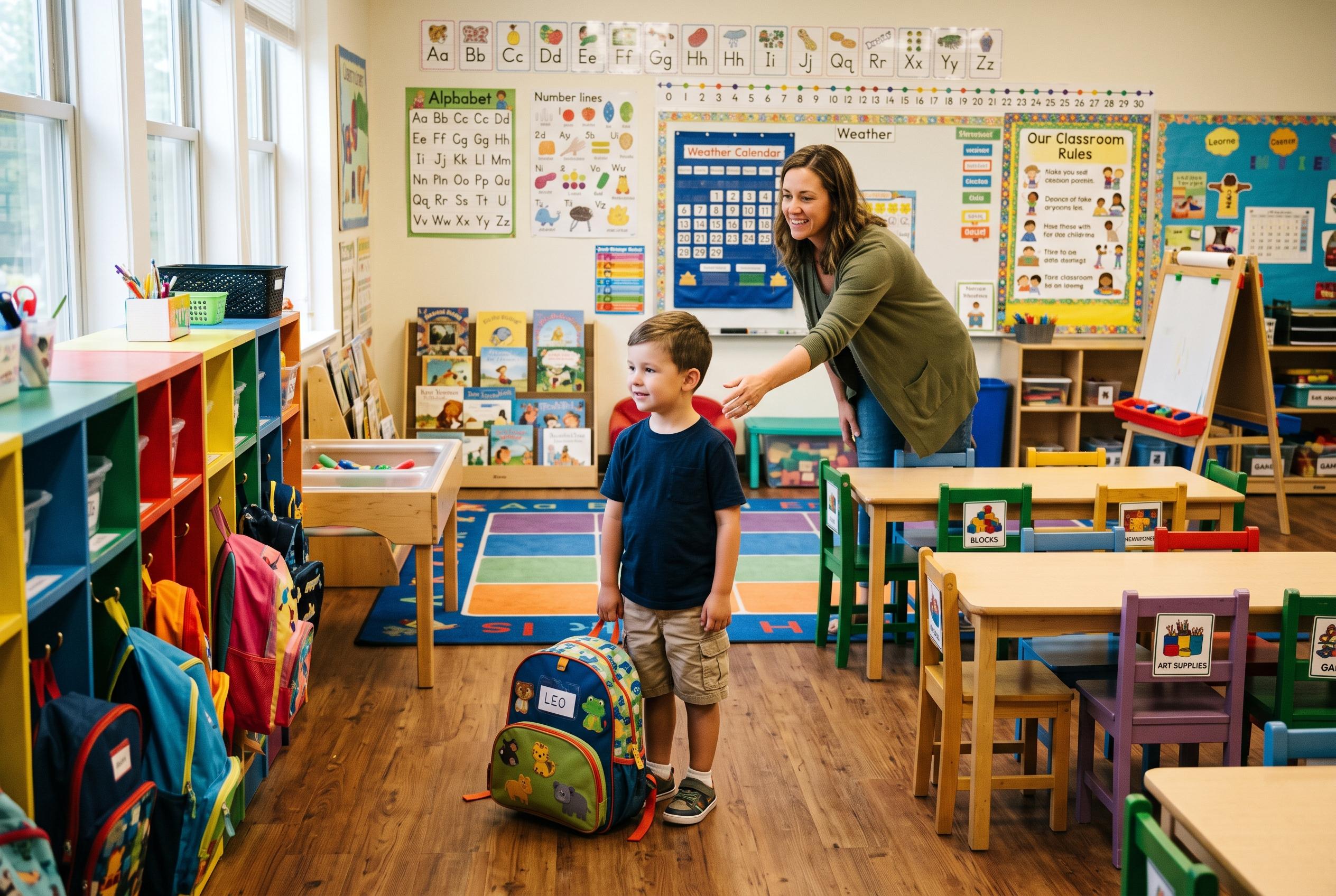

Experts advise early routines, positive language and campus visits to make children’s first day at kindergarten less stressful for families and educators alike.
The first morning of kindergarten is a rite of passage for children and parents alike, bringing excitement, nerves and a long list of practical questions. Preparing early can ease the transition, and experts and school districts say small steps such as building a routine, talking positively about school and visiting the campus ahead of time can help children arrive feeling more secure and ready to learn.
Families can often reduce anxiety by shifting bedtime and wake-up times one to two weeks before classes begin, according to guidance from Begin Learning and the University of Utah Health. Practising the basics of the school day at home, such as getting dressed quickly, eating breakfast on schedule and packing a bag the night before, can make the first few mornings feel far less chaotic.
Parents are also encouraged to frame school as an adventure rather than a worry. Parent Intel and Begin Learning both recommend using upbeat, specific language about friends, playground time, reading and meeting the teacher, while avoiding questions that may plant fear. A visit to the school, whether through an open house, orientation or even a drive-by, can make the building and classroom feel more familiar.
Independence matters, too. ParentMap, Parent Intel and University of Utah Health all note that children feel more confident when they have had a chance to practise opening lunch containers, zipping coats, washing hands and carrying their own backpack. Letting a child choose a backpack, lunchbox or other supplies can also create a sense of ownership and excitement before the first bell rings.
Drop-off is often the hardest moment for adults, but educators say a brief, cheerful goodbye tends to work best. More4Kids advises keeping the farewell warm and short, then trusting the classroom routine to take over. After school, children may be tired, clingy or quiet, and Federal Way Public Schools says that is a normal part of the adjustment as young students learn the rhythms and expectations of a new environment.
Disclaimer: This content is for informational purposes only and is not intended to be a substitute for professional medical judgment, advice, diagnosis, or treatment.