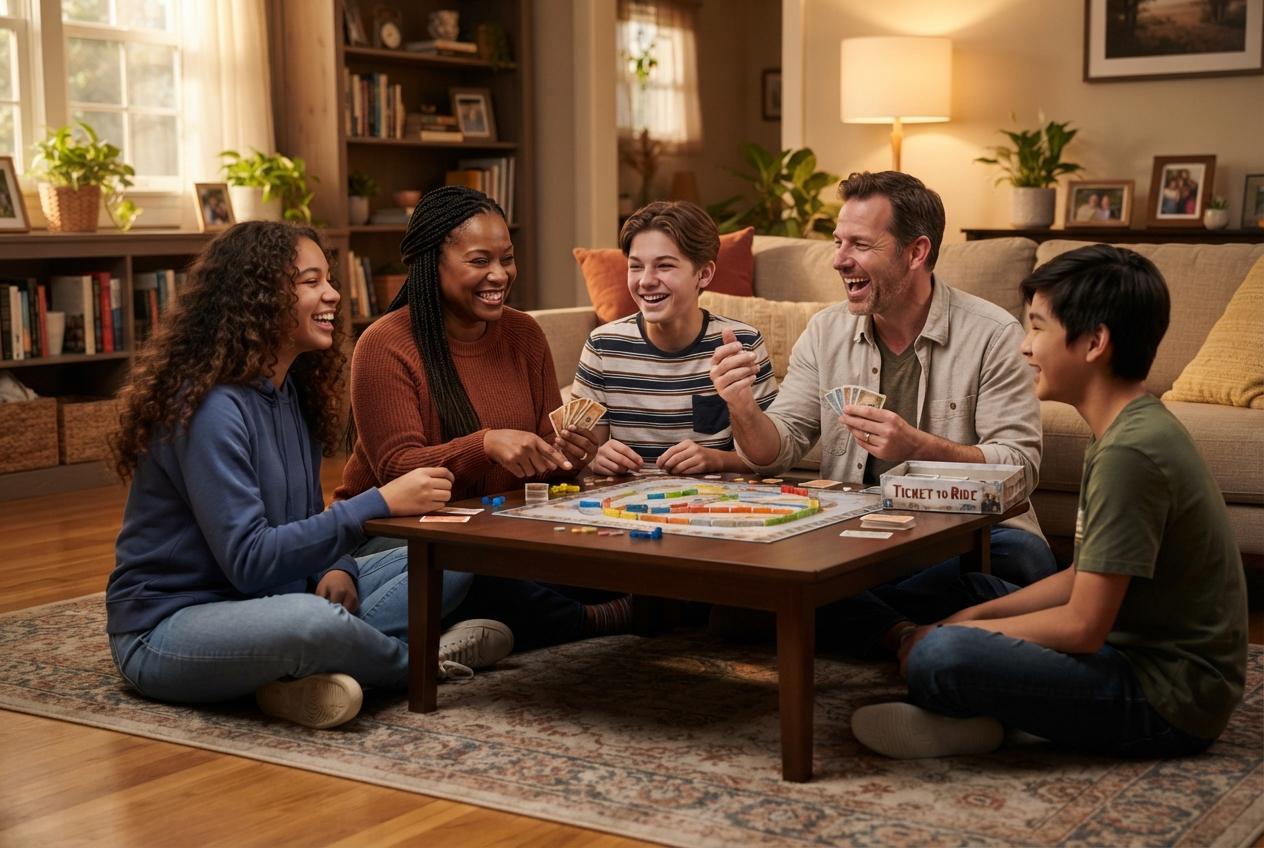

Research suggests that engaging teens with playful, relaxed activities fosters more open conversations than formal discussions, helping to strengthen family bonds.
Teenagers are more likely to talk when conversation feels like play rather than an assignment, according to Positive Psychology. That is the central idea behind a set of low-pressure activities for parents and teens that are meant to open up conversation without turning family time into an interrogation.
Among the suggestions are parent-versus-teen trivia, in which each person writes questions about themselves for the other to answer, and “teach me something”, where the teenager takes the lead for a few minutes on a subject they know well. Positive Psychology also recommends lighter options such as “hot takes”, playlist swaps and “who’s most likely to?” exercises, all designed to prompt opinions, memory and humour rather than formal discussion.
The article argues that the best results come when parents avoid treating the game as a covert way to pry. If a teen does not want to answer a question, the answer can simply be skipped. That approach matters because, as the site notes, studies on adolescent disclosure suggest that young people are influenced by how their parents react when they do open up. Other resources aimed at families and educators make the same broader point: Talk About It! markets card and dice games for building trust with teens, while Harvest Time Partners and Youth Group Games both emphasise conversation prompts that feel natural rather than forced.
Other ideas from the Positive Psychology roundup include “ask me anything” and a “dream team challenge”, both of which ask parents and teens to collaborate on short, structured tasks. Similar family-focused tools from Greenlight and FreeSLP highlight the value of games that strengthen listening, teamwork and social skills, whether through classic activities such as “Two Truths and a Lie” or more guided exercises used in speech therapy. SecureTeen likewise recommends cooperative, low-pressure activities, including board games, card games and even walks, as settings that can make it easier for teens to talk.
The broader message is that connection does not require perfect conversations. A short, enjoyable game can sometimes do more than a long, scripted attempt at bonding, particularly if both sides have a say in what they play and when to stop.
Disclaimer: This content is for informational purposes only and is not intended to be a substitute for professional medical judgment, advice, diagnosis, or treatment.