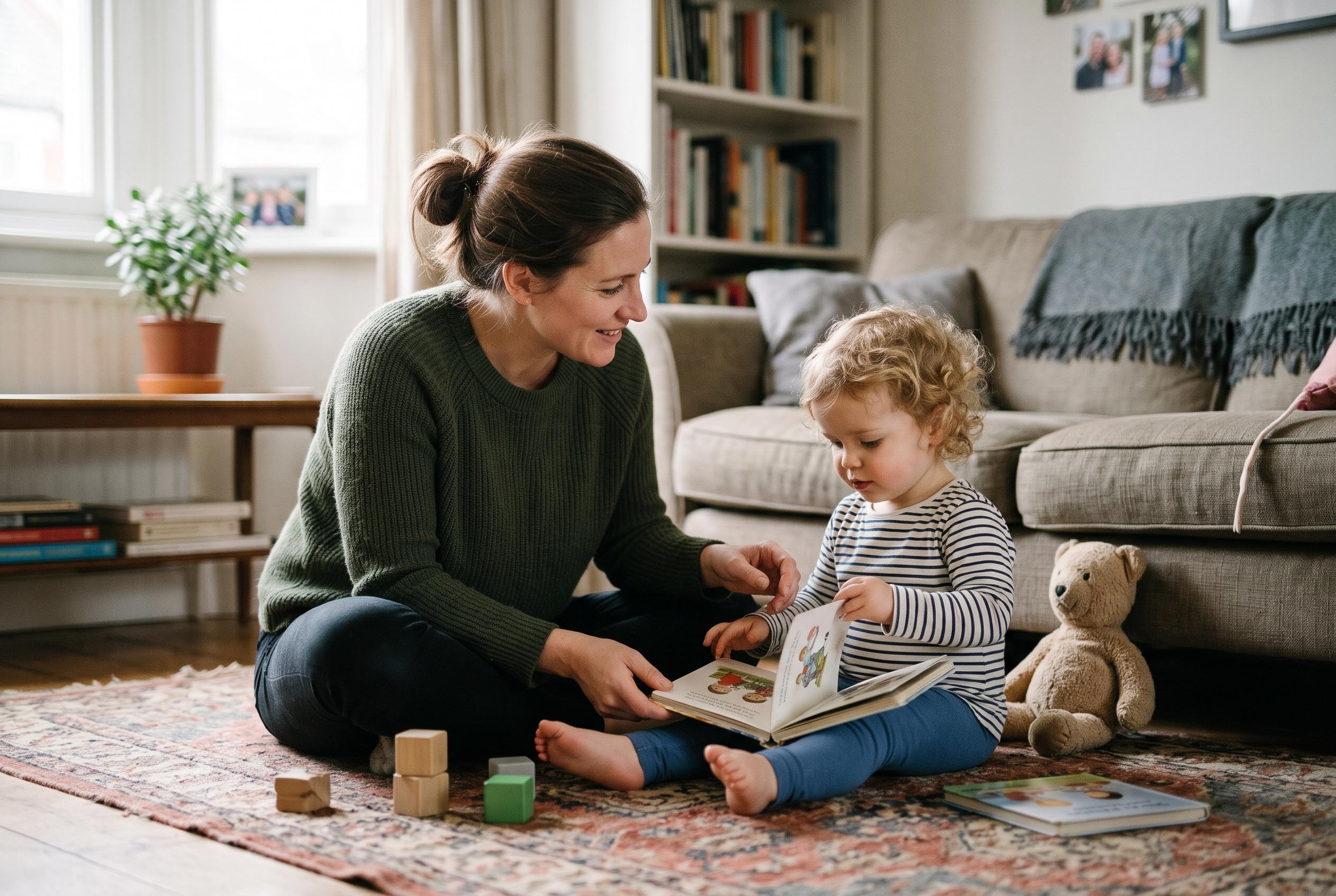

Cognitive psychology researcher Héctor Ruiz Martín challenges the idea that the first three years determine a child’s future, arguing that steady care, shared reading and everyday play matter more than costly stimulation or flawless parenting.
Parents often hear that the first three years of life determine everything that comes after. But Héctor Ruiz Martín, a cognitive psychology researcher and science communicator, argues in his book “¿Cómo aprenden los bebés?” that this idea is too blunt to be useful. As he presents it, the so-called “three-year myth” is not one claim but a cluster of beliefs built around the fear that anything that happens from birth to age three will leave an irreversible mark. In reality, he says, early childhood is important, but most cognitive, social and emotional development depends on ordinary, everyday care rather than extraordinary measures.
That message is echoed by Harvard’s Center on the Developing Child, which says responsive back-and-forth exchanges, often described as “serve and return”, help build the neural pathways linked to language, communication and social skills. In other words, a baby does not need a carefully engineered programme to thrive. Simple attention, eye contact, touch, words and comforting responses matter because they give the child repeated chances to learn from human interaction. Ruiz Martín makes a similar point when he argues that families should not panic about doing everything perfectly. What matters most, he says, is being present, offering steady care and setting reasonable limits, because that kind of consistency helps children begin to develop self-regulation.
Where he does see a particularly valuable opportunity is language. The American Academy of Paediatrics advises parents that shared reading can begin from birth, even before babies understand words, because they absorb rhythm, tone and sound long before they can speak. Ruiz Martín says reading and talking to children expands vocabulary in a way everyday conversation often cannot, because written language is richer and more varied. That distinction matters, he argues, because language does not just help children communicate; it also helps them organise thought, build concepts and later improve reading comprehension. Research on infant-directed speech supports that view. Studies suggest the slower, more expressive way adults often speak to babies can make early word learning easier, especially at the start of vocabulary development.
Ruiz Martín also warns against confusing stimulation with development. More pictures, more products and more structured activities do not automatically produce a brighter child. The American Academy of Paediatrics has similarly cautioned against claims that classical-music products or the so-called Mozart effect can boost intelligence, saying such promises are not supported by evidence. Too much stimulation, Ruiz Martín says, can even be counterproductive if it creates stress or overload. By contrast, ordinary play, especially with caregivers, gives children the best chances to explore, practise and learn. He also points to “motherese”, or baby talk, as something natural rather than artificial. It appears across cultures, suggesting it serves an adaptive role, particularly in helping infants hear the structure of speech and begin to separate words from the stream of sounds.
The book also takes a more nuanced view of brain plasticity and the balance between genetics and environment. Ruiz Martín explains that the brain changes as we learn, and that this flexibility is greatest when we are young, though it continues throughout life. Researchers distinguish between experience-expectant plasticity, which relies on common inputs such as vision and language, and experience-dependent plasticity, which reflects the specific things a child encounters and learns. That distinction helps avoid the oversimplified idea that either genes or upbringing alone determine who a child becomes. The better question, he suggests, is how both interact. For parents, the practical takeaway is reassuring: children do not need perfect parenting or constant novelty. They need care, conversation, attention and the chance to play.
Disclaimer: This content is for informational purposes only and is not intended to be a substitute for professional medical judgment, advice, diagnosis, or treatment.