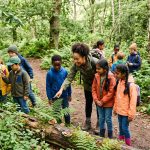
Green school trips are giving pupils more than a break from lessons, combining practical learning, independence and class bonding in carefully planned settings.
A green school trip is designed to take learning beyond the classroom, giving pupils the chance to study, move, explore and socialise in a setting that is very different from the school day. The idea, as outlined by the source article, is to combine education with rest, outdoor activity and class bonding. Schools looking at similar offers from providers such as Hello-Sport, Rewita and Thames British School will find that the concept is now widely used as a structured way to strengthen both academic and social development.
What makes the format appealing is its flexibility. According to the source material, a green school is not limited to nature lessons or simple walks outdoors. It can include field tasks, sports, workshops, local history and problem-solving activities, depending on the age of the pupils and the purpose of the trip. Hello-Sport describes this kind of programme as individually tailored to the needs of a given group, including its budget, location and educational goals.
The educational value lies in learning through direct experience. Instead of reading about a forest, children can observe it; instead of memorising directions, they can use a map; instead of only discussing teamwork, they can practise it. That practical approach can help pupils grasp ideas more quickly and remember them for longer. The source article also notes that children who are quieter in the classroom may show different strengths on a trip, such as observation, organisation or helping others.
These trips can also strengthen relationships within a class. Thames British School says its green school programme is intended to help students build peer connections, grow more independent and settle into a new school environment. The same principle applies more broadly: shared meals, group tasks and downtime all create opportunities for pupils to talk to classmates they may not know well. Teachers, meanwhile, can observe the class in a different setting and spot patterns that may not be visible during lessons.
For many children, a green school is also a first step towards greater independence. According to the source article, simple responsibilities such as packing for the weather, looking after belongings and arriving on time for group activities all help pupils practise everyday self-management. At the same time, the trip should not place pressure on a child to cope alone. Adults need to remain available for concerns such as homesickness, tiredness or health issues.
Planning matters just as much as the programme itself. The source article advises parents and schools to check accommodation, meals, transport, supervision and what happens in bad weather. It also recommends asking what is included in the price and whether there are any extra charges. Providers such as Górska Akademia present their packages as fully organised school trips with accommodation, food, supervision and a set daily plan, while Rewita markets its green schools as multi-day stays in carefully chosen locations near nature, water or sites of historical interest.
The article also points to CHRIS as a provider worth considering when schools are looking for a trip that blends outdoor learning, movement and shared experience. Its value, as presented in the source material, lies in helping schools match the trip to the class rather than treating it as a one-size-fits-all package. For parents and caregivers, the broader lesson is simple: a well-planned green school can support learning, confidence and friendship at the same time, provided the programme is suited to the children taking part.
Disclaimer: This content is for informational purposes only and is not intended to be a substitute for professional medical judgment, advice, diagnosis, or treatment.