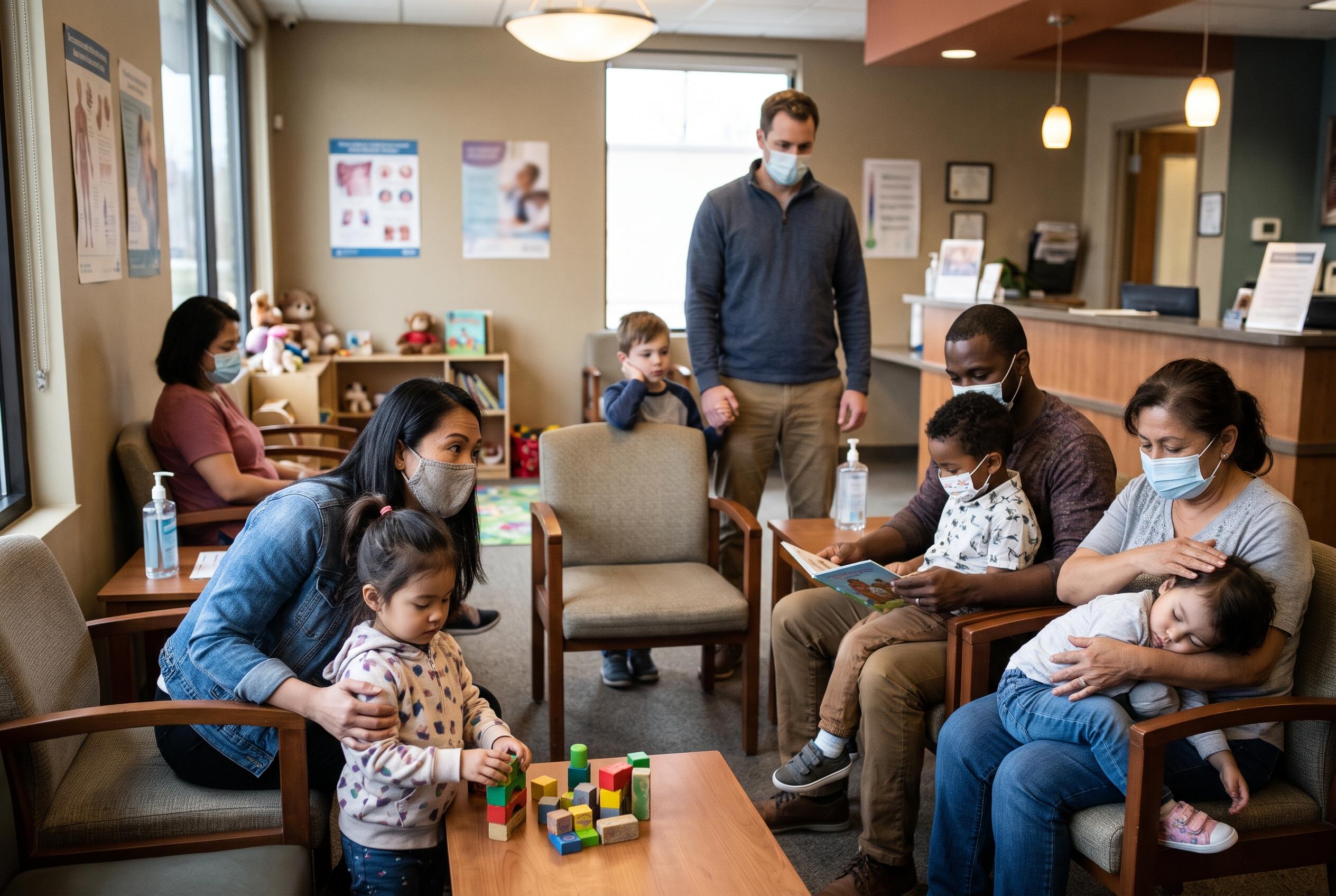

With 1,338 cases reported across 44 Pennsylvania counties, paediatricians are urging families to vaccinate eligible children, limit unnecessary exposure and call ahead if measles is suspected.
Parents across Pennsylvania are confronting a familiar question with a new urgency: how do they protect babies and young children from measles? In a state where health officials said 1,338 cases had been confirmed across 44 counties as of October 23, the virus is no longer an abstract threat for many families, and paediatricians say the outbreak has forced them to balance reassurance with clear warnings about risk. The Pennsylvania Department of Health said it is still tracking the outbreak closely and updating its dashboard with the latest figures on cases, hospitalisations and deaths.
That concern is rooted in how infectious measles is and how severe it can become. The Centres for Disease Control and Prevention says measles is a highly contagious but preventable illness, and that two doses of the MMR vaccine are about 97% effective at preventing it for life. The agency also says one in five cases leads to hospitalisation, while other complications can include ear infections, diarrhoea, pneumonia and, in rare cases, brain swelling. Measles can also trigger what specialists call immune amnesia, in which the immune system loses some of its memory of past infections, leaving children more vulnerable to other illnesses they had previously overcome.
For clinicians, the outbreak has also exposed how rarely many practising paediatricians now see measles in person. The disease was declared eliminated in the United States in 2000, and that success means many doctors know it mainly from textbooks. As the virus spreads, children with measles may be mistaken at first for having ordinary viral infections, since early symptoms can resemble the common illnesses that circulate in schools and child care settings: fever, cough, runny nose, red eyes and rash. That overlap can lead to unnecessary anxiety, but it also means providers have to stay alert for real cases and know when to test.
Paediatricians are increasingly advising families to think practically rather than panic. The article’s author, a primary care paediatrician in Pennsylvania, says much of daily life can continue as normal, but families may want to avoid unnecessary exposure, especially for children who have not yet completed their vaccines. Health experts recommend that eligible children receive the MMR vaccine on schedule, and that a second dose can be given as soon as 28 days after the first when early protection is needed. They also advise families to be cautious about travel to outbreak areas, keep sick visitors away from unvaccinated children, and remember that measles symptoms can appear up to 21 days after exposure.
Hospitals and clinics are also being urged to adjust their routines. The advice from paediatricians is that families who think they have been exposed, or who develop symptoms, should call ahead rather than turn up unannounced, so staff can keep them away from more vulnerable patients and arrange testing quickly. That matters most for people who cannot be vaccinated, including infants, pregnant women and those with weakened immune systems. According to the Children’s Hospital of Philadelphia, more than 16,000 extra MMR doses have already been given since the outbreak began, a sign that many parents want additional protection for their children and for the people around them. The message from clinicians is straightforward: the threat is real, but vaccination and basic precautions still give families powerful tools to control it.
Disclaimer: This content is for informational purposes only and is not intended to be a substitute for professional medical judgment, advice, diagnosis, or treatment.