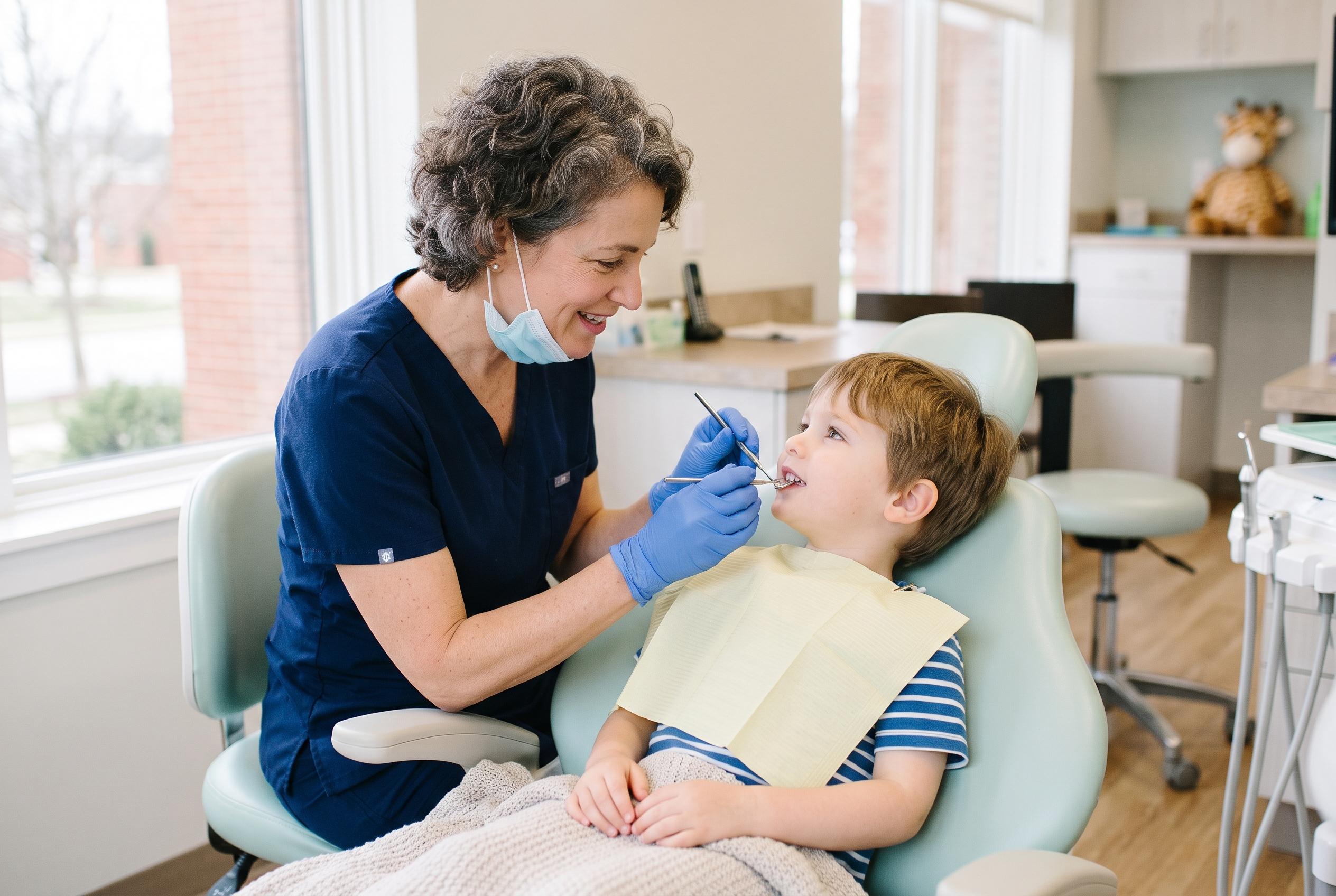

A large trial found that silver diamine fluoride stopped 54% of cavities in baby teeth after six months, offering a less invasive option for treating severe decay in very young children.
A large clinical trial suggests silver diamine fluoride may offer a simpler way to manage severe tooth decay in very young children, with researchers reporting that the liquid treatment arrested cavities in just over half of affected baby teeth. The University of Michigan-led study, published in JAMA Pediatrics, found that 54% of treated lesions had stopped progressing after six months, compared with 22.5% in the placebo group.
The findings matter because the children enrolled were between 12 and 71 months old, an age range in which standard restorative dental work can be difficult, distressing or impractical. The trial followed 830 generally healthy children recruited through dental and medical clinics, as well as Head Start and preschool programmes in Michigan, New York and Iowa. Researchers gave participants either 38% silver diamine fluoride or a placebo at the start of the study and again six months later, then assessed them over eight months.
The treatment is already used by many dentists in an off-label capacity, but the American Dental Association says the product is formally cleared in the United States for tooth sensitivity rather than for cavity treatment. Silver diamine fluoride is applied with a small brush, requires no drilling or injections, and does not usually need sedation. Its main drawback is cosmetic: the material darkens decayed tooth tissue permanently, which can be a concern for families even when the approach avoids more invasive care.
Researchers said adverse events were broadly similar in the treatment and placebo groups, and the study was designed to build the evidence needed for a formal approval pathway. Separately, recent dental research has pointed to silver diamine fluoride’s usefulness in other settings too, including preventing decay in first permanent molars and limiting radiation-related caries in cancer patients. For parents and clinicians, the new paediatric trial strengthens the case for considering the treatment in children who are too young or too anxious for conventional restorative procedures, while also underscoring that it is not a substitute for ongoing dental monitoring and preventive care.
Disclaimer: This content is for informational purposes only and is not intended to be a substitute for professional medical judgment, advice, diagnosis, or treatment.