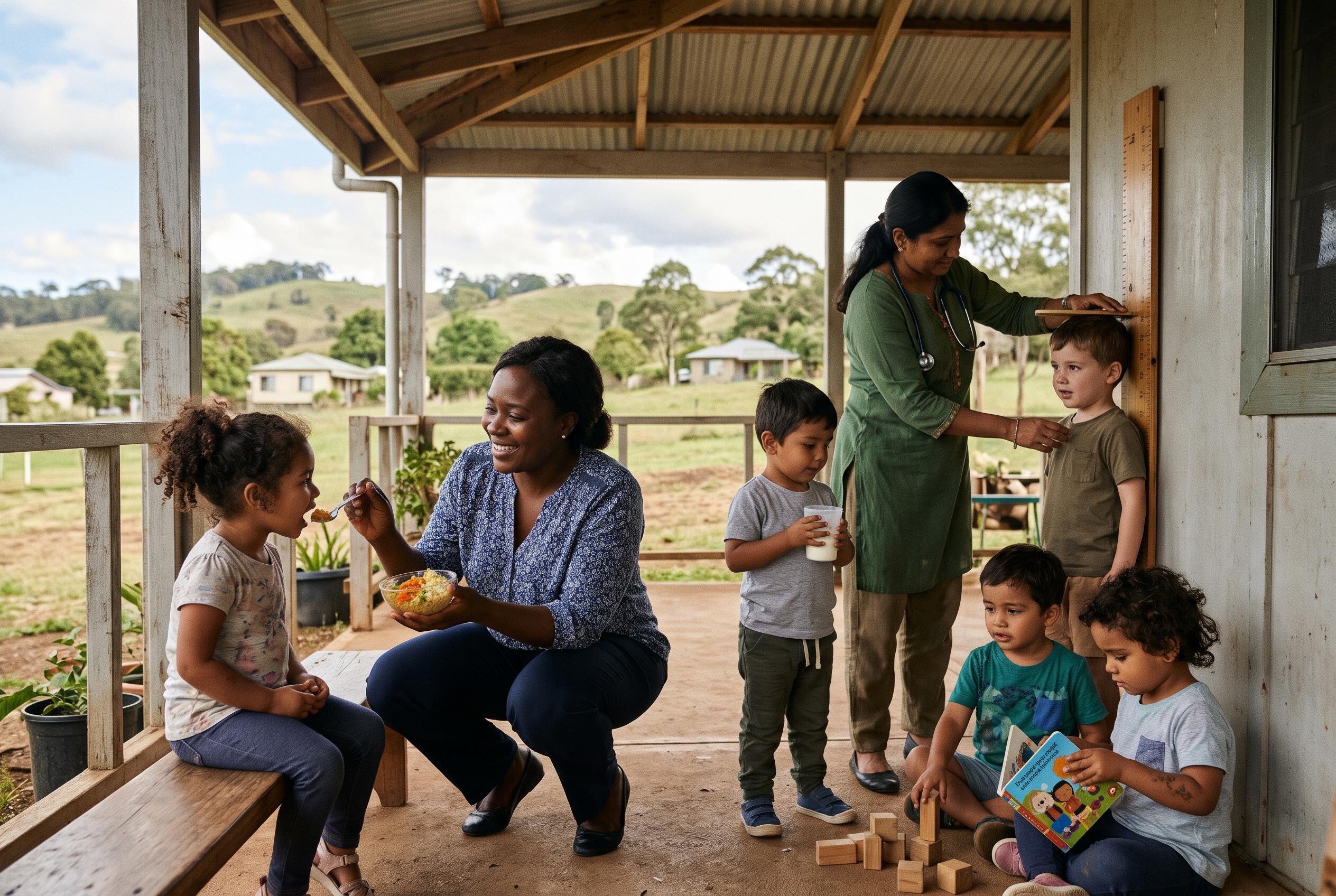

Nutrition experts say stronger council funding and accountability are needed to protect children during the first 1,000 days, despite progress in reducing stunting and improving dietary diversity.
An estimated 214,931 children under five in Cross River State are living with stunted growth, a nutrition specialist has warned, as local leaders were urged to make child nutrition a budget priority. Ada Ezeogu said the first 1,000 days of life, from pregnancy through a child’s second birthday, are the most important window for preventing malnutrition and its long-term effects.
Ezeogu made the remarks at a two-day training in Calabar organised by UNICEF and the Cross River State Planning Commission for local government nutrition committees from nine councils, as part of a project funded by Latter-day Saints Charities. She said progress against malnutrition depends on more than food alone, pointing to the need for better childcare practices and healthier living conditions as well as adequate feeding for pregnant women and young children.
At the same event, David Okelue Ugwunta, an independent consultant on public finance for children, pressed councils to ensure that nutrition allocations are not only approved but also released and spent on the intended programmes. He said council financing could come from federal allocations, internally generated revenue, state transfers and development partners, but argued that spending would remain vulnerable unless nutrition had clear budget lines and stronger accountability. Ugwunta added that providing deworming drugs and iron and folic acid supplements for pregnant women during one round of Maternal, Newborn and Child Health Week across the nine councils would cost about N114.8 million, while two rounds a year would require N229.7 million.
UNICEF nutrition specialist Ngozi Onuora said Cross River was one of five states chosen for the project, with nine local government areas taking part in the pilot phase. Onuora said the state had reduced stunting from 23 per cent in 2018 to 21 per cent in 2024, while minimum dietary diversity among children rose from 23 per cent to 51 per cent over the same period. Even so, she said about one in five children remained stunted and nearly 80 per cent of infants aged zero to six months were not exclusively breastfed. UNICEF, she said, wants to cut stunting to below 10 per cent through better breastfeeding, improved complementary feeding, household and community gardens, and small livestock production. She also urged the state to contribute to UNICEF’s Child Nutrition Fund, which matches state money to support supplements for pregnant women and children, and therapeutic food for children with severe acute malnutrition.
The local government side signalled support for the effort. Chief Chris Agbeh, the Cross River chairman of the Association of Local Governments of Nigeria, represented by Chief Alex Atem, said councils would fold nutrition into their development plans, create dedicated budget lines, back counterpart funding and step up awareness campaigns in the wards. The vice chairmen of the nine participating councils also agreed to work with the Joint Account Allocation Committee to lift monthly support for nutrition programmes, while participants from health, agriculture, water and sanitation, planning, finance and social mobilisation departments took part in the training.
Disclaimer: This content is for informational purposes only and is not intended to be a substitute for professional medical judgment, advice, diagnosis, or treatment.