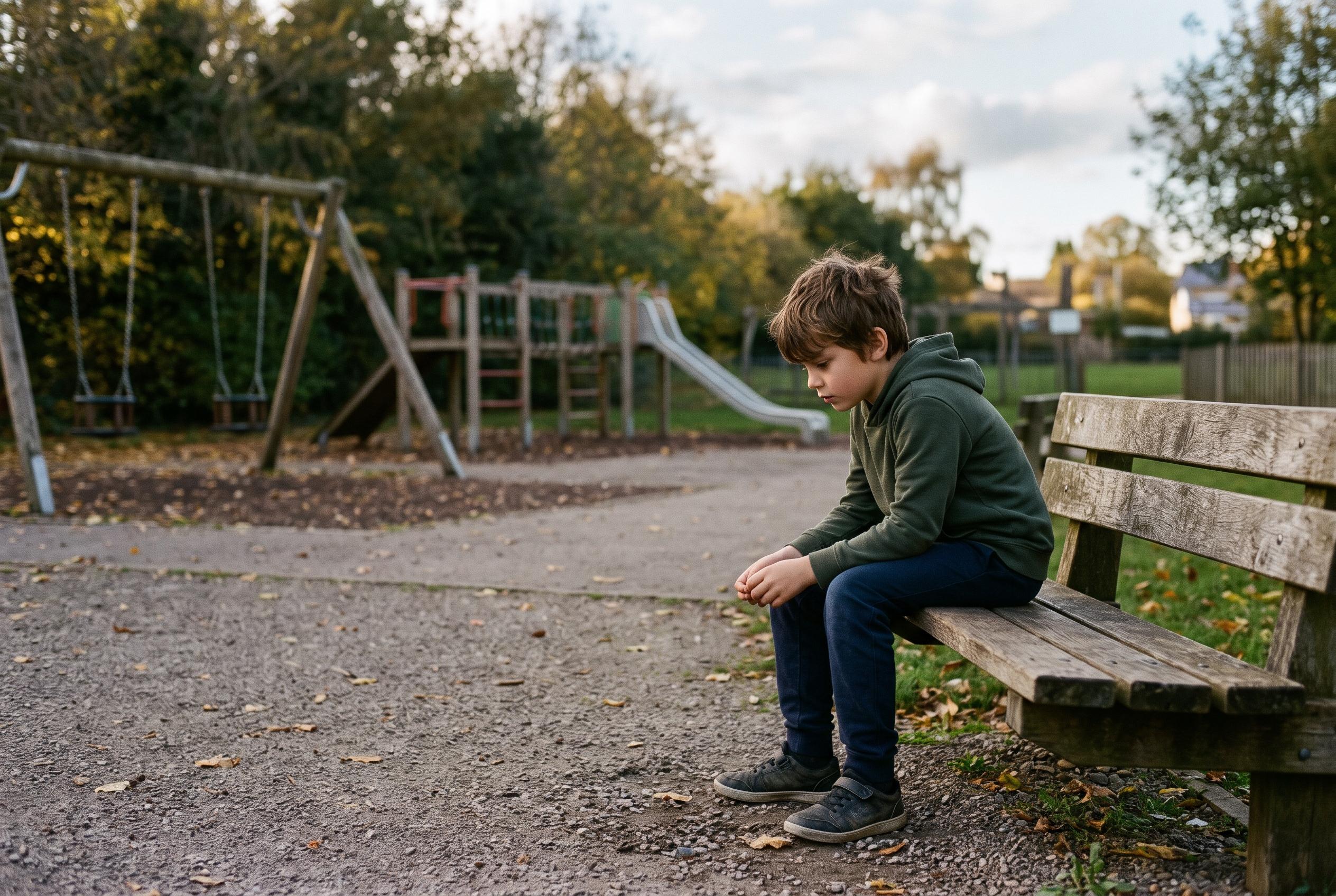

Experts say parents should look beyond ordinary nerves for anxiety that disrupts sleep, school, friendships or everyday activities , and seek advice before symptoms become severe.
Childhood anxiety is often easier to spot now than it was a generation ago, partly because parents are more alert to the signs and more willing to talk about mental health. Dr Scott Moseman, a child and adolescent psychiatrist at Laureate Psychiatric Clinic and Hospital, said anxiety is the most common mental health disorder seen across the lifespan, and that family traits can play a role as well. He also urged parents to remember that some anxiety is normal and even useful, helping children prepare, care about others and keep to routines.
The challenge, he said, is recognising when worry crosses the line from manageable to disruptive. Anxiety becomes a problem when it starts to interfere with a child’s ability to sleep, eat, go to school, play, make friends or generally move through everyday life. That distinction matters because a child who is merely nervous before a test is very different from one who is no longer functioning well day to day.
Signs that may warrant attention include panic attacks, sleep problems, appetite changes, falling grades, withdrawal from friends, refusing to attend school or giving up activities they once enjoyed. That warning signs can show up in behaviour as well as mood is consistent with broader guidance from paediatric experts, who note that anxiety among young people has risen and can be linked to pressure to achieve and other modern stresses. Research from the American Academy of Pediatrics also points to treatment options that can help when anxiety becomes persistent.
Moseman said parents should not wait for symptoms to become severe before seeking advice. A therapist or doctor can help decide whether a child’s worries are developmentally typical or part of an anxiety disorder that needs care. He added that treatment does not always mean medication; therapy is often the first step, and in more serious cases medicine can be used alongside counselling.
Screen time and social media can complicate the picture. The US Surgeon General has said up to 95% of people aged 13 to 17 use social media, and while online platforms can intensify comparison and social worry, they can also help isolated young people find connection. Moseman said the key is moderation and supervision, with parents paying attention to whether digital habits are affecting sleep, attention or other daily needs.
For families hesitant to seek help, Moseman’s message was simple: anxiety is not weakness. He argued that treatment is about balance, not blame, and that untreated anxiety can carry its own costs. The goal, he said, is to help children manage worry well enough that it does not narrow their lives or steal opportunities to grow.
Disclaimer: This content is for informational purposes only and is not intended to be a substitute for professional medical judgment, advice, diagnosis, or treatment.