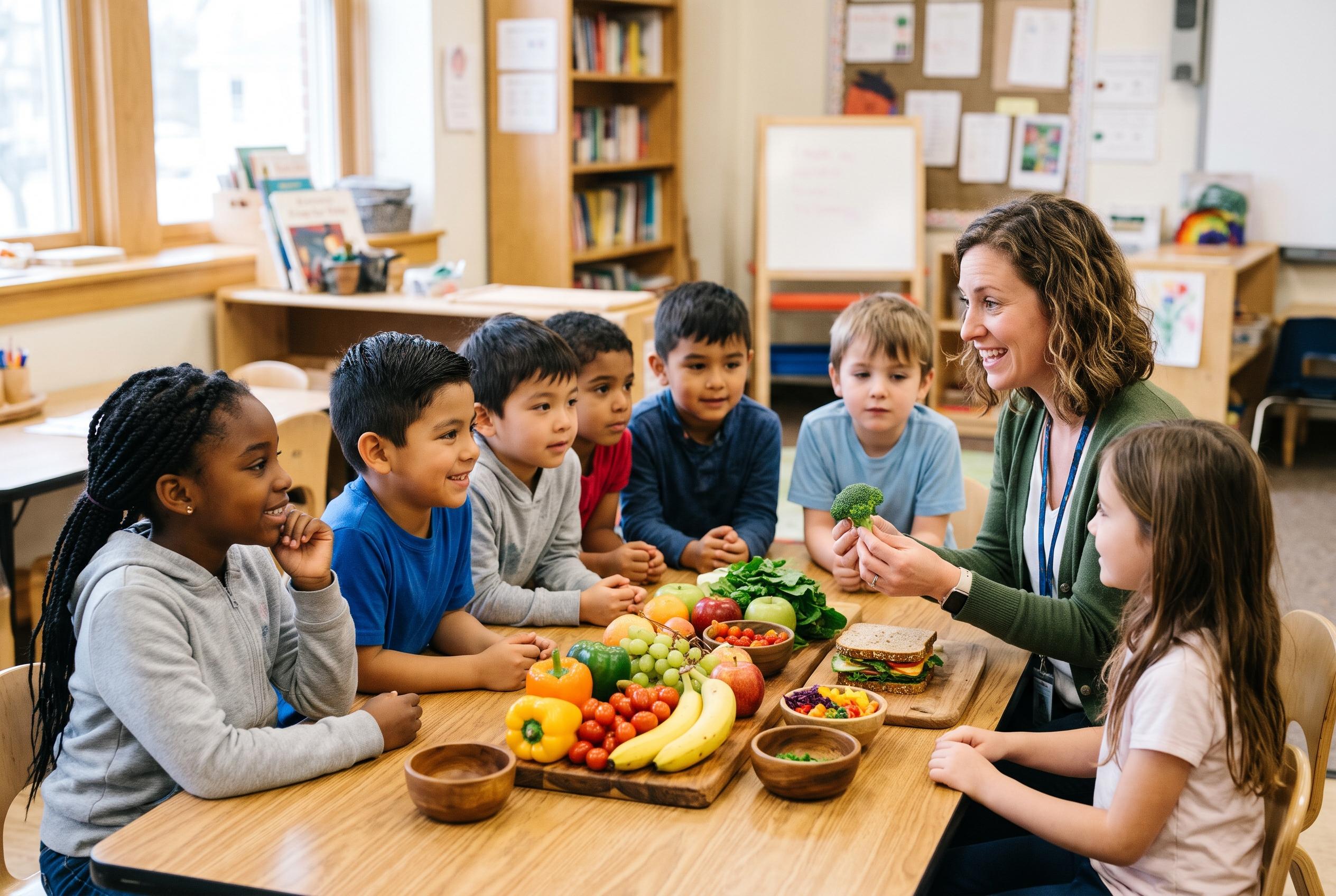

The National Nutrition Agency says pupils should learn how carbohydrates, protein, vitamins and minerals support health alongside receiving meals through the government programme.
Indonesia’s National Nutrition Agency is pushing for the Free Nutritious Meal programme to become more than a school feeding scheme, with its head, Sudaryono, proposing that nutrition education be folded into the school curriculum. The idea is to use the programme not only to provide meals, but also to teach children why balanced eating matters for long-term health.
In comments shared through his Instagram account on Tuesday, Sudaryono said nutrition lessons could sit alongside existing subjects in much the same way as physical education and health classes. He argued that pupils should learn not only that they are eating, but also what different foods do for the body.
The proposal would cover basic nutritional concepts such as carbohydrates, protein, fibre, vitamins and minerals. Sudaryono said students should be taught why carbohydrates matter, why vegetables are important sources of vitamins and minerals, and how protein supports growth and development. He added that the absence of a dedicated forum for children to learn about nutrition was one reason the subject should be brought into formal schooling.
The approach fits with the agency’s wider effort to frame the Free Nutritious Meal programme as both a welfare and education policy. Earlier this year, the agency said the scheme was designed to build healthy habits from an early age, and it has also stressed that the programme reaches a broad range of priority groups, including pupils at different education levels as well as pregnant and breastfeeding women and young children.
Disclaimer: This content is for informational purposes only and is not intended to be a substitute for professional medical judgment, advice, diagnosis, or treatment.