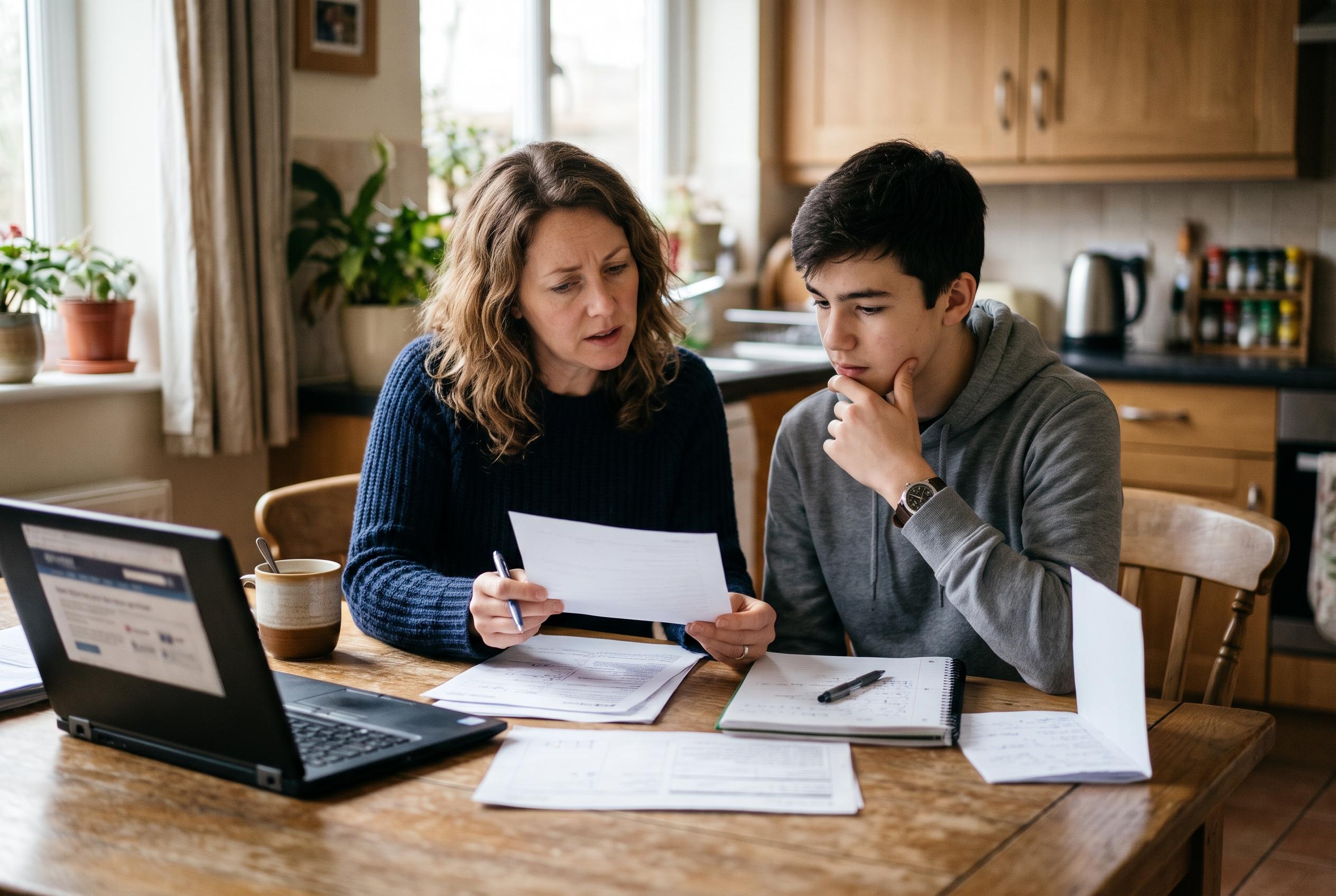

From staff ratios and emergency plans to ethical projects and hidden costs, parents should scrutinise overseas volunteering programmes before their teenager signs up.
When a teenager asks to volunteer overseas, many parents feel a mix of pride and apprehension. The idea can be exciting: a chance for a young person to see the world, learn independence and contribute to a community effort. It can also feel daunting, because a good experience depends on far more than enthusiasm alone. The strongest programmes are those that combine real supervision, realistic expectations and clear safeguards for young travellers.
Readiness matters more than age alone. A 16-year-old may be capable of managing money, medication and daily routines in a structured setting, while an older teenager may still struggle with homesickness or impulsive decisions. Parents should look beyond the appeal of photographs and ask whether their child can follow rules without constant oversight, cope with discomfort and show genuine interest in other cultures rather than simply chasing a social media story. If there is doubt, a shorter, closely supervised group trip is usually the safer first step.
Safety should be the central test when choosing any teen volunteer placement. According to teen-focused programme providers, parents ought to look for experienced adult leaders, a clear staff-to-student ratio, strict boundaries around curfews and free time, screened accommodation and a local contact who is available at all hours. A written emergency plan should set out where the nearest hospital is, how parents will be contacted and what insurance is in place for travel and medical needs. Good organisations are usually willing to explain these details in plain language and provide a sample itinerary before a family commits.
The kind of work matters as much as the level of supervision. Teenagers generally benefit most from projects where they can help under guidance without requiring specialist training, such as classroom support, environmental clean-ups or supervised community work. By contrast, programmes that place young volunteers in medically sensitive roles or promote short visits to orphanages should prompt caution. Ethical volunteering guidance also stresses that families should think carefully about whether a placement is genuinely useful and whether the teen’s time, skills and maturity are being matched to the project in a responsible way.
Preparation begins well before departure. Families can use the months leading up to travel to build cultural awareness, review the country’s customs and current issues, arrange any recommended vaccinations and medicines, and pack clothing that is respectful and practical. It is also wise to agree a communication routine in advance, rather than leaving expectations vague. A weekly call may be healthier than constant messaging, and it gives teenagers more room to adjust to the realities of life abroad. Parents should also talk honestly about culture shock, because a difficult first few days are often part of the process rather than a sign that the trip is failing.
The financial side deserves careful scrutiny as well. Programme fees can vary widely, and the headline price rarely tells the full story. Families should check whether accommodation, meals, local transport, supervision and materials are included, and whether flights, visas, vaccines and insurance are extra. Some organisations also encourage families to ask why fees are charged and how funds are allocated, which can help distinguish a well-run programme from a vague or poorly structured one. In some cases, teenagers may contribute through part-time work or fundraising, which can increase commitment, but any fundraising should be transparent about what supports the programme and what goes directly to the project.
What often surprises parents most is what happens after the trip. Returning home can be harder than leaving, particularly if a teenager feels that friends do not fully understand the experience. Encouraging a young person to write about the journey, speak at school or stay involved in a thoughtful way can help turn a short trip into longer-lasting growth. Done well, overseas volunteering can foster independence, patience and a stronger sense of responsibility. The best outcomes usually come not from grand promises, but from careful planning, honest expectations and a programme that treats young people’s safety and development as equally important.
Disclaimer: This content is for informational purposes only and is not intended to be a substitute for professional medical judgment, advice, diagnosis, or treatment.