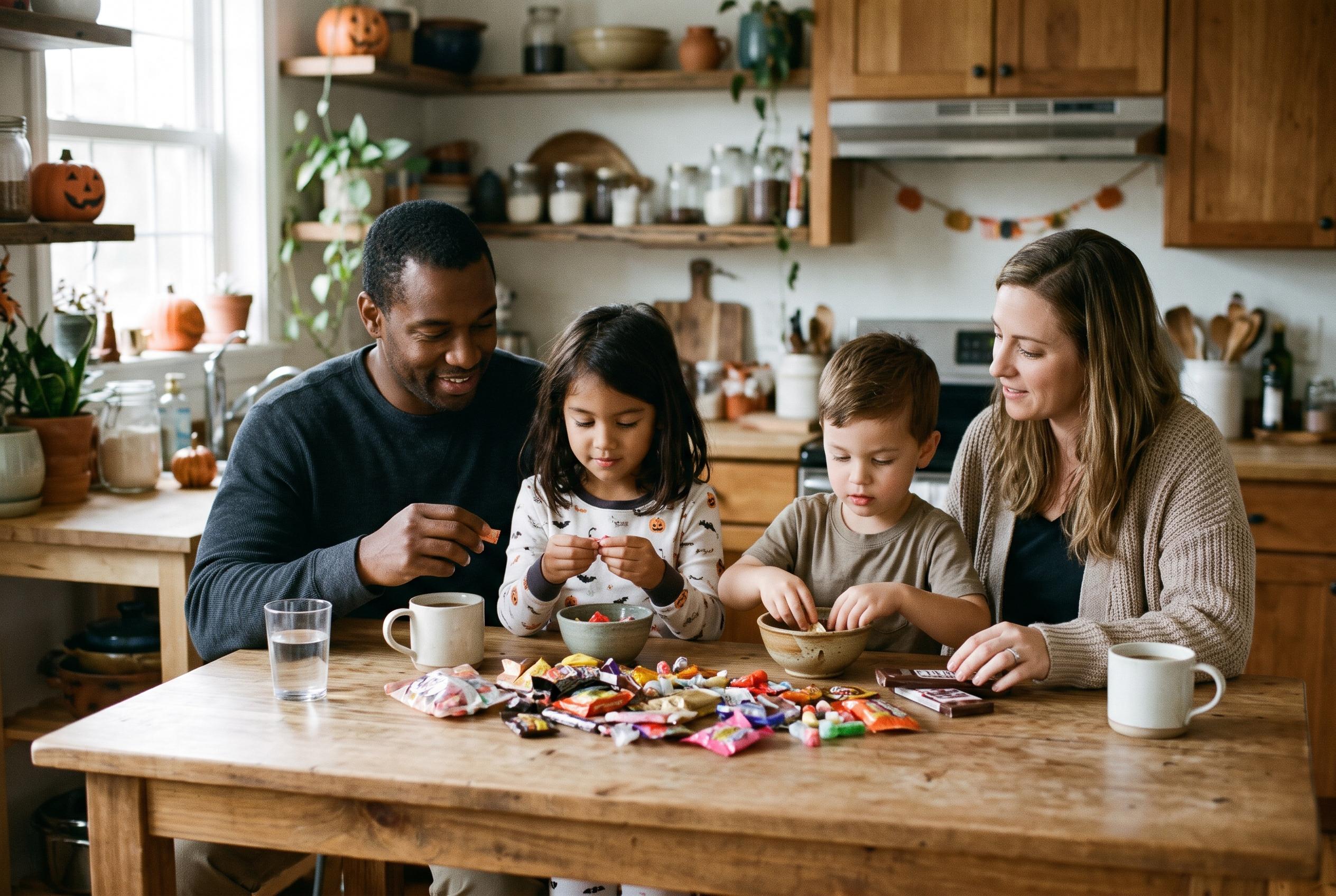

Dietitians and paediatric guidance suggest that routine, safety and a neutral attitude to sweets can help families enjoy Halloween without shame or unnecessary restrictions.
Halloween can be a joyful night for children, but for many parents the candy haul brings a familiar mix of excitement and anxiety. Sarah Remmer, a registered dietitian and mother of three, argues that there is no single correct way to handle the sweets, and that the calmer approach is usually the more sustainable one. Her advice is to keep the focus on routine, safety and neutrality, rather than turning candy into a battle. That perspective is echoed by paediatric and nutrition guidance from hospitals and universities that advise families to plan ahead, set boundaries and keep Halloween in proportion.
Part of what makes the holiday tricky is that parents often bring their own childhood experiences to the table. Some grew up with strict rules around sweets, while others remember candy being treated as forbidden, which can make it harder to respond with balance. Remmer says it helps to notice those feelings without passing them on to children. A neutral tone, she argues, teaches kids that treats are simply another kind of food, not something to hide, earn or fear. That same principle appears in health guidance from Texas Health, which recommends clear expectations and a steady routine rather than reactive restrictions.
The science on sugar and behaviour is more nuanced than popular myth suggests. Remmer notes that research has not shown sugar to be the simple cause of hyperactivity that many parents once assumed, even if a child may seem extra wound up after an evening of costumes, friends and a later bedtime. The bigger issue, she says, is not one or two chocolates, but how adults frame food and whether children are taught to feel guilty about enjoying it. Nutrition experts at Virginia Tech and Children’s Health likewise stress moderation, regular meals and an overall balanced pattern rather than panic over one holiday.
For children with attention difficulties or sensory sensitivities, Halloween can be overwhelming for reasons that go well beyond candy. Loud streets, scratchy costumes, crowded doorsteps and changes in routine can all make the evening harder to manage. Remmer suggests previewing the plan, choosing a comfortable costume and building in a quiet exit if a child needs a break. That kind of preparation, along with predictable meals and snacks, can make the holiday feel more manageable for children who struggle with transitions. It also helps parents avoid the trap of treating the candy itself as the only issue.
Before trick-or-treating, Remmer recommends keeping the day as ordinary as possible. Families can eat supper at their usual time or earlier if that fits their schedule, but there is no need to engineer a large meal in hopes of preventing candy later. Health guidance from Children’s Health and Hillcrest HealthCare System makes the same point: a normal routine works better than trying to compensate for the holiday with a special eating plan. If a child is too excited to eat much, parents can simply offer food and allow appetite to settle later.
Once the treats come home, safety should come first. Guidance from Weill Cornell Medicine, Health Canada and Ascension all advises parents to inspect candy before it is eaten, discard anything unwrapped or tampered with, and pay close attention to allergens. Health authorities also warn against giving small, hard or chewy sweets to very young children because of choking risks. Remmer adds that the most useful conversation is a simple one: name the food plainly, sort the stash together and let children explore their haul without pressure to taste everything.
What happens after Halloween matters just as much as the night itself. Remmer suggests returning quickly to the family’s normal rhythm of breakfast, lunch, dinner and snacks, rather than turning the candy into a reward, a punishment or a moral issue. She also adjusts expectations by age. Younger children need more adult supervision, school-age children benefit from structure and reassurance, and older children and teens are usually ready for more autonomy. That approach aligns with broader nutrition advice from Virginia Tech and Texas Health, which encourage parents to set sensible limits while allowing children to learn from real experience.
For parents worried that their child has eaten too much, Remmer’s advice is to stay calm. A child who feels unwell can be offered rest and comfort, but not a lecture. If Halloween candy becomes a larger pattern of concern, the answer is usually not tighter control for one night, but a steadier long-term approach to food and routine. In the end, the goal is not a flawless Halloween, but one in which children enjoy the fun, remember the costumes and neighbours, and learn that sweets can fit into family life without shame or secrecy.
Disclaimer: This content is for informational purposes only and is not intended to be a substitute for professional medical judgment, advice, diagnosis, or treatment.