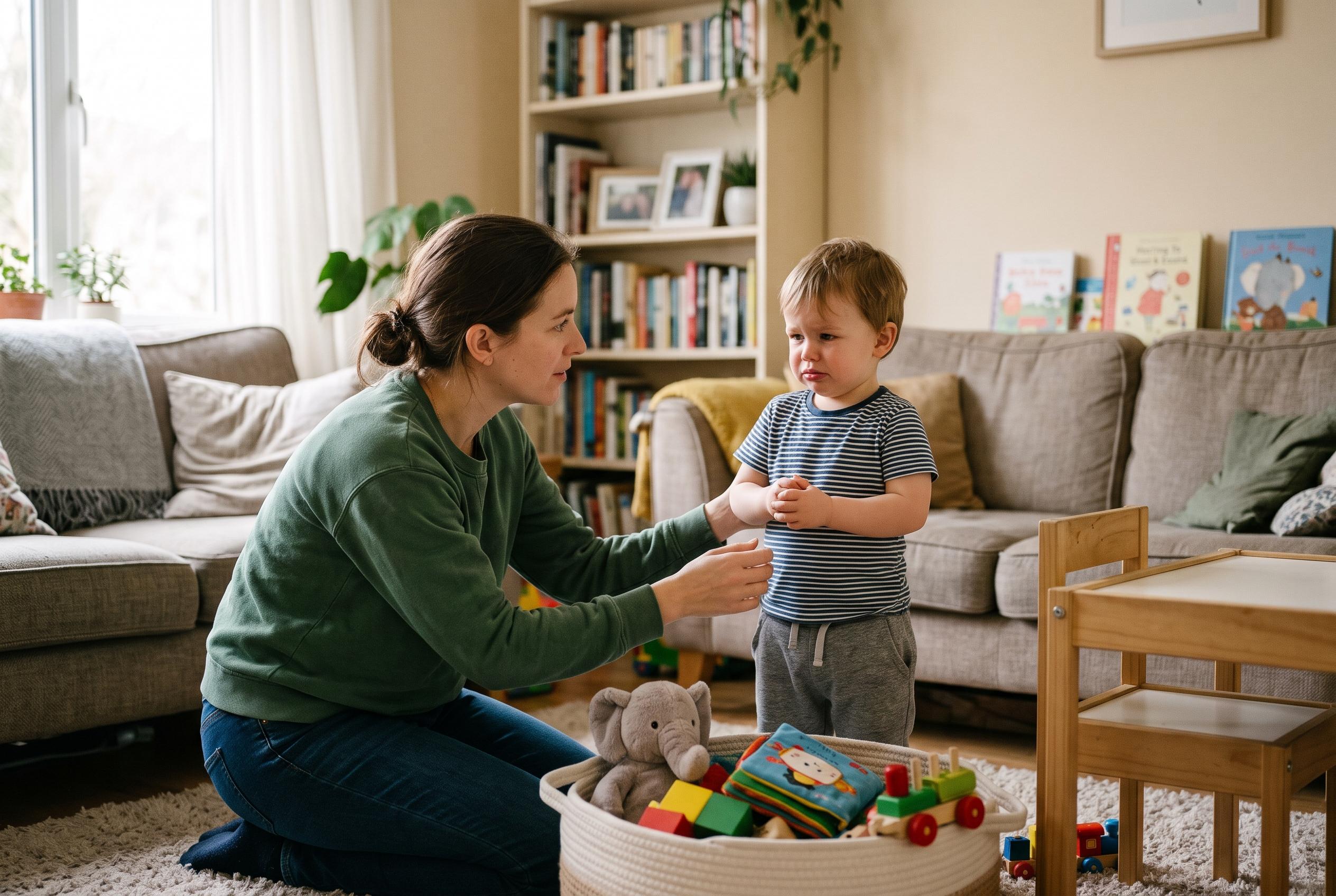

Young children’s outbursts are usually driven by overwhelming emotions rather than deliberate defiance. Experts explain how parents can spot the warning signs, respond calmly and know when to seek help.
Tantrums are a normal part of early childhood and, for many parents, one of the most difficult behaviours to manage in public. Children under five are especially prone to these emotional outbursts because their nervous systems are still developing and they often feel more than they can yet explain. As clinical psychologist Annia Raja explained in the source article, a child may reach a point where emotions outpace the ability to speak calmly or settle down, which is why the reaction can look so sudden and intense. Johns Hopkins Medicine and the Mayo Clinic both describe tantrums as a typical stage of childhood development, not a sign that a child is behaving badly.
The most common triggers are ordinary pressures that feel huge to a young child: hunger, tiredness, frustration, overstimulation and feeling overwhelmed. Elizabeth Harstad of Boston Children’s Hospital said that tantrums often stem from the gap between a child’s wish to act independently and their limited ability to communicate what they want. The Cleveland Clinic notes that tantrums can include crying, yelling, kicking and whining, while Dartmouth Health Children’s adds that attention-seeking can also play a role. Taken together, these sources suggest that many episodes are less about defiance than about a child struggling to cope with a demand, a transition or a discomfort they cannot name.
Parents are often able to spot warning signs before a tantrum fully erupts. These can include frowning, clenching fists, raising the voice, becoming clingy, complaining of hunger or fatigue, or shutting out instructions by covering the ears or squinting in frustration. Practical prevention steps recommended across paediatric sources include reducing stimulation, offering water or a snack, and lowering expectations in the moment. Johns Hopkins Medicine advises keeping routines predictable, while the Mayo Clinic recommends planning ahead to avoid common triggers. Both also stress that giving children limited, age-appropriate choices can reduce the feeling of helplessness that often fuels an outburst.
How adults respond can shape how quickly the child recovers. The article advises parents to remain calm, because children often borrow emotional cues from the adults around them; that idea is also echoed by Cleveland Clinic, which recommends not feeding the tantrum by panicking or giving in. Instead, caregivers can acknowledge the child’s feeling, use a brief diversion when appropriate and keep boundaries clear only when safety is at stake. Offering a simple choice, such as whether a child wants to walk or be carried, can restore a sense of control without surrendering the adult’s role. Positive behaviour should also be noticed and praised, since children tend to repeat conduct that earns warm attention.
Once the child has calmed, the focus should shift from stopping the outburst to repairing the relationship. A hug, a gentler tone or a short conversation can help the child feel secure again, and the source article notes that a parent who lost patience can strengthen trust by apologising afterwards. If tantrums are unusually frequent, especially intense, potentially dangerous or continuing well beyond the usual developmental window, experts advise seeking help from a paediatrician or child psychologist. That is consistent with broader guidance from major children’s health providers, which treat persistent or severe tantrums as a reason to look more closely at sleep, stress, communication and emotional development.
Disclaimer: This content is for informational purposes only and is not intended to be a substitute for professional medical judgment, advice, diagnosis, or treatment.