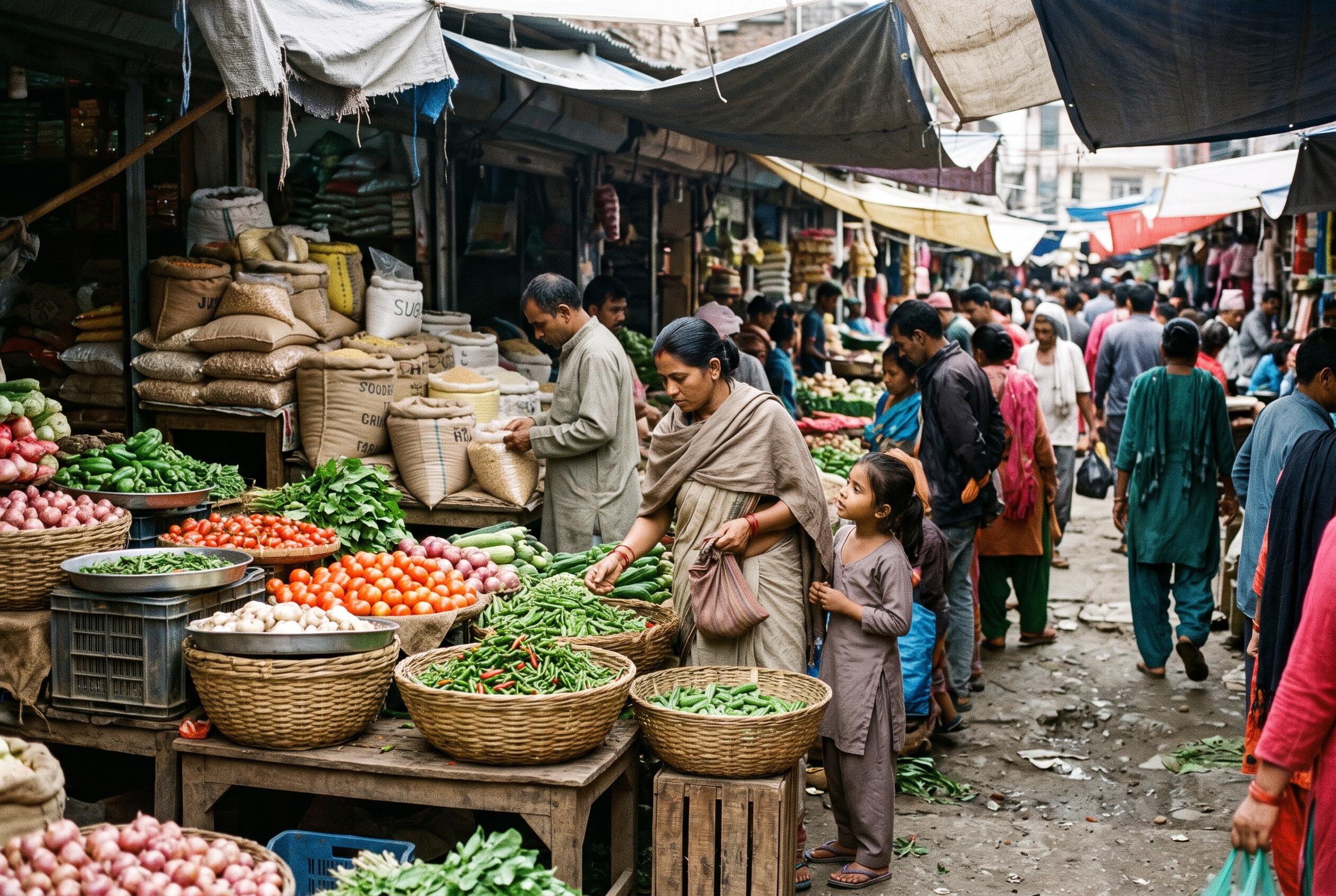

Vegetables, fruit and pulses remain in short supply while cereals and sugar exceed recommended levels, leaving more than 60% of Pakistanis unable to afford a healthy diet.
Pakistan’s food supply remains out of step with the country’s own dietary guidance, according to a Food and Agriculture Organisation policy brief that says vegetables, fruits, roots, tubers and pulses are in short supply, while cereals and sugar remain available in quantities above recommended levels.
The FAO said the imbalance matters because more than 60% of Pakistanis cannot afford a healthy diet. That affordability problem, the agency said, is feeding a twin burden of malnutrition: undernutrition persists even as diet-related non-communicable diseases are climbing. The briefing argues that healthy eating campaigns will have limited impact unless nutritious food is actually available and accessible to households.
Pakistan adopted food-based dietary guidelines in 2018, setting out evidence-based advice on the kinds and amounts of food needed for a healthy diet. The FAO assessment compared annual food supply with population-level requirements across 10 food groups between 2010 and 2023, and found persistent and in some cases widening gaps in the most nutrient-rich categories.
The shortages were especially pronounced in vegetables and fruit. According to the brief, the estimated vegetable gap widened from 2010 to 2023, while the shortfall in fruit also grew over the same period. The agency said the country’s population rose from 189.3 million in 2010 to 235.2 million in 2023, and is projected to reach about 330 million by 2050, adding further strain to an agrifood system already under pressure from climate change and other challenges.
There were some signs of improvement. The FAO said milk, dairy products, meat and eggs moved closer to recommended levels, while fats and oils shifted from a small deficit in 2010 to roughly the required range in later years. But the overall pattern, the report said, still points to a food system skewed towards energy-dense staples rather than a varied diet that can support better health.
To correct that imbalance, the FAO urged Pakistan to combine fiscal and regulatory measures with a broader shift in agricultural priorities. Among its recommendations were updated dietary guidelines that reflect nutrition, health and environmental concerns, stronger nutrition education, tax measures on sugary drinks and foods high in salt and unhealthy fats, and front-of-pack labels to help consumers make quicker choices. The agency also called for more investment in vegetables, fruit, pulses, roots and tubers, along with steps to reduce post-harvest losses, cut food waste and encourage processors to reformulate products with less salt, sugar and unhealthy fat.
Disclaimer: This content is for informational purposes only and is not intended to be a substitute for professional medical judgment, advice, diagnosis, or treatment.