

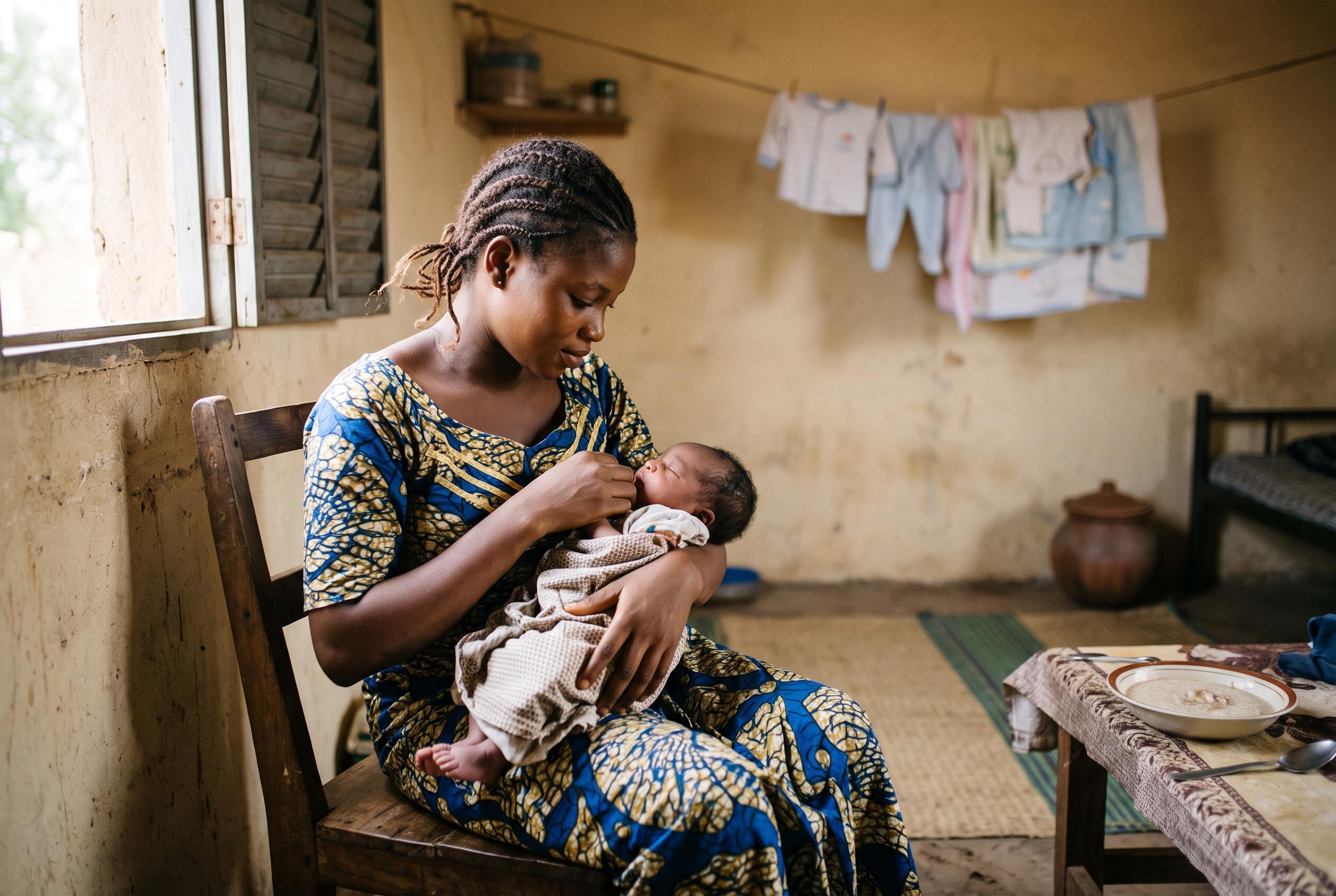

Dr Mamadou Traoré says nutrition, care and stimulation from conception to a child’s second birthday can shape development and reduce the risk of chronic disease across generations.
The first 1,000 days of life, from conception to a child’s second birthday, are widely seen by paediatricians and public health experts as a decisive period for shaping health later in life. In Bamako, Dr Mamadou Traoré, a paediatrician at the Mali district referral health centre, said that what happens during pregnancy and the child’s earliest months can influence not only immediate growth but also adult health decades later. AMAP reported that the specialist sees this period as a rare chance to act early on physical, cognitive and motor development, as well as on preventable risks that can linger into adulthood.
Traoré said the mother’s health during pregnancy is central, particularly across the roughly 280 days before birth. Nutrition, rest, medical follow-up and a stable home environment all matter, he said, while stress, domestic violence and poor diet can undermine both maternal well-being and the baby’s development. That view is consistent with guidance from UNICEF and American paediatric experts, who describe the first 1,000 days as a period when nutrition, care and stimulation have an outsized effect on brain development, learning and long-term health. Scientific reviews also note that early intervention in this window can benefit both individuals and societies.
The paediatrician divided early life into distinct phases. During pregnancy, he said, organ formation in the first trimester is especially sensitive to illness or other complications affecting the mother, while the later months are marked by rapid growth. After birth, he urged mothers to begin breastfeeding within the first hour and to rely exclusively on breast milk for the first six months, before introducing complementary foods gradually between six and 24 months. The American Academy of Pediatrics says the brain forms more than one million new neural connections every second during this stage, underlining why nutrition and early care are so closely tied to development.
Traoré also stressed the wider role of family and community support. He said a girl’s nutrition before pregnancy can matter just as much as care during pregnancy, and that folic acid before conception may help reduce the risk of some neurological problems and birth defects. He linked poor nutrition early in life to a cycle that can stretch across generations, raising the risk of chronic diseases such as diabetes, high blood pressure and obesity later on. He added that stimulation matters too, saying interaction begins before birth and contributes to brain growth. The underlying message, echoed in international child health research, is straightforward: protecting mothers and infants in the first 1,000 days can shape the health of the next generation.
Disclaimer: This content is for informational purposes only and is not intended to be a substitute for professional medical judgment, advice, diagnosis, or treatment.



